Hey eco-travelers and sustainability enthusiasts! If you’ve ever dreamed of a truly green getaway, I’ve got some incredibly exciting news for you about Thailand.
This vibrant nation, famous for its breathtaking beaches and bustling markets, is quietly but powerfully transforming into a leader in eco-friendly tourism and sustainable living.
From personally witnessing the shift away from single-use plastics to the rapid embrace of renewable energy, it feels like Thailand is writing a new chapter where economic growth and environmental preservation go hand-in-hand.
We’re talking about ambitious new policies and real-world changes that are setting a global example for conscious travel and a greener future. Ready to uncover the incredible progress and what it means for your next adventure?
Let’s dive deeper and find out exactly what makes Thailand a rising star in sustainability!
Powering Up Green: Thailand’s Renewable Energy Revolution

Okay, so let’s talk about something truly groundbreaking: Thailand’s incredible leap into renewable energy. I mean, it’s not just talk; you can really feel the shift in the air, figuratively and literally! The government here is seriously committed to a greener future, setting ambitious targets to generate more than half of its electricity from clean sources by 2037. That’s a massive jump, and it fills me with so much hope to see a nation so focused on reducing its reliance on fossil fuels. Imagine cruising through the Thai countryside, knowing the energy powering your journey is coming from the sun or the wind! It’s a really impactful feeling, seeing these changes happen right before your eyes. You know, just a few years ago, the thought of widespread solar farms seemed like a distant dream, but now they are very much a reality, like the impressive floating hydro-solar farm in Ubon Ratchathani. This isn’t just about electricity; it’s about reshaping the entire energy landscape and proving that economic growth doesn’t have to come at nature’s expense. It feels like Thailand is truly investing in a future that benefits everyone, from local communities to the global climate.
The Push for Solar and Wind: Harnessing Nature’s Power
Walking through parts of Thailand now, you can’t help but notice the increasing presence of solar panels, from rooftops in bustling cities to vast fields soaking up the abundant sunshine. It’s truly inspiring! The country has recognized the immense potential of solar power and is actively working to significantly boost its capacity over the coming years. And it’s not just solar; wind power, though a smaller player, is also getting its fair share of attention, contributing to that diverse mix of clean energy sources. What I find particularly fascinating is how they’re integrating these technologies, like the floating solar farms that generate power by day and then leverage hydropower by night, creating a truly ingenious system. It’s a smart move that really maximizes their natural resources. Honestly, seeing these initiatives in action makes me feel like the future of energy is being built right here, right now.
Biomass and Beyond: Diverse Green Sources
Beyond the more commonly discussed solar and wind, Thailand is also cleverly tapping into other renewable resources like biomass and biogas. It makes so much sense, especially in an agricultural nation, to utilize waste products for energy. This approach not only provides clean power but also addresses waste management issues simultaneously – a real win-win in my book! I’ve learned that these diverse sources are crucial for a stable and resilient energy grid, ensuring that the country isn’t overly dependent on one single technology. The commitment to these varied green sources really underscores Thailand’s holistic approach to sustainability. It’s not just about flashy new tech; it’s about smart, integrated solutions that fit the unique needs and resources of the country. It gives me a sense of confidence that this transition is well-thought-out and built for the long haul.
Protecting Paradise: Diving Deep into Marine Conservation
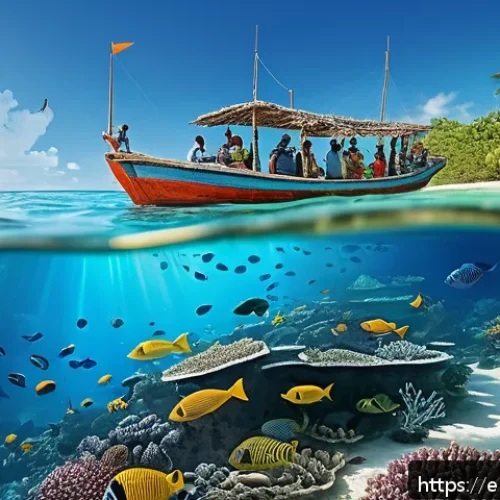
If you’ve ever had the chance to dive into Thailand’s crystal-clear waters, you know exactly why marine conservation here is so vital. Those vibrant coral reefs and the incredible array of marine life? They’re simply breathtaking, and honestly, they’re a huge part of Thailand’s soul. So, it brings me immense joy to see the dedicated efforts being made to protect these underwater treasures. From what I’ve witnessed firsthand and heard from local conservationists, there’s a real passion for safeguarding these fragile ecosystems. Remember the temporary closure of Maya Bay? That was a bold move, but absolutely necessary, allowing the ecosystem a much-needed break to regenerate. It was a clear signal that Thailand is serious about responsible stewardship, even if it means short-term sacrifices for long-term health. It makes me feel a deep respect for their commitment to preservation.
Saving Coral Reefs, One Fragment at a Time
One of the most inspiring things I’ve encountered are the coral reef restoration projects, particularly around islands like Koh Tao. It’s not just about passive protection; it’s active restoration! Volunteers and marine biologists are literally planting and nurturing coral fragments, building artificial reefs to provide new habitats and support the recovery of damaged areas. I’ve had friends participate in these programs, and they describe it as incredibly rewarding work, seeing the direct impact of their efforts. It’s a painstaking process, but absolutely essential for the survival of these underwater cities. They also work tirelessly to remove debris and invasive species, maintaining the delicate balance of these vital ecosystems. It truly showcases a hands-on, dedicated approach that makes a tangible difference, something I personally find incredibly motivating.
Safeguarding Gentle Giants and Coastal Wonders
Beyond the corals, there’s a strong focus on protecting the incredible diversity of marine life, including the majestic whale sharks. Organizations are contributing to photo ID databases, helping track and safeguard these gentle giants in Thai waters. But conservation efforts aren’t confined to the deep blue. The mangrove forests along Thailand’s coasts are absolutely crucial for a healthy marine environment, serving as nurseries for countless species and natural barriers against coastal erosion. Sadly, many have been lost to development, but thankfully, there are ongoing reforestation projects to bring them back. It’s a comprehensive approach, recognizing that the health of the ocean is intrinsically linked to the health of its surrounding coastlines. This interconnectedness is something I’ve really come to appreciate, seeing how every piece of the puzzle contributes to the bigger picture of a thriving natural world.
From Waste to Wonder: Embracing a Circular Economy
Honestly, when I first started traveling to Thailand years ago, the plastic waste was sometimes heartbreaking to see. So, witnessing the country’s strong push towards a circular economy has been nothing short of amazing! It’s a fundamental shift from that old “take-make-dispose” mentality, moving instead towards reusing, repairing, and recycling existing materials for as long as possible. This isn’t just a trend; it’s a deep-seated commitment to managing resources wisely and minimizing environmental impact. I’ve seen noticeable changes in how businesses operate and how locals are becoming more aware. It feels like a collective awakening, where everyone is recognizing their role in creating a more sustainable future. This ambitious roadmap includes targets for recycling plastic waste by 2030, which, to me, shows genuine dedication. It’s exciting to see a country of this scale truly embracing such transformative principles.
Tackling Plastic Pollution Head-On
One of the most visible changes I’ve observed is the serious effort to curb single-use plastics. While you might still see some, especially in more rural markets, there’s a clear move away from thin plastic bags and foam containers in many urban areas and larger stores. I’ve found myself bringing my reusable bags and water bottles more consistently, and it feels like a natural part of being here now. Many places encourage it, which is fantastic! The government even planned to ban the import of plastic debris and has restricted the use of certain types of single-use plastics since 2020. These steps, although challenging to implement fully across such a diverse nation, are crucial. It’s heartening to see these policies taking root and influencing daily habits, making a real difference in reducing the sheer volume of waste. It’s a slow process, but the momentum is definitely building.
The ‘BCG’ Model: A Holistic Approach
Thailand’s commitment to a circular economy is beautifully integrated into its broader Bio-Circular-Green (BCG) Economy Model. This isn’t just about waste; it’s a holistic strategy for national development that weaves together bioeconomy (using renewable biological resources), circular economy (waste reduction and reuse), and green economy (sustainable growth). It’s an incredibly smart framework, focusing on creating high-value, eco-friendly products and services across sectors like agriculture, food, and energy. When I hear about this, I truly feel like Thailand is thinking big, moving beyond fragmented efforts to create a truly integrated sustainable system. It’s about designing sustainability into the very fabric of the economy, fostering innovation, and generating green jobs. It’s an inspiring vision, and it feels like they’re building a resilient future from the ground up.
Green Journeys: Innovating Sustainable Transportation
Traveling around Thailand is an adventure in itself, and it’s thrilling to see how much focus is now being put on making those journeys greener. I remember the days when emissions from traffic were just a given, especially in bustling Bangkok. But things are really changing! Thailand is making significant strides in promoting eco-friendly transportation options, aiming to reduce the carbon footprint associated with tourism and daily commutes. It’s a challenging but necessary undertaking, given how much transportation contributes to global emissions. I’ve personally started noticing more and more electric vehicles, not just private cars but public transport too, which is a fantastic sign of progress. The push for cleaner mobility is palpable, and it truly makes you feel like your choices, even as a traveler, can contribute to something bigger.
Electric Vehicles Leading the Charge
One of the most exciting developments is the rapid adoption of electric vehicles (EVs). Thailand has set ambitious targets to have a significant percentage of its vehicles as zero-emission vehicles by 2025 and even more by 2030. This isn’t just for private cars; the government is actively supporting the transition of public transport fleets, especially buses, to electric models. Imagine a Bangkok where the iconic buses are all electric, quietly moving through the city! It’s a vision that’s steadily becoming a reality. I’ve heard stories from local friends about the new incentives for EV buyers, which really shows the government’s commitment. It’s a big undertaking, but seeing these electric buses on the road makes me feel genuinely optimistic about cutting down on pollution and creating cleaner air for everyone.
Public Transport: Your Eco-Friendly Ride

Beyond the electric revolution, simply choosing public transportation can make a huge difference. Thailand already has a fairly extensive network of trains, buses, and ferries that offer lower emission rates per passenger compared to private vehicles. I’ve always found traveling by train through the countryside to be an incredibly authentic and scenic way to explore, and now it feels even better knowing I’m making a more sustainable choice. Cities like Bangkok are expanding their metro lines, easing congestion and providing cleaner alternatives. And for long-distance travel, coaches and long-distance buses are also adopting eco-friendly practices. It’s all about making those conscious choices. If you want to explore places like Phuket to Krabi, opting for a bus ride can be a beautiful and environmentally sound way to connect with the landscape. It’s about enjoying the journey responsibly, and Thailand is definitely making that easier for us.
Retreat into Nature: The Rise of Eco-Conscious Accommodations
There’s nothing quite like finding a place to stay that not only offers comfort but also aligns with your values, right? In Thailand, I’ve seen a wonderful blossoming of eco-resorts and sustainable hotels, and it’s truly heartening. It’s no longer just about luxury; it’s about conscious luxury. These places are proof that you can enjoy breathtaking beauty without leaving a heavy footprint. From the serene island of Koh Chang to the lush mountains of Chiang Rai, there are properties designed to blend seamlessly with their natural surroundings, often built with local, renewable materials like bamboo. Staying at one of these eco-lodges, I’ve personally experienced a deeper connection to nature, waking up to the sounds of the jungle or the gentle lapping of waves, knowing that my stay is supporting local communities and preserving the environment. It truly elevates the entire travel experience, making it feel more meaningful and authentic.
Finding Your Sustainable Sanctuary
The selection of truly green resorts in Thailand is growing, and it’s exciting to see the innovation. Places like Soneva Kiri on Koh Kood or Zeavola Resort & Spa in Koh Phi Phi are leading the way, offering luxurious amenities while actively protecting the environment. They often incorporate things like water conservation, renewable energy, and responsible waste management into their operations. It’s more than just a marketing buzzword; many of these accommodations are actively seeking certifications from organizations like EarthCheck or Thailand’s own Green Hotel project, which sets a high standard for environmental, economic, and social responsibility. When I’m booking my next trip, I always look for these credentials now, because it gives me peace of mind knowing I’m choosing a place that genuinely cares. It’s about finding that perfect balance of comfort and conscience, and Thailand is excelling at it.
Beyond the Beach: Ethical Stays Across Thailand
It’s not just the pristine beach destinations that are embracing sustainable stays. I’ve found incredible eco-friendly options nestled in the mountains and even on the outskirts of bustling cities. Resorts like Phu Chaisai Mountain Resort & Spa in Chiang Rai, for instance, are built with local bamboo and offer stunning views, allowing you to immerse yourself in nature’s tranquility. Even in more urban settings, hotels are adopting green practices, making it easier for conscious travelers to find ethical accommodations no matter their itinerary. The “Green Hotel Standard Plus” certification is a great example of how mainstream hotels are stepping up their game. This spread of sustainable practices across various types of accommodation is a powerful indicator of Thailand’s broader commitment to responsible tourism. It ensures that every corner of the country offers opportunities for travelers to contribute positively, making your trip truly impactful.
| Eco-Friendly Travel Tip | What You Can Do |
|---|---|
| Reduce Plastic Use | Carry reusable water bottles, bags, and coffee cups. Say no to single-use plastics. |
| Choose Green Transport | Opt for public transport like buses and trains or electric vehicles. Walk or cycle when possible. |
| Support Local Businesses | Buy local crafts, eat at local eateries, and hire local guides. This boosts the grassroots economy. |
| Stay Sustainably | Book certified eco-lodges or Green Hotels that prioritize environmental practices. |
| Respect Wildlife & Nature | Maintain a safe distance from wildlife, avoid disturbing ecosystems, and participate in ethical animal encounters. |
| Conserve Resources | Be mindful of water and electricity usage in your accommodation. |
Reforesting the Kingdom: Bringing Back Thailand’s Green Lungs
There’s something incredibly powerful about watching a forest grow, seeing life return to degraded land. Thailand, like many nations, has faced challenges with deforestation, but the commitment to bringing back its green lungs is truly inspiring. I’ve seen projects that actively restore vast areas, and it’s a testament to the country’s dedication to biodiversity and ecological balance. It’s not just about planting trees; it’s about recreating entire ecosystems, nurturing habitats for incredible wildlife. This effort feels deeply personal to me because healthy forests are critical for our planet’s health, impacting everything from air quality to climate regulation. When you drive through areas where reforestation projects are underway, you can almost feel the land healing, and that’s an incredibly hopeful sensation. It speaks volumes about a forward-thinking vision, knowing that these trees will take decades to fully mature, but the investment is being made now for future generations.
Mangroves: Coastal Guardians Restored
One of the most critical reforestation efforts in Thailand focuses on its precious mangrove forests. These unique ecosystems are not just beautiful; they are absolute powerhouses for coastal protection, nurseries for marine life, and vital carbon sinks. Sadly, many have been lost over the years due to development, but I’m seeing a concerted effort to reverse that trend. Projects are actively replanting mangroves, working with local communities to restore these vital coastal guardians. It’s a huge undertaking, but the benefits are undeniable, protecting shorelines from erosion and tsunamis, and providing crucial habitats for countless species of fish, crabs, and birds. It’s a clear example of how thoughtful restoration can have far-reaching positive impacts, both for nature and for the human communities that depend on it.
Community Power: Planting for the Future
What truly impresses me about Thailand’s reforestation initiatives is the strong involvement of local communities. It’s not just top-down directives; it’s grassroots action. Projects often empower local farmers and hilltribe communities to participate in tree planting, providing them with training and even integrating agroforestry systems that improve food security and diversify income streams. This collaborative approach is brilliant because it ensures the long-term success of these projects, as local people have a direct stake in protecting and nurturing the new forests. It creates a sense of ownership and responsibility that’s truly inspiring. When I hear stories of communities working together to restore their land, it reinforces my belief that real, lasting change happens when people are invested and empowered. It’s a beautiful example of how environmental conservation can go hand-in-hand with community development, creating a more resilient and sustainable future for everyone.
Wrapping Things Up
Whew! What a journey it’s been, diving into Thailand’s incredible dedication to sustainability. As an English blog influencer who’s been fortunate enough to witness these changes firsthand, I can tell you that the commitment here isn’t just on paper; it’s vibrant, active, and genuinely inspiring. From the ambitious clean energy targets to the boots-on-the-ground marine conservation, the innovative circular economy models, and the shift towards green transportation and eco-friendly accommodations, Thailand is really showing the world what’s possible. It truly feels like they’re building a future that balances economic prosperity with environmental stewardship, creating a beautiful legacy for generations to come. This isn’t just about preserving a paradise; it’s about redefining what a thriving, modern nation looks like when it chooses to put nature and community at its heart. It’s a powerful message, and honestly, it makes me even more excited to keep exploring and sharing these stories with all of you.
Useful Information to Know
1. Seek out Certified Eco-Accommodations: When planning your trip, actively look for hotels and resorts that boast certifications like the Green Hotel Standard, EarthCheck, or similar local eco-labels. Places like The Tongsai Bay in Koh Samui or Keemala in Phuket, for example, have long-standing commitments to environmental practices, using sustainable building materials, managing waste, and conserving water. Many of these properties often engage in community support and offer unique, immersive experiences that align perfectly with responsible tourism, from nature walks to local cooking classes, enriching your stay beyond just comfort.
2. Embrace Reusables to Reduce Plastic: Thailand has made significant strides in reducing single-use plastics, with government initiatives aiming for further reductions and recycling of plastic waste by 2030. You can easily support this by carrying your own reusable water bottle, coffee cup, and shopping bag. Many cafes and shops are now encouraging this, and you’ll find water refill stations becoming more common, especially in tourist areas. It’s a small habit, but collectively, it makes a massive difference in protecting Thailand’s beautiful natural landscapes.
3. Opt for Green Transportation Choices: Public transport in Thailand, like trains and expanded metro lines in Bangkok, can significantly lower your carbon footprint compared to domestic flights or private vehicles for intercity travel. For instance, connecting from Phuket to Krabi by bus offers a scenic route and is a more environmentally conscious choice. The country is also pushing hard for electric vehicles, with ambitious targets for zero-emission vehicles by 2030, meaning you might see more electric buses and cars around, signaling a cleaner future for Thai roads.
4. Engage with Marine Conservation Efforts: Thailand is a leader in marine conservation, with 28 Marine Protected Areas and new regulations protecting marine mammals like humpback whales, Bryde’s whales, and Risso’s dolphins. If you’re passionate about the ocean, consider supporting local conservation projects. Organizations on islands like Koh Tao offer volunteer programs where you can participate in coral restoration, reef monitoring, or even help with whale shark photo identification, directly contributing to the health of Thailand’s vibrant underwater ecosystems. It’s a hands-on way to give back to the paradise you’re enjoying.
5. Support Local and Eco-Conscious Businesses: Look for opportunities to support businesses that are genuinely committed to sustainability. This includes local eateries that source ingredients responsibly, craft shops selling ethically produced goods, and tour operators promoting responsible animal encounters and cultural immersion. By directing your tourist dollars towards these enterprises, you’re not only getting an authentic experience but also helping to strengthen the Bio-Circular-Green (BCG) economy model that Thailand is actively developing, fostering sustainable growth from the ground up.
Key Takeaways
Thailand is unequivocally charting a bold course toward a sustainable future, weaving environmental responsibility into the very fabric of its national development. What I’ve observed and shared is a country actively transforming, from its energy grid to its pristine coastlines and bustling cities. The aggressive push for renewable energy, with significant investments in solar and wind, clearly demonstrates a commitment to reducing fossil fuel reliance, aiming for over 50% clean energy by 2037 and 74% by 2050, showing impressive ambition and progress ahead of schedule in some sectors. Simultaneously, extensive marine conservation efforts, exemplified by the protection of endangered species and widespread coral reef restoration, underscore a deep respect for natural heritage and an understanding of its economic importance. The adoption of the Bio-Circular-Green (BCG) economy model represents a holistic strategy, integrating waste reduction, resource efficiency, and sustainable growth across all sectors, creating a truly forward-thinking approach to managing resources. This is further bolstered by the increasing focus on sustainable transportation, with a significant shift towards electric vehicles and the expansion of eco-friendly public transport options to cut down on emissions. Lastly, the growing trend of eco-conscious accommodations and large-scale reforestation initiatives, often involving local communities, highlights a nationwide commitment to responsible tourism and ecological restoration, truly making Thailand a leader in green innovation.
Frequently Asked Questions (FAQ) 📖
Q: What are the most visible eco-friendly initiatives I can experience as a traveler in Thailand right now?
A: Oh, this is a fantastic question, and one I often get! From what I’ve personally observed and from the exciting news coming out of Thailand, there are a few standout initiatives that you’ll definitely notice.
First up, the push against single-use plastics is huge. You’ll find more and more places, especially hotels and cafes, encouraging you to use reusable water bottles and even offering discounts for refills.
I’ve seen many smaller shops in bustling markets happily refilling my bottle, which feels great. The government has made significant efforts to reduce tourism-related waste, even banning single-use plastics and foam containers in all 154 national parks.
So, carrying your reusable water bottle, coffee cup, and a cloth shopping bag isn’t just a suggestion; it’s practically the local way to go green now!
Beyond plastics, you’ll find a growing number of eco-friendly accommodations. From charming eco-lodges tucked away in lush national parks to luxury resorts on islands like Koh Kood and Koh Samui, many places are adopting green practices.
They’re doing things like using solar panels for energy, conserving water, implementing robust recycling programs, and even sourcing food locally with farm-to-table dining experiences.
When I stayed at a lovely spot near Chiang Mai recently, they even had a “Second Life” dish program to reduce food waste, which I thought was so clever and delicious!
Plus, there’s a strong emphasis on community-based tourism, where you can stay in homestays, learn traditional crafts, and directly support local livelihoods, like in Ban Na Ton Chan.
It’s truly a win-win, allowing you to immerse yourself in authentic Thai culture while contributing to their preservation.
Q: How is Thailand managing to grow its tourism industry while also focusing so heavily on environmental preservation? It sounds like a tough balancing act!
A: You’re absolutely right, it is a tough balancing act, but from what I’ve seen, Thailand is really stepping up to the plate. The key seems to be a multi-pronged approach that integrates government policy with private sector innovation and community involvement.
The Tourism Authority of Thailand (TAT) has been a driving force, launching initiatives like the ‘Travel Thailand in Style, Reduce Plastic Waste’ campaign and the “7 Greens” initiative, which promotes responsible tourism across various aspects like logistics, attractions, and activities.
They’re not just hoping for the best; they’re actively working to certify and promote businesses that meet sustainable standards through programs like the STAR (Sustainable Tourism Acceleration Rating) concept, which evaluates businesses on their alignment with Thailand’s Sustainable Tourism Goals.
This means hotels, tour operators, and even retailers are being encouraged to adopt practices that reduce their environmental footprint and benefit local communities.
I’ve noticed a significant increase in local tour operators who are genuinely committed to ethical wildlife encounters (think observation-only elephant sanctuaries instead of rides) and low-impact activities like kayaking through mangroves.
It’s clear they recognize that the natural beauty is their biggest asset, and protecting it is essential for long-term growth. Plus, the push for renewable energy in the hospitality sector is gaining serious momentum.
Hotels and resorts are increasingly investing in solar power, driven by government incentives and a desire to reduce costs and carbon footprints. While there’s still progress to be made (only about 1% of hotels currently meet international sustainability standards, which is a big opportunity!), the direction is undeniably green.
It feels like the whole country is realizing that “green” isn’t just good for the planet, it’s good for business too, attracting a growing segment of conscious travelers like us.
Q: What kind of impact will these sustainability changes have on my travel experience and budget? Will it make my trip more expensive or restrict my options?
A: This is a super practical question, and honestly, I think these changes are actually enhancing the travel experience without necessarily breaking the bank!
In my experience, embracing sustainable choices in Thailand often leads to more authentic and memorable adventures. For example, opting for local guesthouses or Green Leaf-certified hotels not only supports local communities but can also provide a deeper cultural immersion than a generic chain hotel.
While some certified eco-luxury resorts might be a splurge, many sustainable accommodations are surprisingly affordable, and choosing them directly contributes to the well-being of the places you visit.
When it comes to activities, things like kayaking, hiking, and cycling through national parks or villages are often more budget-friendly than motorized tours, and they offer a much more intimate connection with nature and local life.
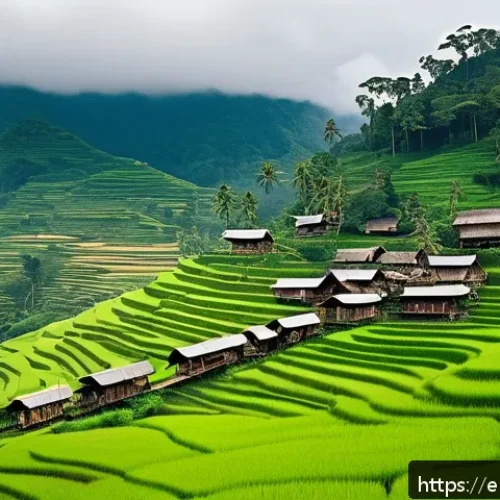
I remember renting a bike in Chiang Mai and exploring the rice fields; it was such a freeing experience and saved me some baht compared to taxis! Plus, supporting local markets and street food vendors not only gives you incredible, authentic flavors but also directly benefits small businesses, often at a lower cost than tourist traps.
You might find that some national parks have entrance fees (like around 200-300 Baht), but this money often goes directly towards maintaining these beautiful protected areas.
As for choices, Thailand is actively developing “eco-routes” across green cities like Chiang Mai and Krabi, meaning you’ll have more curated, low-impact options to choose from.
So, while you’ll definitely want to pack your reusable items and be mindful, I truly believe these shifts are making Thailand an even richer, more rewarding destination for travelers who want to make their adventures count.
It’s about conscious choices, not necessarily more expensive ones!