Stepping off the plane in Thailand, the vibrant symphony of aromas hits you first – lemongrass, chili, coconut, and a hint of something utterly magical.
I’ve always been a foodie, but nothing truly prepares you for the sheer depth of Thai flavors. That’s why, on my last adventure, I decided to go beyond just eating and actually dive headfirst into the culinary heart of the country: a hands-on cooking school experience.
Imagine yourself pounding fresh curry paste from scratch, understanding the delicate balance of sweet, sour, salty, and spicy, and truly connecting with the local culture through its incredible ingredients.
It’s not just about learning recipes; it’s an unforgettable journey into the soul of Thai gastronomy that I can’t wait to share. Let’s uncover the secrets together!
Exploring the Heartbeat of Thai Markets
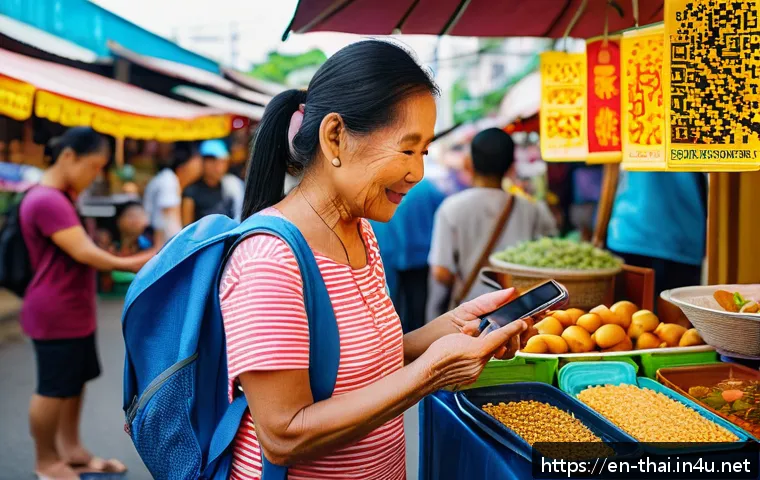
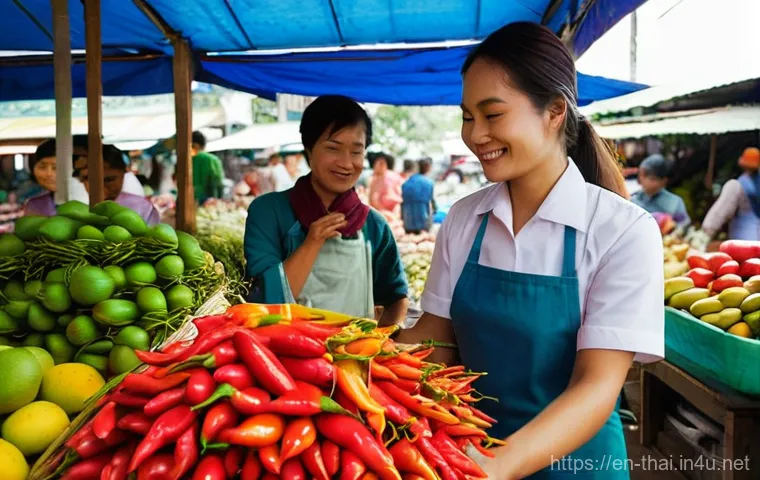
This is where the adventure truly begins. Before even stepping into a kitchen, my cooking school experience kicked off with a vibrant morning tour of a local market, a place bustling with energy and an explosion of colors and smells. This wasn’t just a quick walk-through; it was a sensory education, guided by our incredibly knowledgeable chef who pointed out everything from the freshest galangal to the elusive kaffir lime leaves. I remember marveling at piles of exotic fruits I’d never seen before, and the sheer variety of chilies, each promising a different level of heat and flavor. It’s one thing to buy ingredients pre-packaged in a supermarket back home, but to see them in their raw, organic glory, smelling the earth on the roots and herbs, truly deepened my appreciation for the foundation of Thai cuisine. Our chef explained how to pick the best produce, which fish was freshest that morning, and even introduced us to some lesser-known regional specialties. It felt like I was getting an insider’s look, a true glimpse into daily Thai life, far removed from the tourist traps. This market visit wasn’t just a precursor to cooking; it was a fundamental lesson in understanding the soul of Thai food, where every dish begins with the highest quality, freshest ingredients imaginable. It really brought to life the saying that good cooking starts with good produce, and in Thailand, that couldn’t be more true.
Navigating the Labyrinth of Flavors
Wandering through the stalls felt like stepping into a living pantry, each corner revealing new treasures. Our chef didn’t just point things out; she had us smell, touch, and even taste tiny samples of obscure herbs and spices, explaining their individual notes and how they contribute to the complex tapestry of Thai flavors. It was fascinating to see how carefully vendors presented their wares, from perfectly stacked piles of mangoes to artfully arranged bundles of lemongrass. I felt a real connection to the source of the food, understanding that every ingredient has a story before it even reaches the chopping board.
The Art of Selecting Perfect Produce
One of the most valuable lessons was learning the nuances of choosing the best ingredients. Our instructor taught us how to identify ripe papayas for Som Tum, the firmest galangal, and the most fragrant basil. It wasn’t just about looking at the color, but feeling the texture, checking for freshness, and understanding seasonal availability. This practical knowledge is something I’ve carried with me, making my grocery shopping back home a much more informed and enjoyable experience, always seeking out the freshest possible options, even if it means trying a new market.
Unlocking the Secrets of Authentic Curry Paste
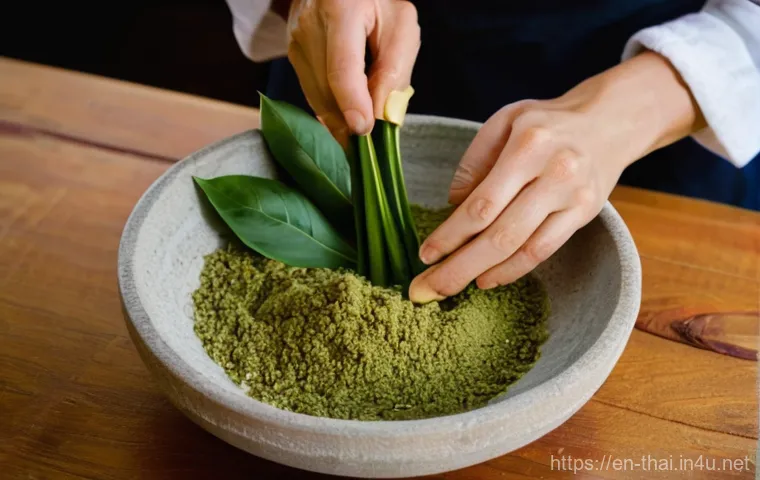
If there’s one thing that truly defines Thai cuisine, it’s the incredible depth of flavor in its curries, and the secret, I quickly learned, lies in the paste. For years, I’d settled for store-bought versions, thinking they were “good enough.” Oh, how wrong I was! My cooking class was a revelation, as we spent a significant amount of time pounding fresh ingredients in a mortar and pestle to create our very own red and green curry pastes from scratch. The sheer effort involved, the rhythmic *thump-thump-thump* as ginger, galangal, lemongrass, chilies, and shrimp paste transformed into a fragrant, vibrant pulp, was incredibly satisfying. Our instructor, with a twinkle in her eye, shared family secrets about the right consistency and the subtle additions that elevate a good paste to a truly exceptional one. I felt a profound connection to generations of Thai cooks, understanding that this wasn’t just a recipe, but a tradition passed down through time. The aroma alone, as the ingredients melded together, was intoxicating and completely different from anything that comes out of a jar. This hands-on experience taught me that patience and fresh ingredients are paramount, and the reward is a flavor profile that is absolutely unparalleled – a complex dance of spice, herb, and umami that sings on your palate. It’s a skill I now cherish and bring into my own kitchen, much to the delight of my friends and family.
The Meditative Art of Pounding Pastes
There’s something incredibly therapeutic about the rhythmic pounding of a mortar and pestle. It forces you to slow down, to engage all your senses, and to truly connect with the ingredients. I found myself lost in the process, the intense aromas filling the air as each ingredient slowly broke down, releasing its essence. It’s a physical, almost meditative act that makes you appreciate the final product so much more, knowing the effort and care that went into every single granule of flavor.
From Scratch: Flavor Unlocked
The difference between a homemade curry paste and a store-bought one is like night and day. The vibrant colors, the intense, fresh aromas, and the complex layers of flavor you get from starting with whole ingredients are simply unmatched. Our chef explained how the fresh oils and essences released during the pounding process create a deeper, more nuanced taste profile that simply can’t be replicated by mass production. It felt like unlocking a culinary superpower, a secret weapon for truly authentic Thai cooking.
Mastering the Art of Balance: Sweet, Sour, Salty, Spicy
Thai cuisine is a symphony, and like any good symphony, it relies on a delicate balance of contrasting elements. I always appreciated this complexity, but it wasn’t until my cooking class that I truly understood *how* to achieve it. Our chef meticulously demonstrated the interplay of sweet (palm sugar), sour (lime juice, tamarind), salty (fish sauce), and spicy (fresh chilies). It’s not about making everything equally strong, but about finding harmony, allowing each flavor to shine without overpowering the others. I remember tasting a Tom Yum soup after adding just a touch more lime, and it was like a light switch flipped – suddenly, all the ingredients sang together. It was a revelation to learn that adjusting these elements is a personal journey, often dictated by taste rather than rigid measurements. We practiced this balance across various dishes, from the iconic Pad Thai to a vibrant Green Curry, constantly encouraged to taste, adjust, and trust our palates. This intuitive approach to cooking was incredibly liberating and empowered me to experiment and tailor dishes to my own preferences, rather than rigidly adhering to a recipe. It’s a skill that transcends Thai food, impacting how I approach cooking any cuisine now – always seeking that perfect equilibrium that makes a dish truly memorable.
The Harmony of Flavors
Our instructor stressed that Thai cooking is less about strict measurements and more about tasting and adjusting. It’s about dancing with the ingredients, knowing when to add a touch more sweetness to mellow the spice, or a squeeze of lime to brighten the whole dish. This intuitive approach felt wonderfully liberating and made cooking feel like an art form rather than a science experiment. I learned to trust my taste buds in a way I never had before.
Tasting Your Way to Perfection
The constant tasting during the cooking process was eye-opening. We were encouraged to take small spoonfuls after each addition, identifying what was missing or what was too strong. This iterative process of tasting, analyzing, and adjusting is the real secret to authentic Thai flavors. It teaches you to become a more mindful and confident cook, truly understanding how ingredients interact and transform within a dish.
Beyond the Wok: Deep-Diving into Signature Dishes
While pounding curry paste was foundational, the true fun began when we started cooking actual dishes. Our class covered a fantastic array of Thai classics, and I was thrilled to get hands-on with some of my personal favorites. We learned the secrets to a perfect Pad Thai – the correct texture of the noodles, the precise timing for adding ingredients, and that elusive balance of sauces that gives it its signature taste. It’s so much more than just throwing ingredients in a pan; there’s a rhythm, almost a dance, to stir-frying. I was surprised by how quickly the flavors developed with fresh ingredients and the intense heat of a proper wok. Beyond Pad Thai, we tackled everything from the creamy, rich Massaman Curry, a dish with Indian and Malay influences that offers a gentler spice profile, to the vibrant and refreshing Som Tum (Green Papaya Salad), which was a revelation of crunch, spice, and tang. Each dish felt like a little masterpiece we were creating, guided by our chef’s patient and encouraging instruction. It wasn’t just about following steps; it was about understanding the ‘why’ behind each technique, the cultural significance, and the subtle nuances that make Thai food so incredibly diverse and appealing. I can still vividly recall the aroma of fresh basil hitting the hot wok as we finished our Holy Basil Chicken – pure culinary bliss!
Crafting Iconic Thai Staples
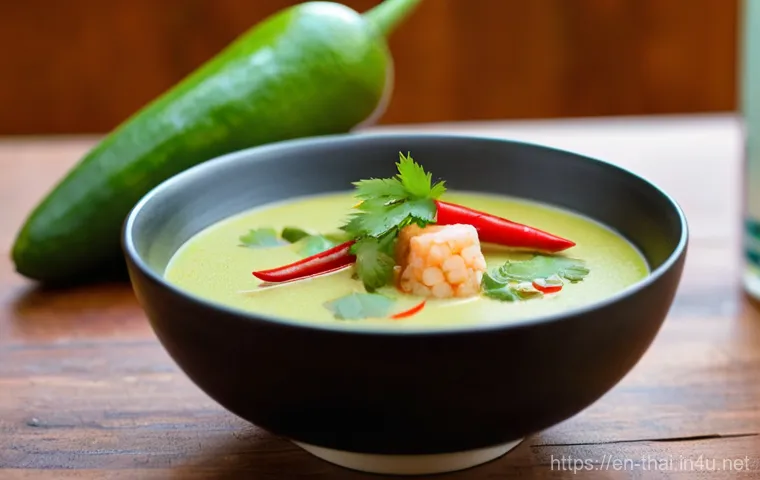
Getting to cook dishes like Pad Thai and Green Curry from scratch was incredibly rewarding. I learned that the texture of the noodles in Pad Thai is crucial, and achieving that perfect chewiness comes down to soaking them just right. And for Green Curry, understanding how to properly sauté the curry paste before adding the coconut milk makes all the difference in building a deep, rich flavor base. It felt incredible to produce dishes that tasted as good as, if not better than, those I’d enjoyed in restaurants.
Unveiling Regional Delights
The class wasn’t just about the well-known dishes; we also explored some regional specialties. Learning to make Som Tum, the fiery green papaya salad from the Isaan region, was a highlight. The fresh, crisp texture combined with the intense chili heat and a squeeze of lime was an explosion of flavor. It really opened my eyes to the incredible culinary diversity within Thailand itself, proving that there’s always something new and exciting to discover.
| Ingredient | Key Role in Thai Cuisine | My Personal Takeaway |
|---|---|---|
| Lemongrass | Adds a refreshing, citrusy aroma and subtle lemony flavor, common in soups and curries. | Never underestimate the power of bruising it to release its essential oils! It makes all the difference in soups like Tom Yum. |
| Galangal | Distinct peppery, piney, and citrusy flavor; a bolder cousin to ginger, crucial for authentic taste. | It’s not just “spicy ginger”! Its unique aroma gives dishes like Tom Kha Gai their signature depth, totally irreplaceable. |
| Kaffir Lime Leaves | Provides a distinctive, intense citrus aroma, often used bruised in curries and stir-fries for a bright finish. | The fresh leaves are incomparable to dried ones; they impart an almost floral, bright note that elevates any dish they touch. |
| Fish Sauce (Nam Pla) | The cornerstone of Thai seasoning, providing umami and saltiness, balancing other flavors without being overly fishy. | Don’t fear the smell in the bottle! It transforms into a beautiful, savory base when cooked, giving that unmistakable Thai flavor. |
| Palm Sugar | Offers a mellow, caramel-like sweetness, often used to balance the sour, salty, and spicy elements in a dish. | So much more nuanced than white sugar. It gives a rounded, authentic sweetness that’s truly unique and complex. |
Connecting with Culture Through Culinary Stories
One of the most enriching aspects of my cooking school experience was how deeply it wove together food with Thai culture. Our instructors weren’t just teaching recipes; they were sharing stories, traditions, and the heart of their heritage. I remember our chef telling us about the importance of sharing food, the communal nature of Thai meals, and how different dishes reflect regional identities. It wasn’t just a lesson in cooking; it was a window into the everyday lives of Thai people. She explained the significance of certain ingredients in traditional medicine, the etiquette around eating, and even the superstitions associated with certain foods. This personal connection, hearing about her grandmother’s recipes and the local customs, made the entire experience feel incredibly authentic and profound. I felt like I wasn’t just a tourist observing from a distance, but someone truly participating in and understanding a piece of Thailand’s soul. These anecdotes added so much depth, turning each dish into more than just a meal – they became vessels of history and culture, making every bite that much more meaningful. This cultural immersion through food is something you simply can’t get from a cookbook or a restaurant menu; it has to be experienced firsthand, and it left an indelible mark on me.
The Narrative Behind the Noodle
Every dish seemed to come with a story, whether it was about its origins in a particular village or a family tradition passed down through generations. Our chef shared how certain ingredients are chosen not just for flavor, but for their significance in traditional Thai beliefs or for special occasions. It transformed cooking from a mere task into an act of storytelling, connecting us to the rich history and vibrant community behind the food we were preparing.
From Kitchen to Culture: A Shared Heritage
Sitting down to eat the dishes we had prepared, surrounded by our newfound culinary classmates and our wonderful instructors, felt like a true communal experience. We learned about the etiquette of sharing dishes, the rhythm of a Thai meal, and how food is deeply intertwined with family and celebration. It wasn’t just about tasting delicious food; it was about participating in a cherished cultural practice, feeling like an honorary member of their vibrant community.
Bringing Thailand Home: Sustaining the Flavors
Leaving Thailand, I worried that the magic of the flavors might fade, becoming just a fond memory. But armed with my newfound skills and the recipes from the cooking school, I was determined to keep the culinary journey alive. The biggest takeaway for me wasn’t just a collection of recipes, but a fundamental understanding of Thai cooking principles – that balance of flavors, the importance of fresh ingredients, and the confidence to experiment. Back in my own kitchen, I’ve found myself recreating dishes with surprising success, adjusting them based on available ingredients and my own palate, much like our chef encouraged. My friends and family have been delighted by my new repertoire, and it’s become a fantastic way to share my travel experiences and the incredible tastes of Thailand with them. I even started growing some of my own herbs, like Thai basil and cilantro, to try and replicate that freshness I experienced in the markets. The school provided us with comprehensive recipe books, but honestly, the true value was in the *experience* – the muscle memory of pounding paste, the smell of the wok, the taste tests that refined my palate. It’s a skill set that continues to bring joy and deliciousness into my everyday life, reminding me daily of that incredible adventure and empowering me to keep exploring the vast world of flavors.
Recreating the Magic in Your Kitchen
The real test, of course, was bringing those skills back to my own kitchen. I was thrilled to find that the principles I learned translated beautifully, even with ingredients that might not be as fresh as those in a Bangkok market. I’ve surprised myself with how confidently I now approach making curries from scratch or balancing the sweet and sour in a stir-fry. It’s a fantastic feeling to bring those incredible Thai flavors to my own dinner table, especially when guests rave about them!
Beyond Recipes: A Lasting Skill Set
What I gained from the cooking school went far beyond a list of recipes. It was a transformation in my approach to cooking itself. I now cook with more intuition, more confidence, and a deeper understanding of how flavors work together. This foundational knowledge empowers me to experiment not just with Thai food, but with other cuisines too, always seeking that perfect harmony and zest that makes food truly sing. It’s a gift that keeps on giving, filling my kitchen with wonderful aromas and my life with delicious memories.
Wrapping Up My Culinary Journey
And there you have it, folks! My incredible journey through the heart of Thai cuisine, from bustling markets to mastering curry pastes, has been nothing short of transformative. It wasn’t just about learning recipes; it was about truly understanding the soul of Thai food, connecting with its vibrant culture, and gaining a whole new level of confidence in my own kitchen. This experience has forever changed the way I approach cooking, instilling in me a deeper appreciation for fresh ingredients, the delicate dance of flavors, and the joy of sharing delicious meals.
Handy Tips for Your Thai Kitchen Adventures
If my experience has inspired you to dive into Thai cooking, here are a few gems I picked up along the way that I truly believe will make your journey more rewarding:
1. Don’t Compromise on Freshness: This is perhaps the most crucial lesson. Thai cuisine thrives on vibrant, fresh ingredients. Whenever possible, seek out authentic ingredients from local Asian markets rather than relying solely on your regular supermarket. The difference in aroma and flavor, especially with herbs like galangal and lemongrass, is truly incomparable. Trust me, it’s worth the extra effort.
2. Embrace the Mortar and Pestle: While a food processor can do the job, there’s a unique magic to pounding your own curry paste. It releases oils and essences in a way machinery simply can’t, resulting in a deeper, more nuanced flavor. Plus, it’s a surprisingly therapeutic process that connects you more intimately with your ingredients.
3. Taste, Taste, Taste, and Adjust: Thai cooking is an art of balance – sweet, sour, salty, and spicy. Don’t be afraid to taste your dish throughout the cooking process and adjust. A squeeze of lime, a pinch of palm sugar, or a dash more fish sauce can completely transform a dish and bring it into perfect harmony with your palate. Recipes are guides, but your taste buds are the ultimate judge.
4. Get to Know Your Fish Sauce: High-quality fish sauce (Nam Pla) is a cornerstone of Thai cooking. It adds incredible umami and depth without making your dish taste overtly “fishy” when used correctly. Don’t be intimidated by its strong smell in the bottle; it truly becomes something beautiful once it hits the heat and combines with other flavors. It’s an ingredient you’ll learn to love and rely on.
5. Experiment with Heat Levels: Thai food is famous for its spice, but don’t feel pressured to make every dish fiery hot. Start with a moderate amount of chili and gradually add more to suit your preference. Many Thai dishes offer complex flavors even without overwhelming heat, allowing the other ingredients to truly shine. It’s about finding *your* perfect balance.
Key Takeaways for Aspiring Thai Cooks
My culinary adventure in Thailand underscored a few fundamental truths about cooking that I now carry with me into every kitchen endeavor. First and foremost, the soul of any cuisine lies in the quality and freshness of its ingredients; it’s the foundation upon which all great flavors are built. Secondly, cooking is less about rigid adherence to recipes and more about understanding the interplay of flavors and trusting your instincts, especially when it comes to achieving that signature Thai balance. Finally, engaging with the cultural narrative behind the food adds an unparalleled depth to the entire experience, transforming a simple meal into a story shared across generations. So, roll up your sleeves, embrace the journey, and prepare to create some truly unforgettable dishes!
Frequently Asked Questions (FAQ) 📖
Q: What’s a hands-on Thai cooking class really like, and do I need to be a kitchen pro to enjoy it?
A: Oh my goodness, this is such a common question, and I totally get it! When I first considered a Thai cooking class, I was picturing myself surrounded by Michelin-star chefs, feeling completely out of my depth.
But let me tell you, it was absolutely nothing like that. From the moment I stepped in, the atmosphere was so warm and welcoming, far from intimidating.
Most classes actually start with a trip to a local market, which, for me, was half the fun! Imagine walking through vibrant stalls, seeing all those exotic fruits, spices, and fresh produce up close, feeling the textures, and smelling the incredible aromas.
My instructor was amazing, explaining each ingredient’s role and how to pick the best ones. It’s truly a feast for the senses before you even get to the kitchen!
Once we were back, the actual cooking part was incredibly hands-on, just like they promise. I remember pounding my own curry paste from scratch – it’s a workout, but so satisfying!
We each had our own station, which made it feel really personal, and the instructors were right there, guiding us step-by-step. Honestly, you don’t need any prior cooking experience at all.
I saw folks from all walks of life, from absolute beginners to pretty seasoned home cooks, and everyone was having a blast. The whole point is to have fun, connect with the culture through food, and leave with some incredible new skills and delicious recipes.
They break everything down so beautifully, focusing on that perfect balance of sweet, sour, salty, and spicy that makes Thai cuisine so unique. You’ll be amazed at what you can create!
Q: I have some dietary restrictions. Can I still participate and enjoy a Thai cooking experience?
A: This is such an important question, and something I always wonder about myself when traveling! The good news is, from my experience and what I’ve seen, Thai cooking schools are generally super accommodating when it comes to dietary needs.
It’s truly impressive how flexible they are! Whether you’re vegetarian, vegan, or have specific allergies like gluten intolerance, they really go out of their way to make sure everyone can join in and enjoy.
When I was there, a few people in my class had different dietary requirements, and the instructors simply adapted the recipes on the fly. For instance, if a dish traditionally uses chicken or shrimp, they often suggest substituting it with tofu or an array of fresh vegetables.
They’re quite skilled at showing you how to adjust flavor profiles using plant-based sauces or different herbs and spices. Many schools even offer specific vegetarian or vegan menus, or at least have a vast selection of dishes that are naturally plant-based.
The key is usually to let them know in advance when you book your class. That way, they can prepare and ensure they have all the right ingredients on hand for you.
It truly makes the experience inclusive and enjoyable for everyone, which I think is just fantastic. Don’t let dietary concerns hold you back from this amazing cultural immersion!
Q: How do I choose the “right” Thai cooking school when there are so many options?
A: Oh, this is the million-dollar question, isn’t it? It can feel a bit overwhelming when you see all the fantastic choices out there! When I was looking, I definitely spent some time sifting through options, and what I found is that the “right” one really depends on what you’re hoping to get out of the experience.
Firstly, think about what kind of vibe you’re after. Some schools are very traditional, focusing on ancient techniques and specific regional dishes, while others might be a bit more modern or geared towards popular street food.
For me, a market visit was non-negotiable because I really wanted to understand the ingredients from the source, so I made sure to pick a class that included that.
Also, consider the class size. I personally prefer smaller groups because it feels more intimate, and I get more one-on-one attention from the chef – perfect for those moments when I’m not sure if I’m pounding that curry paste quite right!
Next, check the menu! Many schools let you choose a few dishes from a selection, or they might have rotating daily menus. If there’s a specific dish you’re dying to master, like Pad Thai or Green Curry, make sure it’s on their list for the day you plan to attend.
Finally, don’t forget practicalities like location (do they offer hotel pickup?), duration (half-day versus full-day), and what’s included, like a recipe book to take home.
Trust your gut, read a few reviews to get a feel for the instructors’ personalities, and pick the one that truly sparks your culinary curiosity!