Stepping into Thailand is like diving headfirst into a vibrant tapestry woven with ancient traditions, diverse ethnic threads, and an unmistakable zest for life that you just can’t find anywhere else.
Forget what you think you know about “The Land of Smiles” because its heart beats with far more than just pristine beaches and bustling markets. I’ve been utterly captivated by how gracefully its rich history, deeply rooted in Theravada Buddhism, blends with the dynamic influences of its many ethnic groups—from the spirited Northern Thais to the resilient Malay communities in the South.
What truly amazes me is seeing how locals are embracing cutting-edge digital trends and sustainable tourism initiatives while fiercely preserving their unique cultural identity, like the beautiful “Chut Thai” national costume making waves globally, showing a fascinating interplay between tradition and modernity.
It’s this captivating dance between the old and the new, the traditional and the trending, that makes Thailand an endless source of fascination. Ready to uncover the true essence of its people and their incredible customs?
Let’s explore what makes Thailand’s cultural landscape so uniquely captivating!
Unpacking the Tapestry: More Than Just Postcard Perfect
You know, when I first landed in Bangkok, I thought I knew Thailand. Beaches, temples, delicious food – the usual suspects, right? But what truly blew me away, and frankly, still does, is the incredible depth of its cultural fabric.
It’s not just a backdrop; it’s the living, breathing soul of the country. I’ve spent countless hours just observing, chatting with locals, and feeling that undeniable current of tradition flowing alongside modern life.
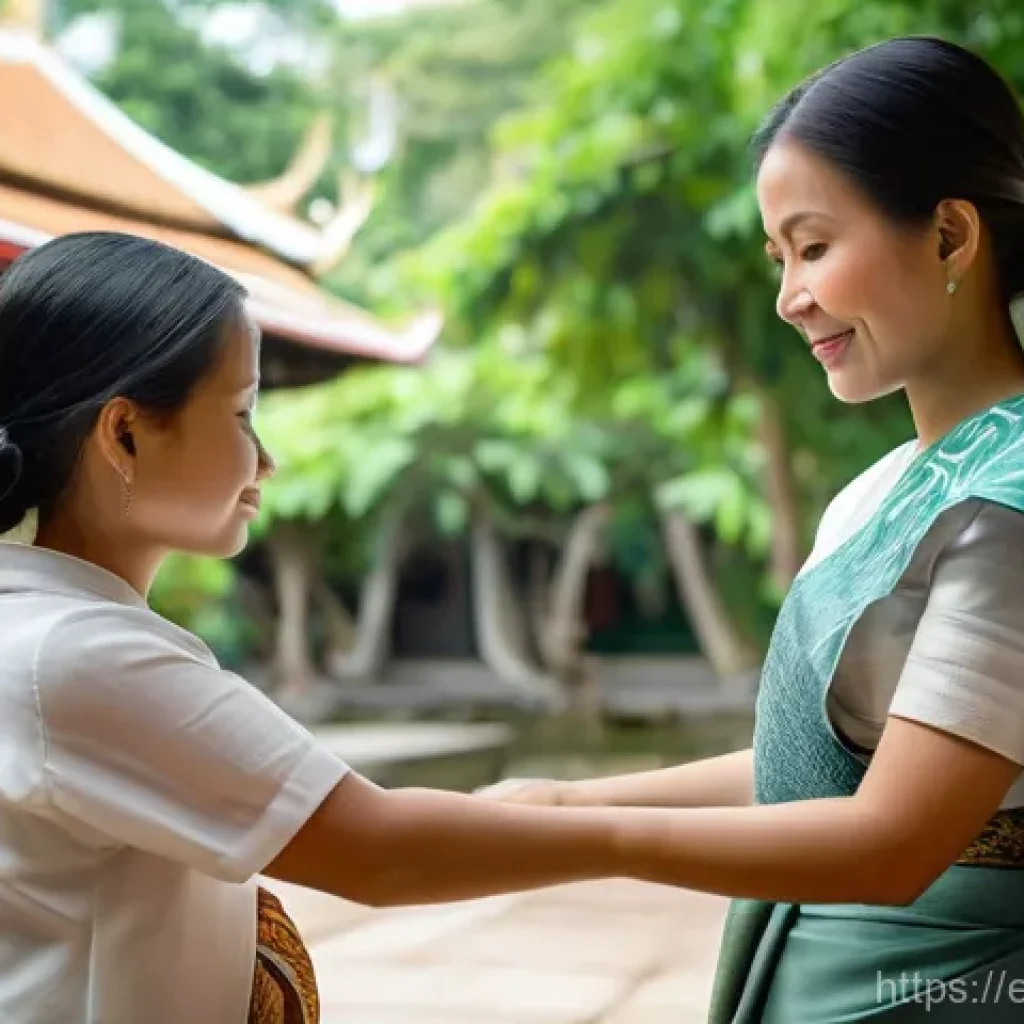
This isn’t just about ancient ruins; it’s about how those ancient beliefs and practices are woven into everyday moments, from the way people greet each other with a gentle *wai* to the vibrant offerings placed at spirit houses every morning.
It’s a culture that truly celebrates life in all its forms, often with an infectious smile, even amidst challenges. The sheer resilience and warmth of the Thai people, often rooted in their deep spiritual beliefs, have always left a profound mark on me.
You’ll find pockets where time seems to stand still, and then just around the corner, a bustling market or a hyper-modern shopping mall, yet somehow, it all fits together harmoniously, creating an experience that’s constantly surprising and enriching.
It’s a genuine testament to a culture that embraces its past while confidently stepping into the future, and experiencing this firsthand is truly something special.
The Subtle Art of Everyday Etiquette
Walking through Thailand, you’ll quickly notice a certain grace in interactions, which stems from a deep respect for elders and a strong sense of community.
I remember fumbling my first few *wais*, trying to get the hand placement and head tilt just right, but locals were always so patient and understanding.
It’s not just a gesture; it’s an acknowledgment of status, a sign of deference, and a beautiful symbol of peace. Beyond greetings, things like taking off your shoes before entering homes or temples, not touching someone’s head, and always using your right hand to give or receive things are small but significant ways to show respect.
I’ve found that making an effort, even if imperfect, goes a long way in connecting with people here. It shows you’re open to their ways, and that openness is often reciprocated with incredible kindness and hospitality.
It’s these small, unwritten rules that truly define the social landscape and make interactions so uniquely charming.
Embracing the Spiritual Heartbeat
Thailand’s spiritual landscape, predominantly Theravada Buddhism, isn’t just a religion; it’s a way of life that permeates everything. From the serene gold-leafed temples dotting every city and village to the monks in their saffron robes who are revered figures, the presence of Buddhism is palpable.
I’ve had the profound experience of participating in a morning alms giving, offering food to passing monks, and it’s an incredibly humbling moment that connects you directly to centuries of tradition.
It’s not about grand gestures but about daily acts of merit-making, compassion, and mindfulness. Even if you’re not Buddhist, the calm and peaceful atmosphere within a temple compound is utterly captivating.
I often find myself taking a moment to simply sit and observe, feeling a sense of tranquility wash over me, a welcome respite from the bustling world outside.
This spiritual underpinning profoundly shapes the Thai worldview, influencing everything from art and architecture to their famed generosity and patience.
A Kaleidoscope of Flavors: Thailand’s Culinary Soul
Oh, if there’s one thing that truly speaks to the heart of Thailand, it’s the food. Forget fusion; this is a cuisine that has been perfecting its balance of sweet, sour, salty, spicy, and umami for centuries, creating an explosion of flavors with every bite.
I’ve eaten my way through countless street food stalls, local markets, and upscale restaurants, and I swear, each meal tells a story. It’s not just about sustenance; it’s a communal experience, a celebration of local ingredients, and often, a fiercely guarded family recipe passed down through generations.
I remember trying *khao soi* for the first time in Chiang Mai, a rich, creamy curry noodle soup, and thinking, “Where has this been all my life?” Or the fiery kick of a perfectly balanced *Som Tum* (papaya salad) that simultaneously makes your eyes water and your taste buds sing.
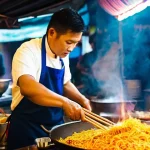
Every region has its own specialties, its own nuances, making it impossible to ever get bored. The vibrant colors, the intoxicating aromas wafting from every corner, the sizzle of woks – it’s a sensory overload in the best possible way.
This culinary journey is as much a part of understanding Thailand as visiting its historical sites.
The Street Food Symphony
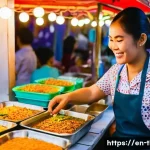
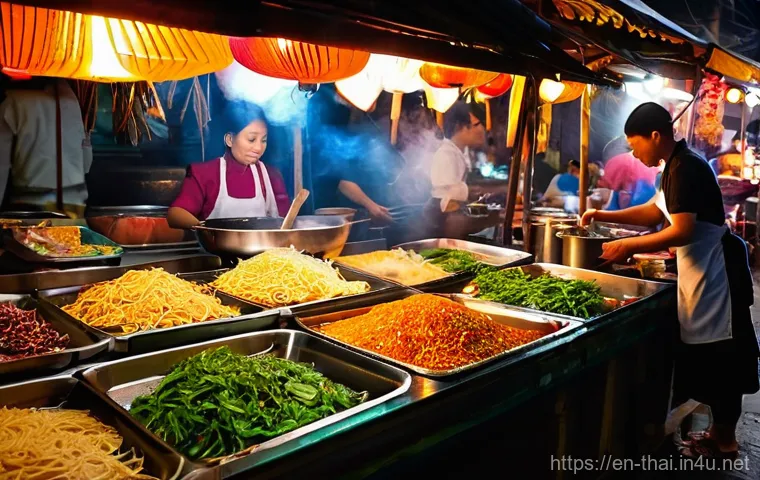
If you really want to experience Thailand, you *have* to hit the street food scene. This isn’t just fast food; it’s an art form, a dynamic open-air kitchen where incredibly skilled vendors whip up gastronomic masterpieces right before your eyes.
I’ve spent evenings just wandering through night markets, mesmerized by the sheer variety and efficiency. From succulent grilled skewers to steaming bowls of noodles, crispy spring rolls, and freshly squeezed fruit juices, the options are endless and incredibly affordable.
My personal ritual involves grabbing a few small dishes from different stalls – a little *pad see ew* here, some mango sticky rice there, maybe some deep-fried taro – and just enjoying the lively atmosphere.
It’s not just about the food; it’s about the sounds, the smells, the vibrant energy of people gathering, sharing a meal, and enjoying life. It’s an authentic slice of Thai daily life that truly brings you into the fold.
Beyond the Usual Suspects: Regional Delights
While *Pad Thai* and green curry are fantastic, limiting yourself to them means missing out on a whole world of regional specialties. The North, with its cooler climate, favors milder, herbal dishes like the aforementioned *khao soi* and *sai oua* (northern Thai sausage).
The Northeast (Isaan) is known for its bold, spicy, and often fermented flavors, including the famously fiery *larb* and *som tum*. The South, naturally, leans heavily on seafood and coconut milk, producing rich curries like *Massaman* and pungent stir-fries.
Each region’s cuisine is a reflection of its landscape, its history, and its people. I always make it a point to seek out local recommendations when I travel to a new area, because that’s where you truly discover the hidden gems and taste the authentic soul of the place.
It’s an adventure for your palate, and one that I wholeheartedly recommend taking.
Festivals and Celebrations: A Burst of Joy and Color
Thailand truly knows how to celebrate. Seriously, their calendar is peppered with festivals that are not just holidays but profound cultural expressions, steeped in history and often tied to agricultural cycles or religious beliefs.
I’ve been fortunate enough to experience a few of these firsthand, and let me tell you, they are unforgettable. From the serene beauty of Loy Krathong, where thousands of candle-lit floats drift on rivers, carrying wishes and releasing worries, to the exuberant, nationwide water fights of Songkran, the Thai New Year – each festival offers a unique window into the country’s vibrant spirit.
It’s an incredible feeling to be swept up in the collective joy, to witness communities coming together, dressed in traditional attire, sharing food, and honoring their heritage.
These events aren’t just for tourists; they are deeply meaningful occasions for the Thai people, strengthening community bonds and preserving ancient customs.
The Gentle Glow of Loy Krathong
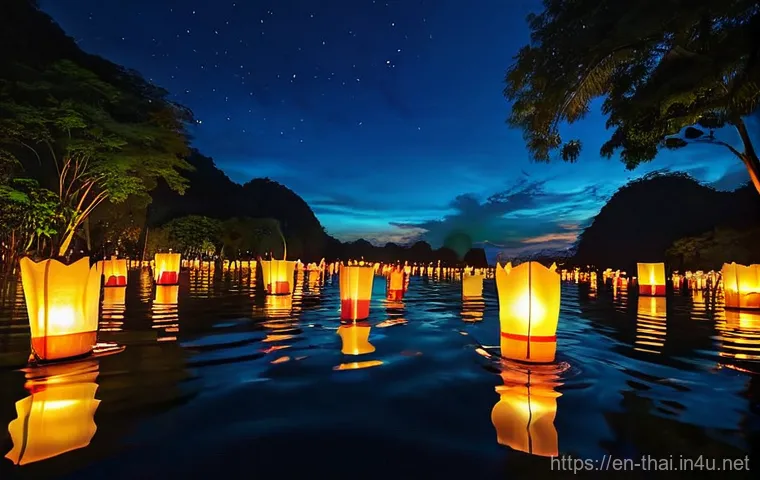
Loy Krathong, often held in November during the full moon, is arguably one of the most beautiful festivals I’ve ever witnessed. The air fills with a magical glow as people release meticulously crafted *krathongs* (small floats made from banana leaves, flowers, candles, and incense) onto rivers, canals, and even ponds.
It’s a symbol of letting go of misfortunes and making wishes for the future. I remember standing by the Ping River in Chiang Mai, watching thousands of lights twinkling on the water, reflecting the full moon above.
It’s a profoundly peaceful and almost ethereal experience, a moment of quiet reflection amidst the gentle buzz of celebration. The sight of sky lanterns (Yi Peng) rising into the night sky, alongside the river floats, creates a truly breathtaking spectacle.
It’s a festival that touches your soul and leaves you with a sense of wonder.
Songkran: The Ultimate Water Fight
Then there’s Songkran! If Loy Krathong is about serene beauty, Songkran is pure, unadulterated joy and playful chaos. This is the traditional Thai New Year, usually celebrated in mid-April, and it involves three days (or more, depending on the region) of enthusiastic water throwing.
I’ve participated in it twice, and it’s an absolute blast. You grab a water gun, a bucket, or whatever water-wielding device you can find, and join in the fun.
It’s not just about getting soaked; it’s a symbolic cleansing, washing away bad luck for the year ahead. Everyone, young and old, gets involved, and the streets turn into massive, joyful water battlegrounds.
It’s a fantastic way to cool off in the intense heat and experience the incredible warmth and good humor of the Thai people. Just make sure your phone is in a waterproof bag!
The Enduring Craft: Preserving Artisanal Legacies
One of the aspects of Thai culture that consistently impresses me is the deep reverence for craftsmanship. It’s not just about making beautiful objects; it’s about preserving skills that have been passed down through generations, often embodying profound cultural and spiritual meanings.
From the intricate silk weaving of the North to the delicate silverwork of Chiang Mai and the vibrant ceramic traditions, Thai artisans pour their heart and soul into their creations.
I’ve had the privilege of visiting small workshops where I could watch weavers meticulously work on their looms, creating patterns that tell stories, or see silversmiths hammering and shaping metal with incredible precision.
There’s an artistry and a patience that’s truly inspiring. These aren’t mass-produced items; each piece carries the unique touch of the maker and often a piece of their heritage.
Supporting these local artisans is a wonderful way to take home a piece of Thailand’s soul and ensure these incredible traditions continue to thrive.
Silk, Silver, and Ceramics: A Touch of Elegance
Thai silk is renowned worldwide for its lustrous quality and vibrant colors. I’ve always been drawn to the intricate patterns and the almost ethereal feel of it.
It’s not just fabric; it’s a canvas for stories and traditions. Similarly, Thai silver, particularly from Northern Thailand, showcases incredible detail and craftsmanship, often featuring traditional motifs.
I cherish a small silver elephant pendant I bought years ago, knowing the hours of dedication that went into its creation. And then there are the ceramics – from the celadon ware of Sukhothai to the colorful Benjarong porcelain, each type reflects a distinct artistic heritage.
Visiting a ceramic village, seeing the kilns, and watching artists paint delicate designs by hand is a truly immersive experience. It’s a testament to how art isn’t just displayed in galleries here; it’s an active, living tradition woven into the fabric of daily life and commerce.
The Evolution of Traditional Dress: Chut Thai
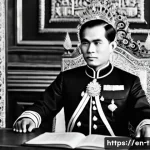
The “Chut Thai,” the traditional national costume, is a beautiful example of how heritage can be both preserved and revitalized. It’s not just something worn for special occasions; you see variations of it, modernized and adapted, making appearances on fashion runways and in contemporary art.
I’ve been fascinated by how different styles of *Chut Thai* reflect regional identities and historical periods, from the flowing, elegant designs for royal ceremonies to the more practical yet still graceful everyday wear.
It’s a powerful symbol of national identity, and seeing it embraced by younger generations, often with a modern twist, truly highlights the dynamic interplay between tradition and evolving trends.
It’s wonderful to see how something so deeply rooted in the past can continue to be relevant and inspiring in the present.
Modern Thailand: Navigating Tradition in a Digital World
It’s easy to romanticize Thailand as a land of ancient temples and serene rice paddies, and while those elements are undeniably present, it’s also a country that is rapidly embracing the digital age.
I’ve been fascinated by how seamlessly technology is integrated into daily life here, often in ways that surprise you. From QR codes for street food payments to highly sophisticated social media marketing campaigns by local businesses, Thailand is anything but a technological backwater.
What’s truly remarkable is how this modern adoption of tech doesn’t seem to dilute their cultural identity; instead, it often serves to amplify and preserve it.
Locals are incredibly adept with their smartphones, using them not just for communication but for sharing cultural events, promoting local crafts, and even coordinating community initiatives.
It’s a vibrant, dynamic intersection of the old and the new, and experiencing it truly broadens your perspective on what “modern” can mean in a deeply traditional society.
The Social Media Renaissance
Thai people are incredibly active on social media platforms like LINE, Facebook, and Instagram. It’s not just for personal updates; these platforms are powerful tools for small businesses, artists, and even local governments to connect with their communities and promote their rich cultural heritage.
I’ve seen local artisans use Instagram to showcase their intricate handicrafts to a global audience, bypassing traditional retail channels entirely. Food bloggers are constantly unearthing hidden culinary gems, driving traffic to mom-and-pop shops that might otherwise remain undiscovered.
This digital fluency means that traditional stories, music, and art are finding new life and new audiences, both within Thailand and internationally. It’s an exciting time to witness this cultural renaissance, powered by the very tools that some might assume would erode tradition.
Sustainable Progress: A Conscious Future
Another fascinating trend I’ve observed is Thailand’s growing commitment to sustainable tourism and environmental preservation, often rooted in traditional Buddhist principles of respect for nature.
There’s a palpable shift towards eco-friendly practices, from community-based tourism initiatives that directly benefit local villagers to resorts adopting stringent waste reduction policies.
I’ve visited projects where locals are actively involved in protecting marine life or restoring mangrove forests, integrating traditional ecological knowledge with modern conservation science.
It’s inspiring to see this conscious effort to safeguard Thailand’s natural beauty for future generations, recognizing that their incredible environment is as much a part of their cultural identity as their temples and festivals.
This responsible approach ensures that the “Land of Smiles” will continue to enchant travelers for a very long time, offering authentic experiences that are both enriching and respectful.
The Spirit of Community: Family and Filial Piety
If there’s one thing that truly underpins Thai society, it’s the profound importance of family and community. I’ve always been struck by the warmth and closeness of Thai families, extending far beyond the nuclear unit to include grandparents, aunts, uncles, and cousins, all playing an active role in each other’s lives.
Filial piety, the respect and care for one’s elders, isn’t just a concept; it’s a living practice that you see demonstrated daily, from how children interact with their parents to the multi-generational households that are still very common.
This strong communal bond fosters a sense of collective responsibility and mutual support that is truly heartwarming to witness. It creates a safety net, a sense of belonging, and a foundation of respect that influences every aspect of social interaction.
This isn’t just about obligations; it’s about a deep, enduring love and connection that forms the very backbone of Thai life, and it’s a beautiful thing to experience, even as an outsider.
The Extended Family Network
In Thailand, the concept of family is beautifully expansive. It’s not uncommon to see several generations living under one roof or in close proximity, sharing meals, childcare, and even business ventures.
I’ve been invited into Thai homes where the sheer number of relatives present for a casual dinner was astounding, each one contributing to the lively atmosphere.
There’s a natural flow of support, advice, and care that circulates within these extended networks. For instance, younger family members often provide financial support to their elders, a deeply ingrained cultural expectation and honor.
This interconnectedness means that individuals are rarely truly alone; there’s always a safety net of family love and practical assistance. It’s a stark contrast to more individualistic Western societies and offers a powerful example of community strength.
Hospitality That Comes from the Heart
Thai hospitality is legendary, and in my experience, it stems directly from this strong sense of family and community. When you’re welcomed into a home, you’re treated like a cherished guest, often with an abundance of food, thoughtful gestures, and genuine warmth.
I’ve lost count of the times I’ve been offered extra portions of delicious home-cooked meals, a refreshing drink, or help with directions, all with that characteristic Thai smile.
This isn’t just politeness; it’s a deep-seated cultural value that emphasizes making others feel comfortable and valued. It’s about sharing, caring, and extending kindness, and it truly makes you feel like you’re part of something bigger, even if just for a fleeting moment.
It’s an authenticity of welcome that you rarely find elsewhere and one of the many reasons I keep returning.
Finding Your Zen: The Profound Influence of Buddhism
Stepping into Thailand is, in many ways, stepping into a living testament to Theravada Buddhism. It’s more than just a religion; it’s a philosophical framework that shapes everything from the country’s art and architecture to its social norms and the very mindset of its people.
I’ve often found myself drawn to the serene calm within temple grounds, even amidst the bustling cities. There’s a pervasive sense of mindfulness and a focus on compassion that permeates daily life.
Monks, with their saffron robes, are not just religious figures but respected members of society, often involved in community life and offering guidance.
It’s a continuous journey of understanding for me, observing how the principles of karma, reincarnation, and merit-making influence choices and interactions, fostering a society that often prioritizes harmony and generosity.
The gentle wisdom of Buddhist teachings, even subtly integrated into secular life, offers a profound insight into the Thai soul.
Monasteries: Havens of Peace and Learning
Thai temples, or *wats*, are far more than just places of worship; they are vital community hubs, educational centers, and havens of peace. I’ve spent hours exploring their intricate designs, admiring the gold leaf, and observing the devotees.
Many temples offer meditation retreats or even brief stays for foreigners interested in learning more about Buddhist practices, which I highly recommend if you’re seeking a deeper connection.
The disciplined life of the monks, dedicated to study and meditation, creates an atmosphere of tranquility that is truly palpable. Beyond the spiritual, *wats* often host local markets, festivals, and even provide shelter for those in need.
They represent a cornerstone of Thai society, serving both the spiritual and practical needs of their communities, and stepping inside one truly allows you to feel the pulse of their culture.
Merit-Making and Daily Rituals
One of the most visible aspects of Buddhism in Thailand is the daily practice of merit-making. This can range from offering food to monks in the morning, releasing caged birds (symbolizing freedom), donating to temples, or performing acts of kindness.
I’ve observed countless small acts of generosity and respect, such as leaving offerings at spirit houses – miniature, ornate structures found outside almost every building – to appease the resident spirits.
These acts are performed with the belief that they accumulate good karma, leading to a better life in the future. It’s not just a ritual; it’s a deeply ingrained cultural practice that encourages compassion, giving, and a mindful approach to life.
Experiencing this daily devotion firsthand offers a unique insight into the heart of Thai spirituality and its tangible impact on social interactions.
| Cultural Element | Description | Personal Impact / Observation |
|---|---|---|
| The Wai | A traditional Thai greeting and gesture of respect, involving pressing palms together at chest level. | Initially awkward, but quickly understood its profound meaning in showing deference and warmth. |
| Street Food Culture | Vibrant, widespread culinary scene found on sidewalks and in markets. | An absolute sensory delight, showcasing regional diversity and community life. My go-to for authentic flavors. |
| Loy Krathong | Festival of lights where small floats are released onto water, symbolizing letting go of misfortunes. | An incredibly beautiful and peaceful experience, creating magical scenes on rivers and canals. |
| Filial Piety | Deep respect and care shown for elders and parents within the family structure. | Witnessing multi-generational households and the constant support offered within families was truly heartwarming. |
| Theravada Buddhism | The predominant religion, influencing daily life, art, architecture, and moral values. | Provides a pervasive sense of calm and mindfulness, especially within temple grounds and during alms giving. |
Sustainable Smiles: Embracing Responsible Tourism
As someone who’s traveled extensively, I’ve seen the good and bad sides of tourism. What truly warms my heart in Thailand is the growing emphasis on sustainable and responsible tourism.
It’s not just a buzzword here; it’s a conscious effort by many communities and businesses to preserve their incredible natural beauty and cultural heritage for future generations.
I’ve had the privilege of visiting community-based tourism projects where the focus is on providing authentic experiences that directly benefit local villagers, ensuring that the economic gains stay within the community.
It’s about minimizing environmental impact, respecting local customs, and fostering a genuine connection between travelers and the places they visit. This approach ensures that the charm and integrity of Thailand aren’t lost to mass tourism, but rather enhanced by thoughtful engagement.
It’s inspiring to see this movement grow, offering travelers a way to explore Thailand meaningfully and ethically.
Community-Based Tourism: Authentic Connections
One of the most rewarding ways I’ve experienced Thailand is through community-based tourism (CBT). Instead of staying in large resorts, these initiatives allow you to live with local families, participate in their daily activities, and truly immerse yourself in their way of life.
I’ve spent time in villages learning traditional cooking, helping with rice farming, or crafting local goods. It’s an incredible opportunity to gain an authentic perspective on Thai culture, far removed from typical tourist trails.
More importantly, your travel contributes directly to the economic well-being of these communities, providing sustainable livelihoods and empowering local people to share their heritage on their own terms.
It’s a win-win situation, offering travelers a richer, more meaningful experience while supporting the preservation of unique cultural identities.
Eco-Conscious Exploration
Beyond community engagement, there’s a significant push towards eco-conscious exploration. Many tour operators are now focusing on low-impact activities, such as kayaking through mangrove forests, ethical elephant sanctuaries (where riding is strictly prohibited), and wildlife observation without disruption.
I’ve noticed a growing awareness among locals about waste reduction, plastic pollution, and the importance of preserving their pristine natural environments, especially in coastal areas and national parks.
There’s a beautiful synergy between traditional Buddhist respect for nature and modern environmental conservation efforts. As a traveler, choosing to support these eco-friendly initiatives is a powerful way to contribute positively to Thailand’s future, ensuring that its stunning landscapes and unique ecosystems continue to thrive and enchant visitors for many years to come.
글을 마치며
And there you have it, folks! My heart truly swells when I talk about Thailand because it’s a country that has, quite simply, captivated me again and again. It’s a place that transcends the typical tourist checklist, inviting you instead to dive deep into its soul, savor its flavors, and connect with its wonderfully warm people. Every visit peels back another layer, revealing more beauty, more wisdom, and more reasons to fall utterly in love. From the bustling energy of Bangkok to the tranquil serenity of its temples, Thailand isn’t just a destination; it’s an experience that leaves an indelible mark on your spirit, fostering memories and friendships that last a lifetime. It’s a tapestry woven with ancient traditions and vibrant modernity, always evolving, always welcoming, and always ready to surprise you with another smile.
알아두면 쓸모 있는 정보
1. Always carry smaller denominations of Thai Baht (THB) for street vendors, local markets, and smaller shops, as not all places accept card payments. You’ll find ATMs widely available, but convenience stores often have a small service charge for cash withdrawals.
2. Learn a few basic Thai phrases like “Sawasdee krap” (hello for males) or “Sawasdee ka” (hello for females), and “Khop khun krap/ka” (thank you). A little effort goes a long way and is always appreciated by locals, opening doors to warmer interactions.
3. When visiting temples or sacred sites, remember to dress modestly: cover your shoulders and knees. It’s also customary to remove your shoes before entering temple buildings or people’s homes, so comfortable slip-on footwear is a practical choice.
4. Stay hydrated, especially during the hotter months (March to May). Drink plenty of bottled water, which is readily available and inexpensive. Don’t be shy about trying fresh fruit juices and iced teas from street stalls – they are delicious and refreshing!
5. Consider purchasing a local SIM card upon arrival. Data plans are incredibly affordable and provide reliable internet access, which is invaluable for navigation, communication, and looking up local recommendations on the go. Major providers include AIS, TrueMove H, and Dtac.
중요 사항 정리
Having explored Thailand extensively over the years, what consistently stands out to me is the incredible balance it strikes between honoring its ancient roots and embracing the future. It’s a dynamic country where tradition isn’t just preserved; it’s a living, breathing part of daily life, influencing everything from the etiquette of a simple greeting to the elaborate artistry of a festival. The culinary journey alone is worth the trip, a symphony of flavors that truly reflects the regional diversity and the passion of its people. But beyond the sights and tastes, it’s the genuine warmth and resilience of the Thai people, their deep-seated sense of community, and the pervasive calm of Buddhist philosophy that truly resonate. Embracing responsible tourism, seeking out authentic experiences, and engaging respectfully with the culture will not only enrich your trip but also contribute positively to this remarkable nation, ensuring its unique charm continues to flourish for generations to come. Trust me, Thailand isn’t just a vacation; it’s a profoundly transformative journey you won’t soon forget.
Frequently Asked Questions (FAQ) 📖
Q: Beyond the stunning temples, how does Theravada Buddhism really weave into the daily lives and the very heart of Thai culture?
A: Oh, this is a question I absolutely love because it gets to the soul of Thailand! From my own travels and the wonderful conversations I’ve had with locals, it’s clear that Theravada Buddhism isn’t just a religion; it’s the air they breathe.
You know, it’s like a quiet undercurrent shaping everything. I’ve personally seen how the principles of metta (loving-kindness) and karuna (compassion) are reflected in the incredibly warm and gentle interactions you experience.
It’s not just about giving alms to monks in the morning, which you’ll see happening everywhere and it’s truly a beautiful sight; it’s about a deep-seated respect for all living things and a profound emphasis on merit-making, not just for oneself but for one’s community and family.
Even the famous “Land of Smiles” isn’t just a marketing slogan; it’s rooted in a philosophy of maintaining inner peace and avoiding confrontation. When you experience the genuine warmth of a wai (the traditional Thai greeting), it’s more than just a gesture; it’s a silent acknowledgment of respect and humility, flowing directly from these ancient spiritual roots.
It’s truly eye-opening to see how these traditions guide their hospitality, their family values, and even their resilience in the face of challenges.
Q: I’m looking for unique, off-the-beaten-path cultural experiences that truly capture Thailand’s blend of tradition and modernity. What should I seek out beyond the well-known tourist spots, and how can I engage respectfully?
A: That’s an excellent question, and it’s exactly the kind of adventure I love! If you’re yearning for something beyond the typical, I highly recommend exploring the vibrant local markets, not just for food but for handcrafted goods where artisans often blend ancient techniques with fresh, contemporary designs.
For instance, in the North, discovering workshops dedicated to making Saa paper or intricate silver jewelry, often passed down through generations, gives you a real glimpse into their living heritage.
Another fantastic experience is participating in a traditional Thai cooking class with a local family in a lesser-known village. I remember one such class where we learned to cook Gaeng Keow Wan Gai (Green Curry) from scratch, using herbs picked from their own garden, and the stories they shared about their ingredients were just priceless.
Trust me, it’s far more immersive than just eating at a restaurant! To engage respectfully, always dress modestly when visiting temples or local homes, try to learn a few basic Thai phrases like “Sawasdee krap/ka” (hello) and “Khob Khun krap/ka” (thank you), and always ask for permission before taking photos of people.
Being open, curious, and genuinely interested in their way of life is the best way to connect and show respect.
Q: Given Thailand’s incredible leap into the digital age, how are its people managing to preserve those rich cultural identities and traditions, like the “Chut Thai” you mentioned, for future generations?
A: This is such a fascinating aspect of modern Thailand, and it’s something that truly blew me away! It’s easy to assume that with global trends, traditions might fade, but what I’ve witnessed is quite the opposite—a vibrant evolution.
Take the “Chut Thai,” for example. It’s not just for formal ceremonies anymore; young designers are reimagining it with modern fabrics and cuts, making it stylish and accessible for everyday wear or special occasions, and I’ve seen countless influencers on Instagram rocking their contemporary Chut Thai looks!
This isn’t just about fashion; it’s about a powerful statement of cultural pride that resonates with younger generations. Beyond clothing, local communities, often with the support of government and tourism initiatives, are actively preserving traditional crafts, music, and dance.
I’ve seen incredible digital campaigns celebrating regional dialects and forgotten folk tales. It’s a beautiful interplay where technology isn’t erasing tradition but often becoming a tool for its revival and global sharing.
Families are also incredibly strong pillars, passing down stories, recipes, and customs from grandparents to grandchildren. For visitors, this means you’re not seeing a static, preserved-in-amber culture, but a living, breathing one that’s confidently striding into the future while holding onto its ancient roots—it’s truly inspiring to be a part of.