Oh, hey there, fellow food adventurers! You know, sometimes I find myself staring at a perfectly balanced plate of Pad See Ew or a steaming bowl of Tom Yum, and I can’t help but wonder: how did this incredible cuisine even *begin*?
It’s not just about the explosion of sweet, sour, salty, and spicy flavors dancing on your tongue – it’s about the stories, the history, the ancient influences that shaped every single bite we adore today.
I’ve personally delved into the rich tapestry of Thai culinary history, and let me tell you, it’s a journey filled with fascinating twists and turns, from early farming communities to global trade routes.
Understanding these roots truly deepens your appreciation for how truly special Thai food is, and frankly, I think it even makes it taste better! So, if you’re like me and curious about the hidden origins behind your favorite dishes, then you’re in for a treat.
Let’s peel back the layers and uncover the delicious past of Thai traditional food right here, right now.
Echoes from Ancient Lands: The Very First Flavors
Have you ever bitten into a dish like a fragrant curry or a zingy salad and just felt like you were tasting centuries of history? That’s exactly how I feel about Thai food.
It’s not just a meal; it’s a living, breathing story. We can trace the roots of Thai cuisine back over a thousand years, to the ancient kingdom of Sukhothai, which existed until the 14th century, laying the foundation for modern Thailand.
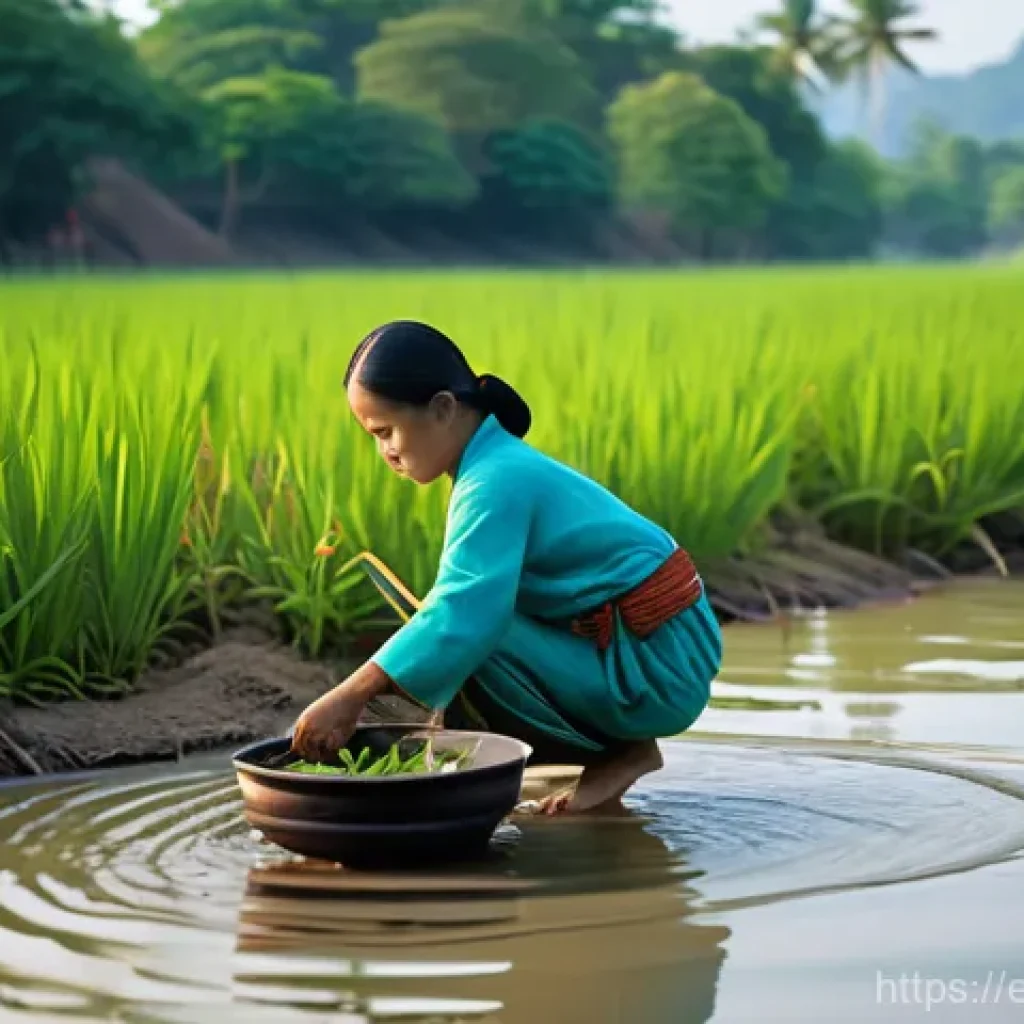
The earliest inhabitants, the Tai people, brought their agricultural wisdom from southwestern China, and that knowledge became the bedrock of cultivating rice, which is, without a doubt, the undisputed staple of Thai cuisine.
If you ask me, rice isn’t just food in Thailand; it’s a cultural symbol, representing prosperity and abundance, and I’ve seen firsthand how deeply ingrained it is in daily life.
Early Thai cooking was wonderfully straightforward, deeply connected to the land and water, relying heavily on what was readily available: fish from the rivers, an abundance of fresh vegetables, and, of course, rice.
There was a natural inclination towards stewing, baking, or grilling, simple techniques that allowed the pure flavors of indigenous ingredients to shine through.
It really makes you appreciate the simplicity and resourcefulness of those early days, doesn’t it?
Indigenous Herbs and Their Ancient Wisdom
Back then, it wasn’t just about filling your stomach; it was about nourishment and well-being. Indigenous plants like lemongrass, galangal, and kaffir lime weren’t just flavor agents; they were also prized for their medicinal properties.
I remember trying a traditional herbal soup in a small village once, and the local chef explained how each herb was chosen not only for taste but for its specific health benefits, a tradition that clearly goes back centuries.
This deep understanding of nature’s bounty is something I’ve always found incredibly inspiring in Thai cooking.
The River’s Embrace: A Fish-Focused Diet
Given Thailand’s geography, with its fertile plains and countless waterways, it’s no surprise that aquatic life played a huge role. Fish was a primary source of protein, especially since large domestic animals were far too valuable for widespread slaughter and consumption.
So, early Thai diets were quite fish-focused, supplemented by an incredible array of plant life. This reliance on fish and plants meant that the cuisine developed a lightness and freshness that still defines it today.
It’s a testament to how people adapted to their environment, creating delicious and sustainable meals.
Spice Trails and Silk Roads: A Melting Pot of Cultures
As the centuries rolled on, Thailand, or Siam as it was once known, found itself strategically positioned as a central hub on ancient trade routes. This wasn’t just about goods; it was a magnificent exchange of ideas, technologies, and, crucially for us foodies, culinary traditions!
Merchants from far-flung lands like India, Persia, and China, and later even European powers, embarked on these journeys, bringing with them a treasure trove of new ingredients and cooking methods.
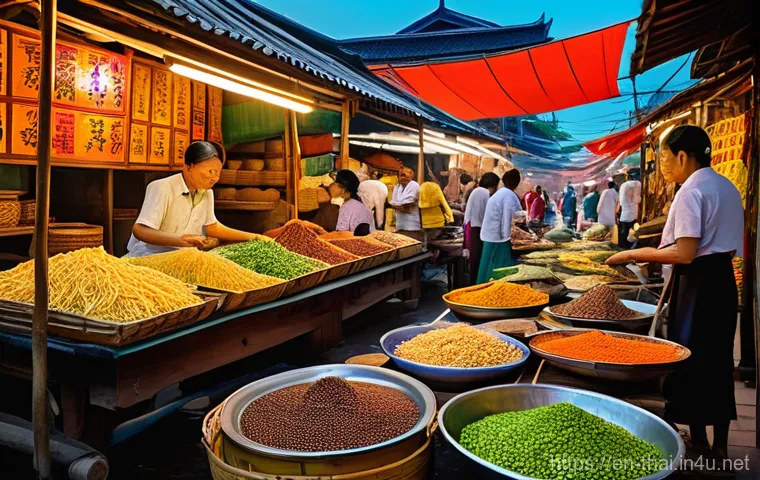
Imagine the bustling markets, overflowing with exotic spices and unheard-of fruits, all arriving on Thai shores! This cultural osmosis wasn’t a one-way street; Thai cuisine embraced these influences, skillfully adapting them to local tastes and available ingredients.
It truly transformed what was already delicious into something profoundly unique and complex. I think of it as a grand culinary experiment, where every new arrival added a surprising, delightful twist.
The Enduring Chinese Legacy in the Wok
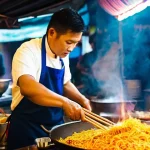
Chinese immigrants, arriving in significant numbers, left an indelible mark on Thai cooking. They didn’t just settle; they brought with them revolutionary techniques like stir-frying and deep-frying, which quickly became indispensable in Thai kitchens.
Can you even imagine Thai food without a wok? I certainly can’t! Iconic dishes like Pad Thai and Khao Pad (fried rice) are direct descendants of these Chinese influences, showcasing how brilliantly Thai chefs integrated new methods with their own ingredients.
The introduction of noodles and ingredients like soy sauce from China also fundamentally shifted the culinary landscape, making staples that we now consider quintessentially Thai.
It’s fascinating how these foreign elements became so perfectly woven into the fabric of Thai identity.
Indian and Persian Aromas: Curries Take Root
The aromatic world of Indian and Persian spices also found a welcoming home in Thailand. Traders from these regions introduced the concept of curries, bringing with them a palette of dried spices like cumin, coriander, and cardamom.
While the idea might have come from afar, Thai people, with their incredible culinary ingenuity, adapted these curries, replacing ingredients like ghee with locally abundant coconut milk to create something entirely their own.
This fusion resulted in beloved dishes like Massaman Curry, a perfect blend of Thai and Muslim culinary traditions. I remember learning to make a Massaman from scratch, and the layered complexity of those spices, combined with creamy coconut milk, was just a revelation.
It perfectly illustrates how Thai cuisine can adopt and transform, making every dish a masterpiece of harmonious flavors.
From Royal Palaces to Village Hearths: The Evolution of Taste
Thai cuisine has a truly fascinating dual existence, having been nurtured in both the opulent royal courts and the humble village kitchens throughout its history.
This dynamic interplay has meant that the food we know and love today carries echoes of both refined artistry and rustic ingenuity. The royal kitchens, especially during the Ayutthaya kingdom from 1351 to 1767 CE, were veritable culinary laboratories.
Here, dishes were not just prepared; they were meticulously crafted, focusing on intricate presentation, delicate flavors, and sophisticated cooking techniques.
This tradition of royal cuisine, influenced by Khmer palace cooks, profoundly shaped the culinary identity of the central Thai plains, setting a benchmark for elegance and refinement.
I’ve always been captivated by the stories of palace chefs who could carve vegetables into breathtaking flowers – it speaks to an era where food was truly an art form, not just sustenance.
The Rise of Street Food Culture
But let’s be real, while royal cuisine sounds amazing, the heart and soul of Thai food often beat strongest on the streets! The tradition of street food, though seemingly ancient, really hit its stride and became commonplace in the 1970s, spurred by rapid urban population growth.
Before that, floating markets were the original mobile food stalls, with vendors selling food from boats for centuries. Chinese immigrants, instrumental in shaping this burgeoning culture, introduced techniques and dishes that are now street food icons, like Khao Man Gai (chicken and rice) and Pad See Ew (stir-fried noodles).
Today, stepping onto a busy street in Bangkok, I’m always amazed at the sheer variety and quality of food available. It’s a testament to the resilience and resourcefulness of Thai people, and I personally think it’s where you find some of the most authentic and delicious experiences.
Western Influences: The Arrival of the Chili
And then came the game-changer: the chili pepper! It might seem unbelievable, but this fiery ingredient, now so synonymous with Thai food, wasn’t indigenous.
It was introduced to Thailand in the 16th or 17th century by Portuguese traders who had brought it from the Americas during the Columbian Exchange. This single ingredient absolutely revolutionized Thai cooking, adding the signature spiciness that we now adore.
I often wonder what Thai food tasted like before chilies – definitely less fiery, I imagine! The Portuguese also influenced Thai desserts, with adaptations of their sweets like *foi thong* (egg yolk threads) and *sangkhaya* (custard made with coconut milk).
These influences highlight a fascinating period of culinary integration, demonstrating Thai cuisine’s incredible adaptability and openness to new flavors and ingredients from around the world.
Mastering the Symphony: The Five Flavor Balance
If you’ve ever had a really great Thai meal, you know it’s not just about one flavor; it’s a whole orchestra playing in your mouth. This isn’t accidental; it’s the result of a deeply ingrained culinary philosophy: the harmonious balance of five fundamental tastes.
I’m talking about sweet, sour, salty, bitter, and spicy. It’s this intricate dance of flavors that makes Thai food so incredibly addictive and, frankly, what keeps me coming back for more.
Every dish aims to hit these notes, creating a dynamic and complex experience that’s truly unique. It’s like a chef is composing a piece of music with ingredients, ensuring every element plays its part to create a satisfying whole.
I’ve personally spent hours trying to perfect this balance in my own kitchen, and it’s a constant learning journey!
Sweetness: The Gentle Embrace
Sweetness in Thai cooking is rarely cloying; instead, it’s a comforting anchor that rounds out the sharper flavors. It often comes from natural sources like palm sugar, which imparts a gorgeous butterscotch-like caramel note, or from the creamy richness of coconut milk and tropical fruits like pineapple or mango.
Think of the subtle sweetness in a Massaman curry or the delightful indulgence of mango sticky rice. It’s a gentle hand that prevents other flavors from becoming overwhelming.
Sourness: The Bright Zest
To cut through richness and add a refreshing zing, Thai cuisine leans heavily on sourness. Lime juice is an absolute superstar here, along with tamarind paste, which brings a deep, fruity tang, and sometimes even vinegar.
In a Tom Yum soup, it’s the invigorating sourness that really makes it pop, brightening the entire dish and waking up your palate. I find that a perfectly balanced sour element makes a dish incredibly moreish.
Salty: The Flavor Enhancer
Saltiness is crucial for enhancing all the other flavors, giving depth and a savory foundation. In Thai cooking, this usually comes from fish sauce – a potent, savory, and slightly sweet condiment that’s pretty much irreplaceable.
Shrimp paste is another key player, adding an umami punch that really boosts the overall taste. It’s not just about adding salt; it’s about adding that rich, savory dimension that makes everything taste more vibrant.
Spicy: The Fiery Kick
And then, of course, there’s the heat! Spiciness is the hallmark of Thai cuisine, a thrilling jolt that comes from a variety of chilies, whether fresh bird’s eye chilies, dried flakes, or potent curry pastes.
This isn’t just about making things hot; it’s about adding a layer of complexity and a satisfying warmth. I vividly remember my first truly spicy Som Tum – a rush of heat, followed by an explosion of other flavors.
It’s an experience you don’t forget!
Bitter & Umami: The Subtle Depths
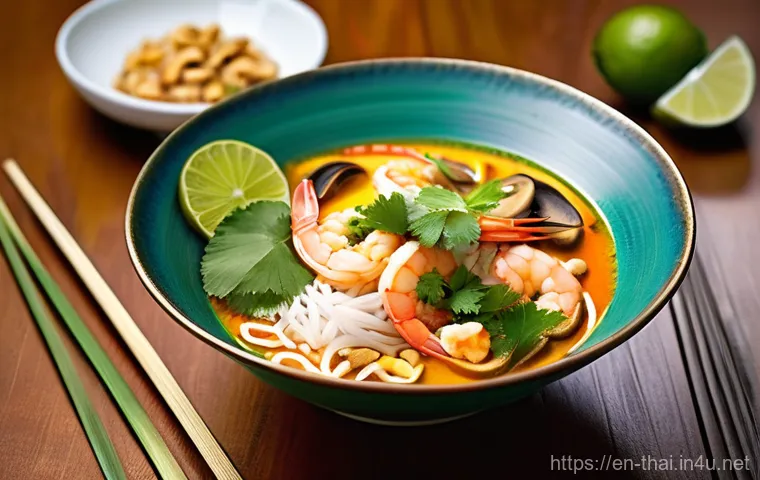
While often less prominent, bitterness plays a role in balancing the whole, often coming from certain herbs or bitter vegetables. And let’s not forget umami, that savory richness that deepens every bite.
Ingredients like shrimp paste, dried shrimp, and fermented soybean products contribute this “fifth taste,” adding a profound satisfaction to curries and stir-fries.
Together, these five elements are meticulously combined, often in a single bite, to create the incredible, unforgettable dishes we cherish. It’s a delicate art, and when done right, it’s pure magic.
Beyond the Capital: Regional Culinary Treasures
You know, it’s easy to think of “Thai food” as one monolithic thing, but after exploring the country, I can tell you that’s just not the case. Thailand is a nation of incredibly diverse landscapes and cultures, and its cuisine mirrors that beautifully.
What you eat in the cool mountains of the North is going to be wonderfully different from what you savor on the bustling streets of Bangkok or the sunny beaches of the South.
This regional variation is a testament to centuries of unique historical influences, local ingredients, and neighboring culinary traditions. It’s one of the things I love most about traveling through Thailand – every region offers a whole new adventure for your taste buds!
Northern Delights: Mild, Herbal, and Burmese-Influenced
When I visited Northern Thailand, particularly around Chiang Mai, I was struck by how different the food was. It’s generally milder than its central or southern counterparts, with a strong emphasis on fresh herbs, less coconut milk, and a preference for sticky rice.
Dishes often show influences from neighboring Myanmar (Burma) and Laos. I remember digging into a bowl of *Khao Soi*, a rich, coconut-based curry noodle soup, that perfectly exemplified the region’s unique flavor profile – a beautiful blend of tender meat, crispy noodles, and a fragrant, earthy curry.
You’ll also find delicious chili dips like *Nam Phrik Ong* and *Nam Phrik Num*, often served with an array of lightly boiled vegetables and crispy pork rinds – a textural delight!
It’s a comfort food paradise up there.
Northeastern (Isaan) Zest: Spicy, Tangy, and Lao-Inspired
My taste buds got quite the workout in the Northeastern (Isaan) region! This area, bordering Laos and Cambodia, is known for its bold, “explosive” flavors, heavy on the spice and tang.
Sticky rice is the absolute staple here, eaten with almost every meal. Isaan cuisine is famous for dishes like *Som Tum* (spicy green papaya salad), which I swear tastes better when made by a street vendor in the scorching heat.
The liberal use of fermented fish sauce (*pla ra*) gives many dishes a distinctive umami depth that you either love or, well, you learn to love! They also have incredible grilled meats like *Gai Yahng* (BBQ chicken) and *Moo Yahng* (BBQ pork) that are just phenomenal with their spicy dipping sauces.
It’s a region that doesn’t shy away from powerful flavors.
Southern Heat: Coconut, Seafood, and Malay Influences
Down in the South, where the coastline meets the Andaman Sea and the Gulf of Thailand, the cuisine takes on another character entirely. Think powerful curries, abundant use of coconut milk, and a fantastic array of fresh seafood.
There’s a noticeable influence from Malaysian and Indonesian cooking, and a significant Muslim presence in the region has also shaped the food. Dishes here often feature turmeric, which gives curries a vibrant yellow hue and distinct earthy flavor, as well as plenty of lemongrass and kaffir lime leaves.
I remember trying a yellow curry with crab there, and the combination of fresh seafood with the rich, spicy coconut sauce was just divine – a true hallmark of Southern Thai cuisine.
If you love seafood and a good kick of spice, this is your culinary haven!
The Humble Beginnings: Rice, Rivers, and Early Settlements
Before Thailand became the vibrant culinary destination it is today, its very foundations were built on the simplest yet most vital elements: rice, abundant rivers, and resourceful early settlements.
This isn’t just a historical footnote; it’s the bedrock upon which every delicious dish, every nuanced flavor, has been painstakingly constructed over millennia.
The earliest Thai people, migrating from what is now southwestern China, brought with them not just their families but also a profound understanding of agriculture, particularly rice cultivation.
This knowledge, coupled with the fertile plains of river basins like the Chao Phraya, provided the ideal conditions for rice to become the undisputed staple.
It’s hard to overstate the importance of rice – it’s not just a food source; it literally shaped communities, dictated daily routines, and formed the very core of their diet.
I mean, can you imagine Thai food without rice? I certainly can’t!
The Centrality of Rice: More Than Just a Grain
For centuries, rice has been central to Thai food culture, growing in the lush, fertile lands. The varying types of rice even define regional preferences, with sticky rice being a staple in the North and Northeast, while fragrant jasmine rice is king in the central and southern parts of the country.
This isn’t just about what they *eat*; it’s about how they *live*. I’ve often seen how rice farming dictates the rhythm of life in rural areas, a tradition stretching back to these ancient beginnings.
This agricultural heritage taught people to have a deep relationship with the land and its cycles, influencing everything from planting seasons to festive celebrations centered around the harvest.
It makes you realize how truly connected food is to culture.
Forging a Diet from the Land and Water
Early Thai people were expert foragers and cultivators, relying heavily on the natural bounty around them. Their diet was a harmonious blend of what the land and rivers offered: a rich variety of vegetables, herbs, and fish.
Meat, other than aquatic animals, was not as common as it is today; domestic animals were too valuable for labor or other resources to be frequently slaughtered for food.
This led to a cuisine that was inherently light, fresh, and exceptionally flavorful, making ingenious use of herbs and spices to elevate simple ingredients.
I think this resourcefulness is a beautiful aspect of Thai culinary history – it’s about making the most of what you have, and creating something truly special from it.
This foundation of local, fresh ingredients is still a cornerstone of authentic Thai cooking, and it’s something I always look for when I’m trying a new dish.
Global Appetite, Ancient Roots: Thai Food Today
It’s absolutely wild to think about how far Thai food has come. From those humble beginnings in ancient Sukhothai, influenced by a blend of neighboring cultures and trade routes, it has blossomed into one of the world’s most beloved and recognized cuisines.
In fact, Thai food consistently ranks among the top international cuisines, a true global superstar. What began as local sustenance, prepared in simple ways, has now captivated palates across continents, gracing tables from Michelin-starred restaurants to bustling street markets in every major city.
It’s been amazing to witness its global rise, and frankly, I’m thrilled that more people get to experience these incredible flavors.
A Modern Culinary Ambassador
Today, dishes like Tom Yum Kung, Pad Thai, and Massaman Curry are not just meals; they are culinary ambassadors for Thailand, celebrated for their unique blend of sweet, sour, salty, and spicy notes.
These iconic dishes showcase the delicate balance and intricate flavors that define Thai cooking, proving that ancient traditions can transcend borders and captivate a global audience.
I’ve heard stories of people traveling to Thailand specifically to try these dishes in their authentic setting, and honestly, I get it – there’s nothing quite like the real thing!
The continuous evolution, incorporating global influences while staunchly preserving its traditional roots, is what makes Thai cuisine so incredibly special and enduring.
It’s a testament to the chefs, both grand and humble, who keep these traditions alive while also innovating.
The Enduring Legacy of Balance and Freshness
Despite its global reach, the core philosophy of Thai food – that meticulous balance of the five flavors and the reliance on fresh, aromatic ingredients – remains unwavering.
Whether you’re in a high-end restaurant or grabbing a quick bite from a street vendor, the principles of harmony and contrast are still at play. This commitment to fresh herbs, spices, and sauces, combined with traditional cooking methods, ensures that every dish, regardless of its modern interpretation, still tastes authentically Thai.
It’s something I deeply admire about the cuisine; it’s managed to stay true to itself while conquering the world. The world’s growing appetite for Thai food has also fueled a thriving export industry, making authentic ingredients more accessible globally.
Here’s a little overview of some key historical influences that shaped the Thai food we adore today:
| Period/Influence | Key Contributions | Example Dishes/Ingredients |
|---|---|---|
| Ancient Tai People (Pre-Sukhothai) | Indigenous ingredients, reliance on rice, fish, vegetables; stewing, baking, grilling methods. | Rice (staple), fresh herbs (lemongrass, galangal, kaffir lime), fish-based diet. |
| Chinese Immigration (Ayutthaya Period onwards) | Stir-frying, deep-frying techniques; noodles, soy sauce. | Pad Thai, Khao Pad (fried rice), Pad See Ew, use of woks. |
| Indian/Persian Traders | Introduction of curry concepts, dried spices (cumin, coriander, cardamom); use of coconut milk. | Massaman Curry, various Thai curries adapting Indian spices. |
| Portuguese (16th-17th Century) | Introduction of chili peppers from the Americas; influence on certain desserts. | Signature spiciness in Thai food, Foi Thong (egg yolk threads), Sangkhaya (custard). |
글을 마치며
And there you have it – a culinary journey through the heart of Thailand, from the simple rice-based diets of ancient Sukhothai to the complex, globally adored dishes we cherish today. It’s truly fascinating to see how trade, migration, and sheer ingenuity have shaped a cuisine that’s so much more than just food; it’s a vibrant tapestry woven from centuries of history. Every bite is a story, a testament to resilience, adaptability, and an unwavering commitment to incredible flavor. I hope this deep dive inspires you to explore Thai food with a newfound appreciation for its incredible heritage.
알아두면 쓸모 있는 정보
1. When you’re trying a new Thai dish, don’t be shy about asking your server about the regional origin! Knowing if it’s a Northern, Isaan, Central, or Southern dish can totally change your expectation of flavor profile – North often being milder and herbal, Isaan intensely spicy and tangy, Central well-balanced, and South leaning into rich coconut and seafood. It’s like unlocking a secret level of appreciation. Trust me, it makes the experience so much richer, and you might even discover a new favorite region to explore through food.
2. Ever wondered why some Thai dishes taste so utterly unique? Often, it’s the secret weapon of homemade curry pastes. While store-bought pastes are convenient, the true depth of flavor in many traditional Thai curries comes from fresh, hand-pounded ingredients like galangal, lemongrass, kaffir lime zest, and chilies. If you ever get the chance, try making a paste from scratch or seek out a restaurant that prides itself on making its own – you’ll taste the difference immediately, a vibrant freshness that truly elevates the dish.
3. Don’t underestimate the power of fish sauce! This seemingly humble condiment is the backbone of Thai savory cooking, providing a crucial salty, umami depth that is irreplaceable. Many home cooks try to substitute with soy sauce, but it just isn’t the same. High-quality fish sauce should be clear, reddish-brown, and have a rich, savory aroma, not an overpowering “fishy” smell. Investing in a good bottle for your pantry will instantly elevate your homemade Thai dishes, bringing them closer to authentic restaurant quality.
4. Thai cuisine is all about balance, remember the five flavors? So, when you’re eating, feel free to customize! It’s perfectly acceptable to add a little extra chili flakes for heat, a squeeze of lime for more sourness, a dash of fish sauce for salt, or a spoonful of sugar for sweetness to your own plate. Thai dining is a very interactive experience, and personalizing your meal to hit your perfect flavor notes is part of the fun. I always keep an eye out for the condiment caddy at the table – it’s your best friend!
5. If you’re looking to truly immerse yourself, consider taking a Thai cooking class, especially if you ever visit Thailand! It’s an incredible way to learn about the ingredients, techniques, and philosophy behind the food firsthand. I’ve done a few, and not only do you get to enjoy the delicious results of your labor, but you also gain a deeper cultural understanding and some fantastic new skills to impress your friends back home. Plus, it really highlights the passion and precision that goes into every dish.
중요 사항 정리
To truly grasp the magic of Thai food, we’ve traced its path from the indigenous wisdom of the Tai people, cultivating rice and relying on the land’s bounty, through the bustling trade routes that brought Chinese stir-frying, Indian curries, and Portuguese chilies. This journey shows a cuisine that is incredibly adaptable, constantly evolving while always honoring its core principles. The foundational elements, like the essential role of rice and fish, combined with the groundbreaking influences from various cultures, have sculpted a diverse culinary landscape.
The mastery of the “five flavors” – sweet, sour, salty, bitter, and spicy – remains the ultimate goal in every authentic Thai dish, creating a symphony for the senses that few cuisines can rival. It’s this delicate yet dynamic balance that keeps us coming back for more. Furthermore, understanding the distinct regional differences, from the mild and herbal Northern fare to the fiery, tangy Isaan specialties and the coconut-rich Southern curries, opens up a whole new world of exploration. Each region tells a unique story through its ingredients and cooking styles, reflecting its history and geography. This rich heritage, combined with its modern global appeal, underscores why Thai food isn’t just a meal; it’s a profound cultural experience.
Frequently Asked Questions (FAQ) 📖
Q: When did Thai cuisine really start? How ancient are its roots?
A: Oh, that’s a fantastic question, and one I’ve pondered many times myself while enjoying a delicious meal! You know, it’s not like Thai cuisine just popped up overnight.
Its story is deeply intertwined with the history of the Thai people themselves, stretching back thousands of years. We’re talking about early communities in what is now Thailand, cultivating rice and using local ingredients long before the Sukhothai Kingdom even emerged.
Imagine, even back then, they were already mastering techniques like fermenting fish (that’s where pla ra comes from!), drying and preserving foods, and experimenting with herbs and spices.
While the distinct “Thai food” we recognize today truly began to take shape during the Sukhothai and Ayutthaya periods with more complex dishes, the foundational elements – the rice, the herbs, the fish – have been central for millennia.
It’s truly incredible to think about how those ancient traditions still influence the dishes we love today, right down to the sticky rice on our plates.
Q: What were the biggest foreign influences that shaped traditional Thai food?
A: This is where it gets really juicy and shows just how much of a melting pot Thai cuisine truly is! From my own culinary explorations, I’ve found that Thai food is like a delicious historical document, showing layers of influence from various cultures.
Initially, it was heavily influenced by India, bringing in spices like turmeric and cardamom, and the concept of curries. Then came China, introducing stir-frying techniques, noodles, and ingredients like tofu and soy sauce.
That’s a huge one! Later on, during the Ayutthaya period, trade with Portugal, Persia, and even Japan brought new ingredients and cooking methods. For instance, did you know that the use of chilies, which we can’t imagine Thai food without, actually came from Portuguese traders who brought them from the Americas?
Mind-blowing, right? And even some of the creamy, coconut-milk based dishes might have roots influenced by the Indian subcontinent. It’s truly a testament to Thailand’s openness to trade and cultural exchange that its food became such a rich fusion.
Q: Does traditional Thai food vary a lot by region, and if so, how?
A: Absolutely, and this is one of the most exciting aspects of exploring Thai food! When I first started diving deeper than just the usual Pad Thai and Green Curry, I was amazed by how distinct the regional cuisines are.
It’s not just a subtle difference; it’s like discovering entirely new worlds of flavor! In the North, for example, influenced by neighboring Laos and Myanmar, you’ll find sticky rice as the staple, less coconut milk, and dishes that are often milder or more bitter, like khao soi (my personal favorite for a comforting, hearty meal!) or gaeng hang lay.
Move to the Northeast (Isaan), and prepare for a much spicier, bolder experience with som tum (papaya salad) and grilled meats, often with fermented fish (pla ra) for that unique umami punch.
Central Thai cuisine is probably what most people are familiar with – that beautiful balance of sweet, sour, salty, and spicy, using more refined techniques and a wider array of ingredients, like the classic Tom Yum Goong.
And then down South, you’ll encounter a heavy influence from Malaysia and India, with richer, spicier curries, a greater emphasis on fresh seafood, and a more generous use of turmeric and coconut milk.
Each region tells its own story through its food, making every culinary adventure across Thailand a truly unforgettable experience!