Walking through Thailand during festival season is an absolute sensory explosion – the vibrant colors, the enchanting music, the irresistible aromas of street food, and the incredible warmth of the people.
Trust me, I’ve been lucky enough to experience it firsthand, and it’s something you never forget. These aren’t just parties; they’re deeply meaningful rituals, centuries in the making, that tell the story of a nation.
Have you ever paused to think about what truly inspired these breathtaking spectacles, like the release of sky lanterns or the water blessings? You’re about to discover the ancient secrets and rich history behind Thailand’s most cherished traditional festivals, so let’s dive right in!
The Heartbeat of the Kingdom: Unpacking Loy Krathong’s Mystical Glow
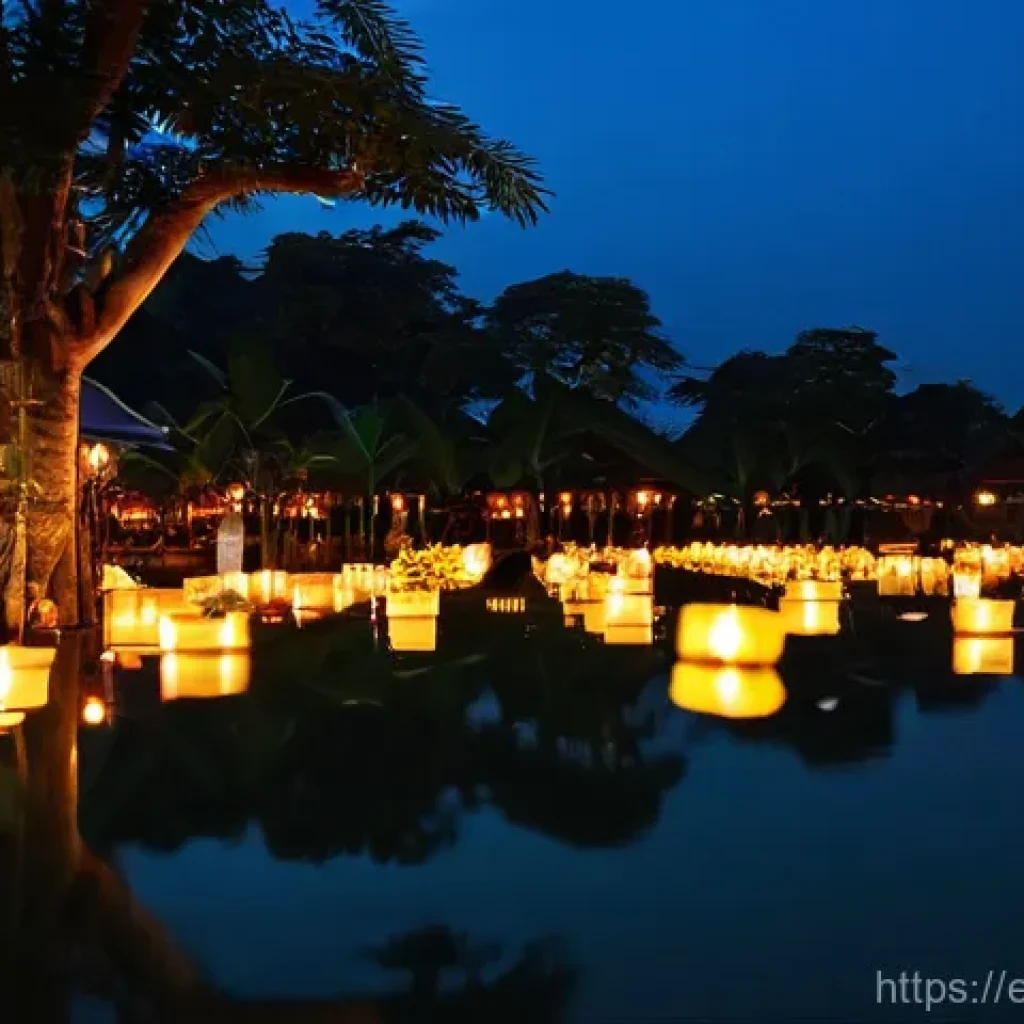
Ah, Loy Krathong! If you’ve never been to Thailand in November, you’re truly missing out on one of the most breathtaking sights you can possibly imagine. I vividly remember my first time, standing by the Ping River in Chiang Mai, the air thick with anticipation. As dusk settled and the evening lights began to twinkle, thousands upon thousands of little floats, each a miniature work of art, started to dot the water, carrying tiny flickering candles into the gentle current. It honestly felt like watching a galaxy reflected on the surface of the earth, a truly humbling and utterly magical experience. This isn’t just about pretty lights; it’s a profound act of respect, a symbolic letting go of grudges and misfortunes, and a heartfelt prayer for good luck in the coming year. The sheer collective intention of it all, that shared moment of hope and reverence, is what really stays with you long after the lights fade. It’s hard to put into words, but there’s a palpable sense of peace and renewal in the air, a spiritual cleansing that makes you feel incredibly connected to the culture and the wonderfully warm people around you. Every year, I find myself thinking back to that night, and the feeling of utter enchantment still gives me chills. It’s a tradition that truly embodies the gentle spirit of the Thai people, offering a precious glimpse into their deep respect for nature and their beautiful spiritual beliefs.
Crafting Your Own Krathong: A Personal Touch
One of my absolute favorite parts of Loy Krathong, something I insist you try if you ever go, is the chance to get hands-on and make your own krathong. I’ve tried it a couple of times now, and while my humble creations are never quite as intricate as the ones you can buy from skilled vendors, there’s something incredibly rewarding about the process itself. Typically, you’ll use a slice of a banana tree trunk as the base, then meticulously decorate it with intricately folded banana leaves, vibrant fresh flowers, fragrant incense sticks, and a small, delicate candle. I remember one year, I spent an entire afternoon with a wonderfully patient local family who gracefully taught me the delicate art of folding the banana leaves just so. It was tougher than it looked, believe me, but the immense pride I felt when my humble little float was finally complete was immeasurable. It’s not just about the crafting; it’s about the intention and heartfelt wishes you pour into it. You’re literally shaping your hopes and dreams into this small vessel, and when you finally release it onto the water, there’s a real, tangible sense of personal connection to the tradition. Trust me, making your own krathong transforms the entire experience, making it so much more meaningful than simply purchasing one. It truly transforms you from a mere observer into an active, invested participant, and that’s where the real magic, the true essence of the festival, happens.
The Silent Wishes on the Water: What it Really Means
So, you’ve got your beautiful krathong, the candle is lit, and you’re standing at the water’s edge, ready to send it off. But what’s truly going on beneath the surface of this stunning spectacle? Loy Krathong, at its very core, is a deeply respectful way to pay homage to Phra Mae Khongkha, the revered Goddess of Water. It’s an apology for any pollution or misuse of the rivers throughout the year, and a heartfelt thank you for providing life-giving water so abundantly. But beyond that, it’s also intensely personal. As you gently push your krathong into the current, you’re supposed to make a silent wish and, perhaps more importantly, let go of any negativity, grudges, or bad luck from the past year. I’ve seen countless people close their eyes, whispering earnestly as their little light slowly drifts away into the night. There’s a quiet solemnity to it all, even amidst the surrounding festive atmosphere. It’s a powerful, symbolic act of cleansing and profound renewal. When my krathong finally caught the gentle current and slowly sailed downstream, symbolically taking my worries with it, I felt a genuine and profound sense of peace wash over me. It’s not just a beautiful photo opportunity, though it certainly is that; it’s a profound moment of reflection and hope, a cultural practice that resonates deeply with the universal human desire for a fresh start and a clear conscience. It’s a testament to how ancient beliefs continue to shape and enrich contemporary life in Thailand, year after year.
When Water Becomes Blessing: The Pure Joy of Songkran
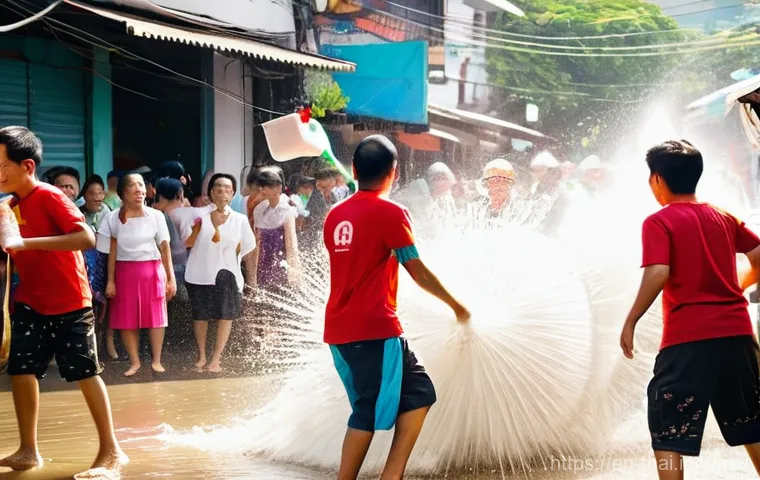
Forget everything you think you know about traditional festivals when it comes to Songkran. This isn’t just a simple party; it’s a full-blown, country-wide water fight that somehow manages to be both incredibly chaotic, exuberantly joyful, and deeply spiritual all at once. I’ve had the absolute privilege of experiencing Songkran firsthand in Bangkok, and let me tell you, it’s an absolute blast from start to finish. From the very moment you step out the door onto the streets, you’re fair game for a drenching. Buckets of water, powerful water guns, and even garden hoses are all part of the joyous arsenal. The streets instantly transform into a playful anarchy, filled with infectious laughter, excited shouting, and the constant, refreshing splash of water. You might think it sounds utterly overwhelming, but there’s a genuine warmth and camaraderie to it that’s impossible to resist. Everyone, from the tiniest toddlers giggling with their squirt guns to the oldest grandparents patiently waiting to douse passersby, participates with such infectious enthusiasm. It’s truly impossible not to get completely swept up in the contagious joy. I vividly remember one elderly woman, perched on a stool outside her small shop, patiently waiting to douse anyone who passed by with a smile that could easily light up the entire street. It’s more than just fun; it’s a profound cultural moment where everyone lets loose, sheds their inhibitions, and connects in a truly unique way. You’ll be soaked to the bone, I guarantee it, but your heart will be full to bursting with happiness.
Diving Headfirst: My First Songkran Splash
My very first Songkran was, without exaggeration, a baptism by fire – or rather, by an incredible deluge of water. I had certainly heard stories, of course, but absolutely nothing truly prepares you for the sheer scale and intensity of it all. I made the classic rookie mistake of wearing clothes I actually wanted to keep dry – never again! Within mere minutes of stepping out of my hostel and onto the bustling street, I was completely drenched, laughing hysterically as a mischievous group of kids ambushed me with their super soakers from every direction. I quickly learned the essential ropes: embrace the wetness with open arms, invest in a good quality waterproof phone case, and, most importantly, arm yourself with your own formidable water weapon! I promptly bought a surprisingly powerful water gun from a friendly street vendor and gleefully joined the fray. It was utterly exhilarating, a full day of running, laughing until my sides hurt, and playfully drenching perfect strangers. The intense heat of April in Thailand makes the cold splashes incredibly refreshing and welcome, and there’s a unique sense of camaraderie that instantly develops when everyone is equally soaked and having the absolute time of their lives. It felt like stepping into a giant, joyful playground where everyone was on the same team, united by the simple, universal pleasure of a massive water fight. That day, I didn’t just participate in a festival; I truly became part of a collective memory, a shared moment of pure, unadulterated joy that I’ll cherish forever. It really taught me to just let go of everything and live fully in the moment.
Beyond the Fun: The Spiritual Side of the Water Festival
While the exuberant water fights are undoubtedly the most famous and visible aspect of Songkran, it’s crucial to remember that at its very heart, this festival is deeply spiritual and reverent. Songkran marks the traditional Thai New Year, and the water isn’t solely for playful fun; it’s profoundly symbolic. Traditionally, Thais embark on meaningful visits to temples to offer food to revered monks, gently pour scented water over sacred Buddha statues, and respectfully sprinkle water on the hands of elders to show deep respect and receive their blessings. This ritualistic water pouring is steeped in ancient belief, thought to wash away sins and lingering bad luck, ushering in a fresh, clean, and auspicious start for the new year. I had the profound opportunity to witness some of these quieter, more reverent traditions in a local temple, and it was a beautifully serene contrast to the riotous exuberance of the street parties. Seeing families quietly engaging in these time-honored rituals really underscored the dual, rich nature of Songkran: a time for riotous, joyous celebration, but also a profound moment for spiritual cleansing, family bonding, and deep reflection. It’s a testament to the Thai people’s remarkable ability to seamlessly blend ancient, sacred traditions with contemporary revelry, creating a festival that is both wildly entertaining and profoundly meaningful. Understanding this deeper layer truly enhances the entire experience, making every splash feel even more significant and connected to something much larger than yourself.
Beyond the Fireflies: Tales from Yee Peng’s Luminous Nights
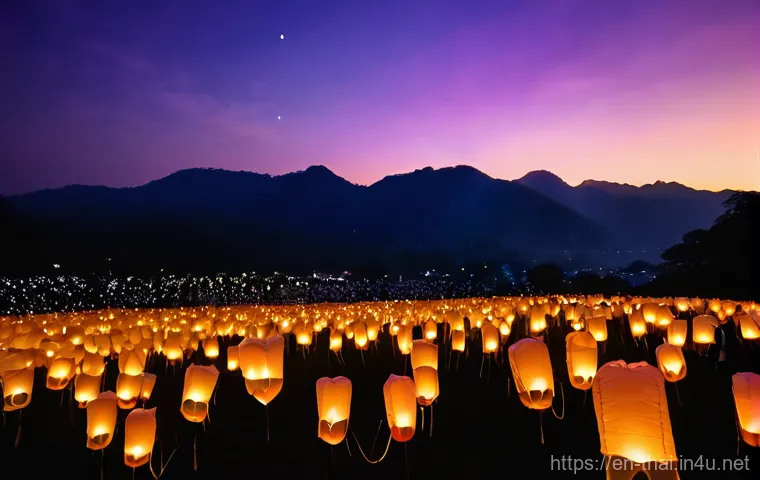
If Loy Krathong is exquisitely beautiful, then Yee Peng, often celebrated around the same time, is simply ethereal, a sight that feels almost otherworldly. This distinct festival, primarily celebrated with breathtaking grandeur in Northern Thailand, especially around the magical city of Chiang Mai, is perhaps the most visually stunning event I have ever, ever witnessed in my entire life. Imagine, if you can, thousands upon thousands of illuminated lanterns, known as ‘khom loi,’ gracefully ascending into the velvety night sky, each one carrying the silent wishes and heartfelt prayers of countless people below. It truly looks like the stars have decided to descend and then ascend again in a slow, majestic dance, creating a breathtaking, moving canopy of light that stretches endlessly. The very first time I saw it, I honestly choked up a little; it was that powerful. The sheer scale and overwhelming beauty are almost too much to process, but it’s also an incredibly peaceful and unifying experience. There’s a collective gasp as the first few lanterns manage to float up, followed by a hushed reverence that settles over the crowd as the sky slowly fills with their gentle glow. The soft, gentle rustle of the paper lanterns, the mesmerizing soft glow, the quiet murmur of the awe-struck crowd – it all combines to create an atmosphere that feels almost sacred, something truly spiritual. It’s a moment that utterly transcends language and cultural barriers, touching something deep and primal within your very soul. Every single person there, myself absolutely included, seemed to be holding their breath, completely captivated by the fleeting, incandescent magic unfolding above us. It’s an experience that’s indelibly etched into my memory, a powerful reminder of the incredible beauty, hope, and collective aspiration that humanity can create when united.
That Moment the Lanterns Rise: An Unforgettable Sight
The anticipation leading up to the mass lantern release at Yee Peng is almost as powerful and electrifying as the release itself. People gather for what feels like hours, carefully preparing their khom loi, meticulously writing their innermost wishes and hopes on the delicate paper, and patiently waiting for the signal that will set them free. I vividly remember finding a perfect spot on the outskirts of the main release field, my own carefully prepared lantern clutched firmly in my hands, a nervous but exhilarating excitement bubbling inside me. When the countdown finally began, and then the collective roar of the crowd transformed into a soft, reverent murmur as everyone began to light their lanterns simultaneously, it was truly something else, a moment that felt almost preordained. The intense heat from the small flame pushing against the thin paper, the careful, delicate struggle to get it just right, and then, that magical, breathtaking moment when it finally catches the air and begins its slow, steady, majestic ascent. My lantern floated up alongside thousands of others, becoming just one tiny, flickering star in an ever-expanding, living galaxy above. Watching it drift higher and higher, a small but significant point of light against the vast, dark expanse of the night, carrying my unspoken hopes with it, was an incredibly moving and profound experience. It’s a powerful visual metaphor for letting go of troubles, releasing your burdens, and sending your deepest aspirations out into the universe. It’s a shared, communal prayer, a collective act of hope, and the feeling of unity and connection in that moment is truly profound and unforgettable.
Ethical Lantern Releasing: Doing it Right
While the sheer, undeniable beauty of Yee Peng is truly undeniable, it’s also incredibly important for all of us to be mindful of responsible tourism and, crucially, its environmental impact. In recent years, there’s been a growing and very necessary awareness around the potential hazards of khom loi, particularly those lanterns made with wire frames, which can sadly harm local animals or inadvertently cause devastating fires when they fall back to earth. Thankfully, many conscientious organizers, especially at the larger, official events that attract visitors, are now actively promoting and even requiring the use of eco-friendly lanterns made from fully biodegradable materials and, importantly, without any wire components. When I attend, I always make sure to source my lantern from reputable vendors who can confidently assure me of their environmental responsibility and safety standards. It’s all about being a conscious and respectful traveler, actively participating in a way that cherishes the tradition without causing harm. If you plan to participate, please do your research, support local initiatives that prioritize both safety and sustainability, and always, always follow local guidelines. Some areas may have specific times or designated zones for releasing lanterns to minimize any potential risks. It’s about preserving the magic and integrity of this cherished tradition for future generations, ensuring that our celebrations don’t come at a devastating environmental cost. Being mindful allows us to truly appreciate the profound beauty of Yee Peng while also respecting the stunning natural environment of Thailand, which is a small effort that makes a huge, positive difference in keeping this tradition truly special and safe for everyone.
Whispers of the Past: How Ancient Beliefs Shape Today’s Festivities
It’s incredibly easy to get completely caught up in the sheer spectacle, vibrant colors, and infectious joy of Thailand’s festivals, but what truly fascinates me, personally, is peeling back the layers to discover the deep-rooted ancient beliefs and traditions that still beat so strongly at their very heart. These aren’t just modern-day parties or grand displays; they are living, breathing manifestations of centuries of history, rich animist beliefs, profound Hindu influences, and the gentle, pervasive wisdom of Buddhist teachings. Every single ritual, every heartfelt offering, every symbolic act, no matter how small, has a compelling story behind it, often deeply rooted in an agrarian society’s profound connection to nature and an innate desire to appease powerful spirits and ensure bountiful harvests. I distinctly remember chatting with a wise local elder during a smaller, more intimate village festival, and he patiently explained how certain specific offerings were meticulously prepared and presented specifically for the ‘guardian spirits’ of the land. Hearing him speak with such conviction, it powerfully struck me how seamlessly these ancient worldviews are intricately woven into the very fabric of daily life, particularly during moments of celebration. It’s almost as if these festivals act as precious cultural time capsules, allowing us to connect directly with the very essence of what it truly means to be Thai. Understanding these foundational, deeply spiritual elements really elevates the entire experience beyond mere observation; it allows you to deeply appreciate the immense depth, reverence, and profound meaning behind the vibrant colors and joyous sounds. It’s a truly humbling and eye-opening experience to witness such enduring faith and tradition in action.
Gods, Spirits, and Harvests: The Roots of Celebration
Many of Thailand’s most beloved and cherished festivals trace their fundamental origins back to ancient agricultural cycles and deeply ingrained animistic beliefs, practices that predate even the widespread adoption of Buddhism in the region. Think about it for a moment: a society critically dependent on the success of rice cultivation would, quite naturally, develop intricate rituals to honor the benevolent water spirits, the fertile earth spirits, and even the very spirits of the rice itself, all in the hope and prayer for good rains, protection from pests, and ultimately, abundant yields. Loy Krathong, for instance, has incredibly strong ties to paying deep respect to the revered water goddess, Phra Mae Khongkha, ensuring clean water and promising good fortune for the year ahead. Songkran’s traditional aspect of gently pouring water on elders and sacred Buddha images is an evolved, localized interpretation of ancient water purification rituals that originated in India, thoughtfully adapted to local beliefs about symbolically washing away negativity and impurities for the new year. Even the visually stunning Yee Peng, with its mesmerizing sky lanterns, carries profound echoes of ancient practices to pay homage to the Buddha and symbolically release bad omens into the heavens. What I find truly incredible and endlessly fascinating is how these diverse threads – ranging from deeply ancient animism to rich Hinduism and the pervasive influence of Buddhism – have intricately intertwined over countless millennia to create the incredibly rich and vibrant tapestry of festivals we are so lucky to witness today. It’s a beautiful, complex blend of reverence for nature, spiritual aspiration, and strong community bonding, reflecting a deep respect for the unseen forces that profoundly govern life.
A Living History: How Tradition Evolves
It’s sometimes easy, I think, to imagine these time-honored traditions as static, unchanging relics of a distant past, perfectly preserved and untouched by time. However, what I’ve personally observed, and what I find so compelling, is a dynamic and fascinating evolution at play. While the core meanings and spiritual underpinnings remain remarkably constant, the way these festivals are celebrated subtly, yet significantly, shifts with each passing generation. For example, while the spiritual aspects of Songkran are still paramount and deeply respected, the exhilarating water fights have undeniably become a huge draw for both international tourists and younger local generations, adding a vibrant new layer of modern revelry to the ancient celebration. Similarly, the commercial aspects that now surround these festivals, like the beautifully crafted, ready-made krathongs or the highly organized, large-scale Yee Peng events, clearly demonstrate how traditions gracefully adapt to new contemporary contexts and economic realities. What’s truly crucial and reassuring, though, is that this evolution often happens organically, with communities finding innovative and heartfelt new ways to express profound old beliefs. I’ve personally seen local communities ingeniously innovate, incorporating elements that resonate deeply with contemporary life while still meticulously preserving the fundamental essence of the festival. It’s a powerful testament to the resilience, adaptability, and enduring spirit of Thai culture. This constant, fascinating interplay between the ancient and the vibrantly modern ensures that these festivals aren’t just historical reenactments but incredibly vibrant, living celebrations that continue to hold profound meaning and deep relevance for the Thai people, year after year. It’s a living, breathing history, unfolding dynamically right before our very eyes, and it’s absolutely fascinating to witness and be a part of.
To help you get a quick overview of some of these incredible celebrations, here’s a little table I put together:
| Festival Name | Approximate Time | Main Activities & Significance |
|---|---|---|
| Loy Krathong | November (Full Moon) | Release floating krathongs on water to honor water goddess, release bad luck, make wishes. Celebrated nationwide. |
| Songkran | April 13-15 | Thai New Year. Water fights, visiting temples, pouring water on Buddha images and elders for blessings. Nationwide celebration. |
| Yee Peng (Yi Peng) | November (Full Moon, often coinciding with Loy Krathong) | Northern Thailand’s unique lantern festival. Release ‘khom loi’ (sky lanterns) into the night sky. Primarily Chiang Mai. |
| Phuket Vegetarian Festival | September/October (9th lunar month of Chinese calendar) | Also known as the Nine Emperor Gods Festival. Taoist celebration for purification; extreme rituals like piercing. Primarily Phuket. |
Taste, Touch, and Tradition: Savoring Festival Delights
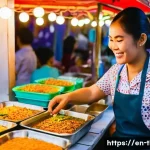
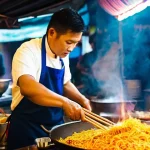
Beyond the truly spectacular sights and the profound spiritual acts, Thai festivals are, without a doubt, an absolute feast for all the senses, especially your incredibly fortunate taste buds! You simply haven’t truly, authentically experienced a Thai festival until you’ve plunged headfirst into the mind-blowing, delicious world of street food that accompanies these incredible celebrations. It’s not just an afterthought; it’s an integral, essential part of the entire experience, a culinary journey that perfectly complements the visual and spiritual wonders unfolding around you. I’ve always personally found that food acts as a beautiful and powerful bridge, connecting you directly to the local culture in a very direct, tangible, and, most importantly, delicious way. The air around festival grounds becomes thick, rich, and utterly intoxicating with irresistible aromas – spicy curries that make your nose tingle, wonderfully sweet treats that melt in your mouth, sizzling grilled meats cooked to perfection, and exotic, juicy fruits that burst with flavor. It’s a symphony of smells, a fragrant trail that effortlessly guides you from one bustling stall to another, each offering a new and exciting adventure for your eager palate. Walking through these vibrant, bustling markets, trying a little bit of everything that catches your eye, is, for me, just as memorable and exciting as watching the lanterns float silently or participating in a boisterous water fight. It’s about so much more than just satisfying hunger; it’s about experiencing the incredible warmth, generosity, and genuine hospitality of the Thai people through their exquisite food, and trust me, they know exactly how to put on a culinary spread that’ll leave you craving more long after you’ve left.
Street Food Adventures: My Favorite Festival Bites
Oh my goodness, where do I even begin with the absolutely incredible world of Thai festival food? My mouth is literally watering just thinking about it all! During Loy Krathong, I absolutely fell head over heels in love with ‘Khanom Krok,’ these impossibly crispy yet wonderfully soft coconut pancakes cooked in a special cast-iron pan, served warm and perfectly sweet. They’re a little bite of heaven! And you simply cannot, under any circumstances, go to a Thai festival without trying some of the glorious grilled skewers – ‘Moo Ping’ (perfectly marinated pork skewers) or ‘Gai Yang’ (succulent grilled chicken) are always incredibly good, marinated to perfection in a secret blend of spices and cooked expertly over glowing charcoal, giving them that utterly irresistible smoky flavor. During Songkran, when you’re constantly burning calories from all the joyous splashing and running around, refreshing treats like ‘Khao Niao Mamuang’ (the iconic mango sticky rice) become an absolute, non-negotiable necessity. The sweet, ripe mango paired with perfectly cooked, coconut-infused sticky rice is pure, unadulterated heaven in a bowl. I also serendipitously discovered ‘Tod Man Pla,’ incredibly flavorful fish cakes, during a small, charming local temple fair – an unexpected culinary gem that I still dream about! And for those with an insatiable sweet tooth, there are countless, mesmerizing varieties of ‘Khanom Thai,’ traditional Thai desserts, often made with rich coconut milk, fragrant pandan, and vibrant, natural dyes that create stunning colors. Each bite is a little explosion of authentic flavor, a testament to the incredible culinary artistry and ingenuity of Thailand. It’s not just mere food; it’s a vibrant, delicious part of the cultural storytelling, and honestly, it’s one of the main, compelling reasons I keep happily coming back for more.
The Rhythms and Sounds: Music That Moves You
While the spectacular visual and tantalizing culinary aspects often tend to steal the show, please don’t underestimate the profound and captivating power of sound in Thai festivals. The air is always wonderfully alive with music, from the hauntingly beautiful traditional folk melodies played on intricate, traditional instruments to the upbeat, infectious modern pop hits blasting joyfully from street stalls and makeshift sound systems. During Loy Krathong, for example, you might hear the gentle, soothing strains of traditional Thai classical music, sometimes delicately accompanied by melodic singing, creating a serene and contemplative backdrop to the thousands of floating lights on the water. Songkran, on the other hand, is a joyful cacophony of exuberant noise – peals of laughter, excited shouting, and upbeat, high-energy pop music that makes you want to instinctively dance even when you’re completely drenched from head to toe. I vividly remember walking through a bustling temple fair during a smaller, more regional festival and happily stumbling upon an impromptu ‘likay’ performance, a wonderfully traditional folk theatre complete with vibrant, shimmering costumes, exaggerated, expressive movements, and incredibly lively, infectious music. It was an impromptu, captivating show that totally mesmerized me! The rhythmic, hypnotic drumming, the soaring, emotional vocals, and the palpable, communal energy of the engaged audience were absolutely infectious and truly unforgettable. These sounds aren’t just mere background noise; they are the pulsating, living soundtrack to the celebrations, deeply intertwined with the emotions, actions, and activities of the very moment. It’s an intensely multisensory experience, and the music really amplifies the powerful feeling of being fully, joyfully immersed in the vibrant heart of Thai culture itself.
Navigating the Crowds: My Tips for an Unforgettable Festival Trip
Okay, let’s get real for a practical moment. As utterly magical, enchanting, and undeniably breathtaking as Thai festivals are, they can also be incredibly, incredibly crowded, especially the big, famous ones in popular urban areas like bustling Bangkok or the charming city of Chiang Mai. But please, don’t let that slight deterrent even begin to deter you! With just a little bit of savvy planning and the right, flexible mindset, you can absolutely have an amazing, wonderfully stress-free, and profoundly memorable experience. I’ve personally learned a few things the hard way, like foolishly trying to navigate crowded public transport during peak Songkran season with a non-waterproof bag – never, ever again! So, I’m here, happily, to share some of my hard-earned wisdom, accumulated over several trips, to help you make the absolute most of your incredible festival journey. It’s all about thoughtful preparation, a generous dose of patience, and a genuine willingness to simply go with the vibrant flow of things. These festivals are immense, incredibly vibrant cultural events, and part of their undeniable charm is the sheer number of people joyfully coming together to celebrate. Embracing the crowds as an inherent, energetic part of the lively atmosphere, rather than viewing them as a hindrance, can totally, positively change your entire perspective. Think of it as a shared human experience, a collective effervescence, and you’ll find yourself enjoying it so much more deeply. Your trip will be infinitely smoother and more enjoyable if you go in with an open mind and a few practical, insider tricks up your sleeve.
Smart Planning: Getting Around and Staying Safe
First things first, and this is crucial: think about accommodation and transport well in advance. Book your hotels or guesthouses incredibly early, especially if you’re planning to travel during peak festival times like the famous Songkran or the beautiful Loy Krathong. They fill up unbelievably fast, sometimes months in advance! For getting around, efficient public transport like the BTS Skytrain or the MRT subway in bustling Bangkok can be an absolute lifesaver, but be mentally prepared for them to be packed to the brim with excited revelers. Taxis and tuk-tuks will very likely surge their prices significantly during festivals, and sometimes just getting one can be a real challenge due to high demand. Consider walking if distances aren’t too far – it’s a great way to soak in the atmosphere – or even renting a scooter if you’re comfortable and confident, though always, always wear a helmet and drive with extreme caution! Safety-wise, always keep your valuable belongings securely tucked away and consider a good quality waterproof bag for essentials like your phone and money, especially during the water-filled Songkran. Hydration is absolutely key – it can be incredibly hot and humid, so drink plenty of water to stay refreshed. And if you’re actively participating in the water fights, please protect your eyes and, as a sign of deep respect, do not intentionally spray monks or very young babies. It’s all about respecting local customs and people. I always personally carry a small first-aid kit, just in case of minor scrapes or blisters, and make absolutely sure my travel insurance is up to date and comprehensive. A little bit of foresight and preparation truly goes a very long way in ensuring your festival adventure is memorable for all the wonderful, right reasons.
Embracing the Moment: Letting Go of Expectations
This might just be the single most important and liberating tip I can offer you: learn to wholeheartedly let go of your rigid expectations. Things might not go exactly as you meticulously planned, you might get a little bit lost in the joyful chaos, you might get absolutely drenched more times than you anticipated, or your favorite anticipated street food stall might, for some reason, be closed. And honestly, truly, that’s perfectly, wonderfully okay! The profound beauty of experiencing a Thai festival, especially for the very first time, is often found in those unexpected, delightful moments, the spontaneous, heartfelt interactions with locals, and the sheer, unadulterated joy of simply being present and open to whatever comes your way. I’ve personally found that my most cherished and vivid memories often come from those unplanned detours, the little challenges that transformed into hilarious anecdotes, or the simple act of observing life unfold around me. Don’t try to see absolutely everything; instead, pick a few key things you really, deeply want to experience and then gracefully allow yourself the freedom to wander, explore, and simply discover. Engage warmly with the locals, bravely try new and exciting foods, and just wholeheartedly soak in the vibrant, infectious atmosphere. Remember, you’re not just a mere tourist; you’re a welcomed guest in their profound and joyful celebration. A genuine smile and a respectful attitude will, trust me, go an incredibly long way. When you consciously open yourself up to the beautifully unpredictable flow of these vibrant, living events, you’ll undoubtedly find a richer, a more authentic, and ultimately, a far more unforgettable experience joyfully awaiting you. Just breathe it all in, let go of control, and deeply enjoy the incredible ride!
The Heartbeat of the Kingdom: Unpacking Loy Krathong’s Mystical Glow
Ah, Loy Krathong! If you’ve never been to Thailand in November, you’re truly missing out on one of the most breathtaking sights you can possibly imagine. I vividly remember my first time, standing by the Ping River in Chiang Mai, the air thick with anticipation. As dusk settled and the evening lights began to twinkle, thousands upon thousands of little floats, each a miniature work of art, started to dot the water, carrying tiny flickering candles into the gentle current. It honestly felt like watching a galaxy reflected on the surface of the earth, a truly humbling and utterly magical experience. This isn’t just about pretty lights; it’s a profound act of respect, a symbolic letting go of grudges and misfortunes, and a heartfelt prayer for good luck in the coming year. The sheer collective intention of it all, that shared moment of hope and reverence, is what really stays with you long after the lights fade. It’s hard to put into words, but there’s a palpable sense of peace and renewal in the air, a spiritual cleansing that makes you feel incredibly connected to the culture and the wonderfully warm people around you. Every year, I find myself thinking back to that night, and the feeling of utter enchantment still gives me chills. It’s a tradition that truly embodies the gentle spirit of the Thai people, offering a precious glimpse into their deep respect for nature and their beautiful spiritual beliefs.
Crafting Your Own Krathong: A Personal Touch
One of my absolute favorite parts of Loy Krathong, something I insist you try if you ever go, is the chance to get hands-on and make your own krathong. I’ve tried it a couple of times now, and while my humble creations are never quite as intricate as the ones you can buy from skilled vendors, there’s something incredibly rewarding about the process itself. Typically, you’ll use a slice of a banana tree trunk as the base, then meticulously decorate it with intricately folded banana leaves, vibrant fresh flowers, fragrant incense sticks, and a small, delicate candle. I remember one year, I spent an entire afternoon with a wonderfully patient local family who gracefully taught me the delicate art of folding the banana leaves just so. It was tougher than it looked, believe me, but the immense pride I felt when my humble little float was finally complete was immeasurable. It’s not just about the crafting; it’s about the intention and heartfelt wishes you pour into it. You’re literally shaping your hopes and dreams into this small vessel, and when you finally release it onto the water, there’s a real, tangible sense of personal connection to the tradition. Trust me, making your own krathong transforms the entire experience, making it so much more meaningful than simply purchasing one. It truly transforms you from a mere observer into an active, invested participant, and that’s where the real magic, the true essence of the festival, happens.
The Silent Wishes on the Water: What it Really Means
So, you’ve got your beautiful krathong, the candle is lit, and you’re standing at the water’s edge, ready to send it off. But what’s truly going on beneath the surface of this stunning spectacle? Loy Krathong, at its very core, is a deeply respectful way to pay homage to Phra Mae Khongkha, the revered Goddess of Water. It’s an apology for any pollution or misuse of the rivers throughout the year, and a heartfelt thank you for providing life-giving water so abundantly. But beyond that, it’s also intensely personal. As you gently push your krathong into the current, you’re supposed to make a silent wish and, perhaps more importantly, let go of any negativity, grudges, or bad luck from the past year. I’ve seen countless people close their eyes, whispering earnestly as their little light slowly drifts away into the night. There’s a quiet solemnity to it all, even amidst the surrounding festive atmosphere. It’s a powerful, symbolic act of cleansing and profound renewal. When my krathong finally caught the gentle current and slowly sailed downstream, symbolically taking my worries with it, I felt a genuine and profound sense of peace wash over me. It’s not just a beautiful photo opportunity, though it certainly is that; it’s a profound moment of reflection and hope, a cultural practice that resonates deeply with the universal human desire for a fresh start and a clear conscience. It’s a testament to how ancient beliefs continue to shape and enrich contemporary life in Thailand, year after year.
When Water Becomes Blessing: The Pure Joy of Songkran
Forget everything you think you know about traditional festivals when it comes to Songkran. This isn’t just a simple party; it’s a full-blown, country-wide water fight that somehow manages to be both incredibly chaotic, exuberantly joyful, and deeply spiritual all at once. I’ve had the absolute privilege of experiencing Songkran firsthand in Bangkok, and let me tell you, it’s an absolute blast from start to finish. From the very moment you step out the door onto the streets, you’re fair game for a drenching. Buckets of water, powerful water guns, and even garden hoses are all part of the joyous arsenal. The streets instantly transform into a playful anarchy, filled with infectious laughter, excited shouting, and the constant, refreshing splash of water. You might think it sounds utterly overwhelming, but there’s a genuine warmth and camaraderie to it that’s impossible to resist. Everyone, from the tiniest toddlers giggling with their squirt guns to the oldest grandparents patiently waiting to douse passersby, participates with such infectious enthusiasm. It’s truly impossible not to get completely swept up in the contagious joy. I vividly remember one elderly woman, perched on a stool outside her small shop, patiently waiting to douse anyone who passed by with a smile that could easily light up the entire street. It’s more than just fun; it’s a profound cultural moment where everyone lets loose, sheds their inhibitions, and connects in a truly unique way. You’ll be soaked to the bone, I guarantee it, but your heart will be full to bursting with happiness.
Diving Headfirst: My First Songkran Splash
My very first Songkran was, without exaggeration, a baptism by fire – or rather, by an incredible deluge of water. I had certainly heard stories, of course, but absolutely nothing truly prepares you for the sheer scale and intensity of it all. I made the classic rookie mistake of wearing clothes I actually wanted to keep dry – never again! Within mere minutes of stepping out of my hostel and onto the bustling street, I was completely drenched, laughing hysterically as a mischievous group of kids ambushed me with their super soakers from every direction. I quickly learned the essential ropes: embrace the wetness with open arms, invest in a good quality waterproof phone case, and, most importantly, arm yourself with your own formidable water weapon! I promptly bought a surprisingly powerful water gun from a friendly street vendor and gleefully joined the fray. It was utterly exhilarating, a full day of running, laughing until my sides hurt, and playfully drenching perfect strangers. The intense heat of April in Thailand makes the cold splashes incredibly refreshing and welcome, and there’s a unique sense of camaraderie that instantly develops when everyone is equally soaked and having the absolute time of their lives. It felt like stepping into a giant, joyful playground where everyone was on the same team, united by the simple, universal pleasure of a massive water fight. That day, I didn’t just participate in a festival; I truly became part of a collective memory, a shared moment of pure, unadulterated joy that I’ll cherish forever. It really taught me to just let go of everything and live fully in the moment.
Beyond the Fun: The Spiritual Side of the Water Festival
While the exuberant water fights are undoubtedly the most famous and visible aspect of Songkran, it’s crucial to remember that at its very heart, this festival is deeply spiritual and reverent. Songkran marks the traditional Thai New Year, and the water isn’t solely for playful fun; it’s profoundly symbolic. Traditionally, Thais embark on meaningful visits to temples to offer food to revered monks, gently pour scented water over sacred Buddha statues, and respectfully sprinkle water on the hands of elders to show deep respect and receive their blessings. This ritualistic water pouring is steeped in ancient belief, thought to wash away sins and lingering bad luck, ushering in a fresh, clean, and auspicious start for the new year. I had the profound opportunity to witness some of these quieter, more reverent traditions in a local temple, and it was a beautifully serene contrast to the riotous exuberance of the street parties. Seeing families quietly engaging in these time-honored rituals really underscored the dual, rich nature of Songkran: a time for riotous, joyous celebration, but also a profound moment for spiritual cleansing, family bonding, and deep reflection. It’s a testament to the Thai people’s remarkable ability to seamlessly blend ancient, sacred traditions with contemporary revelry, creating a festival that is both wildly entertaining and profoundly meaningful. Understanding this deeper layer truly enhances the entire experience, making every splash feel even more significant and connected to something much larger than yourself.
Beyond the Fireflies: Tales from Yee Peng’s Luminous Nights
If Loy Krathong is exquisitely beautiful, then Yee Peng, often celebrated around the same time, is simply ethereal, a sight that feels almost otherworldly. This distinct festival, primarily celebrated with breathtaking grandeur in Northern Thailand, especially around the magical city of Chiang Mai, is perhaps the most visually stunning event I have ever, ever witnessed in my entire life. Imagine, if you can, thousands upon thousands of illuminated lanterns, known as ‘khom loi,’ gracefully ascending into the velvety night sky, each one carrying the silent wishes and heartfelt prayers of countless people below. It truly looks like the stars have decided to descend and then ascend again in a slow, majestic dance, creating a breathtaking, moving canopy of light that stretches endlessly. The very first time I saw it, I honestly choked up a little; it was that powerful. The sheer scale and overwhelming beauty are almost too much to process, but it’s also an incredibly peaceful and unifying experience. There’s a collective gasp as the first few lanterns manage to float up, followed by a hushed reverence that settles over the crowd as the sky slowly fills with their gentle glow. The soft, gentle rustle of the paper lanterns, the mesmerizing soft glow, the quiet murmur of the awe-struck crowd – it all combines to create an atmosphere that feels almost sacred, something truly spiritual. It’s a moment that utterly transcends language and cultural barriers, touching something deep and primal within your very soul. Every single person there, myself absolutely included, seemed to be holding their breath, completely captivated by the fleeting, incandescent magic unfolding above us. It’s an experience that’s indelibly etched into my memory, a powerful reminder of the incredible beauty, hope, and collective aspiration that humanity can create when united.
That Moment the Lanterns Rise: An Unforgettable Sight
The anticipation leading up to the mass lantern release at Yee Peng is almost as powerful and electrifying as the release itself. People gather for what feels like hours, carefully preparing their khom loi, meticulously writing their innermost wishes and hopes on the delicate paper, and patiently waiting for the signal that will set them free. I vividly remember finding a perfect spot on the outskirts of the main release field, my own carefully prepared lantern clutched firmly in my hands, a nervous but exhilarating excitement bubbling inside me. When the countdown finally began, and then the collective roar of the crowd transformed into a soft, reverent murmur as everyone began to light their lanterns simultaneously, it was truly something else, a moment that felt almost preordained. The intense heat from the small flame pushing against the thin paper, the careful, delicate struggle to get it just right, and then, that magical, breathtaking moment when it finally catches the air and begins its slow, steady, majestic ascent. My lantern floated up alongside thousands of others, becoming just one tiny, flickering star in an ever-expanding, living galaxy above. Watching it drift higher and higher, a small but significant point of light against the vast, dark expanse of the night, carrying my unspoken hopes with it, was an incredibly moving and profound experience. It’s a powerful visual metaphor for letting go of troubles, releasing your burdens, and sending your deepest aspirations out into the universe. It’s a shared, communal prayer, a collective act of hope, and the feeling of unity and connection in that moment is truly profound and unforgettable.
Ethical Lantern Releasing: Doing it Right
While the sheer, undeniable beauty of Yee Peng is truly undeniable, it’s also incredibly important for all of us to be mindful of responsible tourism and, crucially, its environmental impact. In recent years, there’s been a growing and very necessary awareness around the potential hazards of khom loi, particularly those lanterns made with wire frames, which can sadly harm local animals or inadvertently cause devastating fires when they fall back to earth. Thankfully, many conscientious organizers, especially at the larger, official events that attract visitors, are now actively promoting and even requiring the use of eco-friendly lanterns made from fully biodegradable materials and, importantly, without any wire components. When I attend, I always make sure to source my lantern from reputable vendors who can confidently assure me of their environmental responsibility and safety standards. It’s all about being a conscious and respectful traveler, actively participating in a way that cherishes the tradition without causing harm. If you plan to participate, please do your research, support local initiatives that prioritize both safety and sustainability, and always, always follow local guidelines. Some areas may have specific times or designated zones for releasing lanterns to minimize any potential risks. It’s about preserving the magic and integrity of this cherished tradition for future generations, ensuring that our celebrations don’t come at a devastating environmental cost. Being mindful allows us to truly appreciate the profound beauty of Yee Peng while also respecting the stunning natural environment of Thailand, which is a small effort that makes a huge, positive difference in keeping this tradition truly special and safe for everyone.
Whispers of the Past: How Ancient Beliefs Shape Today’s Festivities
It’s incredibly easy to get completely caught up in the sheer spectacle, vibrant colors, and infectious joy of Thailand’s festivals, but what truly fascinates me, personally, is peeling back the layers to discover the deep-rooted ancient beliefs and traditions that still beat so strongly at their very heart. These aren’t just modern-day parties or grand displays; they are living, breathing manifestations of centuries of history, rich animist beliefs, profound Hindu influences, and the gentle, pervasive wisdom of Buddhist teachings. Every single ritual, every heartfelt offering, every symbolic act, no matter how small, has a compelling story behind it, often deeply rooted in an agrarian society’s profound connection to nature and an innate desire to appease powerful spirits and ensure bountiful harvests. I distinctly remember chatting with a wise local elder during a smaller, more intimate village festival, and he patiently explained how certain specific offerings were meticulously prepared and presented specifically for the ‘guardian spirits’ of the land. Hearing him speak with such conviction, it powerfully struck me how seamlessly these ancient worldviews are intricately woven into the very fabric of daily life, particularly during moments of celebration. It’s almost as if these festivals act as precious cultural time capsules, allowing us to connect directly with the very essence of what it truly means to be Thai. Understanding these foundational, deeply spiritual elements really elevates the entire experience beyond mere observation; it allows you to deeply appreciate the immense depth, reverence, and profound meaning behind the vibrant colors and joyous sounds. It’s a truly humbling and eye-opening experience to witness such enduring faith and tradition in action.
Gods, Spirits, and Harvests: The Roots of Celebration
Many of Thailand’s most beloved and cherished festivals trace their fundamental origins back to ancient agricultural cycles and deeply ingrained animistic beliefs, practices that predate even the widespread adoption of Buddhism in the region. Think about it for a moment: a society critically dependent on the success of rice cultivation would, quite naturally, develop intricate rituals to honor the benevolent water spirits, the fertile earth spirits, and even the very spirits of the rice itself, all in the hope and prayer for good rains, protection from pests, and ultimately, abundant yields. Loy Krathong, for instance, has incredibly strong ties to paying deep respect to the revered water goddess, Phra Mae Khongkha, ensuring clean water and promising good fortune for the year ahead. Songkran’s traditional aspect of gently pouring water on elders and sacred Buddha images is an evolved, localized interpretation of ancient water purification rituals that originated in India, thoughtfully adapted to local beliefs about symbolically washing away negativity and impurities for the new year. Even the visually stunning Yee Peng, with its mesmerizing sky lanterns, carries profound echoes of ancient practices to pay homage to the Buddha and symbolically release bad omens into the heavens. What I find truly incredible and endlessly fascinating is how these diverse threads – ranging from deeply ancient animism to rich Hinduism and the pervasive influence of Buddhism – have intricately intertwined over countless millennia to create the incredibly rich and vibrant tapestry of festivals we are so lucky to witness today. It’s a beautiful, complex blend of reverence for nature, spiritual aspiration, and strong community bonding, reflecting a deep respect for the unseen forces that profoundly govern life.
A Living History: How Tradition Evolves
It’s sometimes easy, I think, to imagine these time-honored traditions as static, unchanging relics of a distant past, perfectly preserved and untouched by time. However, what I’ve personally observed, and what I find so compelling, is a dynamic and fascinating evolution at play. While the core meanings and spiritual underpinnings remain remarkably constant, the way these festivals are celebrated subtly, yet significantly, shifts with each passing generation. For example, while the spiritual aspects of Songkran are still paramount and deeply respected, the exhilarating water fights have undeniably become a huge draw for both international tourists and younger local generations, adding a vibrant new layer of modern revelry to the ancient celebration. Similarly, the commercial aspects that now surround these festivals, like the beautifully crafted, ready-made krathongs or the highly organized, large-scale Yee Peng events, clearly demonstrate how traditions gracefully adapt to new contemporary contexts and economic realities. What’s truly crucial and reassuring, though, is that this evolution often happens organically, with communities finding innovative and heartfelt new ways to express profound old beliefs. I’ve personally seen local communities ingeniously innovate, incorporating elements that resonate deeply with contemporary life while still meticulously preserving the fundamental essence of the festival. It’s a powerful testament to the resilience, adaptability, and enduring spirit of Thai culture. This constant, fascinating interplay between the ancient and the vibrantly modern ensures that these festivals aren’t just historical reenactments but incredibly vibrant, living celebrations that continue to hold profound meaning and deep relevance for the Thai people, year after year. It’s a living, breathing history, unfolding dynamically right before our very eyes, and it’s absolutely fascinating to witness and be a part of.
To help you get a quick overview of some of these incredible celebrations, here’s a little table I put together:
| Festival Name | Approximate Time | Main Activities & Significance |
|---|---|---|
| Loy Krathong | November (Full Moon) | Release floating krathongs on water to honor water goddess, release bad luck, make wishes. Celebrated nationwide. |
| Songkran | April 13-15 | Thai New Year. Water fights, visiting temples, pouring water on Buddha images and elders for blessings. Nationwide celebration. |
| Yee Peng (Yi Peng) | November (Full Moon, often coinciding with Loy Krathong) | Northern Thailand’s unique lantern festival. Release ‘khom loi’ (sky lanterns) into the night sky. Primarily Chiang Mai. |
| Phuket Vegetarian Festival | September/October (9th lunar month of Chinese calendar) | Also known as the Nine Emperor Gods Festival. Taoist celebration for purification; extreme rituals like piercing. Primarily Phuket. |
Taste, Touch, and Tradition: Savoring Festival Delights
Beyond the truly spectacular sights and the profound spiritual acts, Thai festivals are, without a doubt, an absolute feast for all the senses, especially your incredibly fortunate taste buds! You simply haven’t truly, authentically experienced a Thai festival until you’ve plunged headfirst into the mind-blowing, delicious world of street food that accompanies these incredible celebrations. It’s not just an afterthought; it’s an integral, essential part of the entire experience, a culinary journey that perfectly complements the visual and spiritual wonders unfolding around you. I’ve always personally found that food acts as a beautiful and powerful bridge, connecting you directly to the local culture in a very direct, tangible, and, most importantly, delicious way. The air around festival grounds becomes thick, rich, and utterly intoxicating with irresistible aromas – spicy curries that make your nose tingle, wonderfully sweet treats that melt in your mouth, sizzling grilled meats cooked to perfection, and exotic, juicy fruits that burst with flavor. It’s a symphony of smells, a fragrant trail that effortlessly guides you from one bustling stall to another, each offering a new and exciting adventure for your eager palate. Walking through these vibrant, bustling markets, trying a little bit of everything that catches your eye, is, for me, just as memorable and exciting as watching the lanterns float silently or participating in a boisterous water fight. It’s about so much more than just satisfying hunger; it’s about experiencing the incredible warmth, generosity, and genuine hospitality of the Thai people through their exquisite food, and trust me, they know exactly how to put on a culinary spread that’ll leave you craving more long after you’ve left.
Street Food Adventures: My Favorite Festival Bites
Oh my goodness, where do I even begin with the absolutely incredible world of Thai festival food? My mouth is literally watering just thinking about it all! During Loy Krathong, I absolutely fell head over heels in love with ‘Khanom Krok,’ these impossibly crispy yet wonderfully soft coconut pancakes cooked in a special cast-iron pan, served warm and perfectly sweet. They’re a little bite of heaven! And you simply cannot, under any circumstances, go to a Thai festival without trying some of the glorious grilled skewers – ‘Moo Ping’ (perfectly marinated pork skewers) or ‘Gai Yang’ (succulent grilled chicken) are always incredibly good, marinated to perfection in a secret blend of spices and cooked expertly over glowing charcoal, giving them that utterly irresistible smoky flavor. During Songkran, when you’re constantly burning calories from all the joyous splashing and running around, refreshing treats like ‘Khao Niao Mamuang’ (the iconic mango sticky rice) become an absolute, non-negotiable necessity. The sweet, ripe mango paired with perfectly cooked, coconut-infused sticky rice is pure, unadulterated heaven in a bowl. I also serendipitously discovered ‘Tod Man Pla,’ incredibly flavorful fish cakes, during a small, charming local temple fair – an unexpected culinary gem that I still dream about! And for those with an insatiable sweet tooth, there are countless, mesmerizing varieties of ‘Khanom Thai,’ traditional Thai desserts, often made with rich coconut milk, fragrant pandan, and vibrant, natural dyes that create stunning colors. Each bite is a little explosion of authentic flavor, a testament to the incredible culinary artistry and ingenuity of Thailand. It’s not just mere food; it’s a vibrant, delicious part of the cultural storytelling, and honestly, it’s one of the main, compelling reasons I keep happily coming back for more.
The Rhythms and Sounds: Music That Moves You
While the spectacular visual and tantalizing culinary aspects often tend to steal the show, please don’t underestimate the profound and captivating power of sound in Thai festivals. The air is always wonderfully alive with music, from the hauntingly beautiful traditional folk melodies played on intricate, traditional instruments to the upbeat, infectious modern pop hits blasting joyfully from street stalls and makeshift sound systems. During Loy Krathong, for example, you might hear the gentle, soothing strains of traditional Thai classical music, sometimes delicately accompanied by melodic singing, creating a serene and contemplative backdrop to the thousands of floating lights on the water. Songkran, on the other hand, is a joyful cacophony of exuberant noise – peals of laughter, excited shouting, and upbeat, high-energy pop music that makes you want to instinctively dance even when you’re completely drenched from head to toe. I vividly remember walking through a bustling temple fair during a smaller, more regional festival and happily stumbling upon an impromptu ‘likay’ performance, a wonderfully traditional folk theatre complete with vibrant, shimmering costumes, exaggerated, expressive movements, and incredibly lively, infectious music. It was an impromptu, captivating show that totally mesmerized me! The rhythmic, hypnotic drumming, the soaring, emotional vocals, and the palpable, communal energy of the engaged audience were absolutely infectious and truly unforgettable. These sounds aren’t just mere background noise; they are the pulsating, living soundtrack to the celebrations, deeply intertwined with the emotions, actions, and activities of the very moment. It’s an intensely multisensory experience, and the music really amplifies the powerful feeling of being fully, joyfully immersed in the vibrant heart of Thai culture itself.
Navigating the Crowds: My Tips for an Unforgettable Festival Trip
Okay, let’s get real for a practical moment. As utterly magical, enchanting, and undeniably breathtaking as Thai festivals are, they can also be incredibly, incredibly crowded, especially the big, famous ones in popular urban areas like bustling Bangkok or the charming city of Chiang Mai. But please, don’t let that slight deterrent even begin to deter you! With just a little bit of savvy planning and the right, flexible mindset, you can absolutely have an amazing, wonderfully stress-free, and profoundly memorable experience. I’ve personally learned a few things the hard way, like foolishly trying to navigate crowded public transport during peak Songkran season with a non-waterproof bag – never, ever again! So, I’m here, happily, to share some of my hard-earned wisdom, accumulated over several trips, to help you make the absolute most of your incredible festival journey. It’s all about thoughtful preparation, a generous dose of patience, and a genuine willingness to simply go with the vibrant flow of things. These festivals are immense, incredibly vibrant cultural events, and part of their undeniable charm is the sheer number of people joyfully coming together to celebrate. Embracing the crowds as an inherent, energetic part of the lively atmosphere, rather than viewing them as a hindrance, can totally, positively change your entire perspective. Think of it as a shared human experience, a collective effervescence, and you’ll find yourself enjoying it so much more deeply. Your trip will be infinitely smoother and more enjoyable if you go in with an open mind and a few practical, insider tricks up your sleeve.
Smart Planning: Getting Around and Staying Safe
First things first, and this is crucial: think about accommodation and transport well in advance. Book your hotels or guesthouses incredibly early, especially if you’re planning to travel during peak festival times like the famous Songkran or the beautiful Loy Krathong. They fill up unbelievably fast, sometimes months in advance! For getting around, efficient public transport like the BTS Skytrain or the MRT subway in bustling Bangkok can be an absolute lifesaver, but be mentally prepared for them to be packed to the brim with excited revelers. Taxis and tuk-tuks will very likely surge their prices significantly during festivals, and sometimes just getting one can be a real challenge due to high demand. Consider walking if distances aren’t too far – it’s a great way to soak in the atmosphere – or even renting a scooter if you’re comfortable and confident, though always, always wear a helmet and drive with extreme caution! Safety-wise, always keep your valuable belongings securely tucked away and consider a good quality waterproof bag for essentials like your phone and money, especially during the water-filled Songkran. Hydration is absolutely key – it can be incredibly hot and humid, so drink plenty of water to stay refreshed. And if you’re actively participating in the water fights, please protect your eyes and, as a sign of deep respect, do not intentionally spray monks or very young babies. It’s all about respecting local customs and people. I always personally carry a small first-aid kit, just in case of minor scrapes or blisters, and make absolutely sure my travel insurance is up to date and comprehensive. A little bit of foresight and preparation truly goes a very long way in ensuring your festival adventure is memorable for all the wonderful, right reasons.
Embracing the Moment: Letting Go of Expectations
This might just be the single most important and liberating tip I can offer you: learn to wholeheartedly let go of your rigid expectations. Things might not go exactly as you meticulously planned, you might get a little bit lost in the joyful chaos, you might get absolutely drenched more times than you anticipated, or your favorite anticipated street food stall might, for some reason, be closed. And honestly, truly, that’s perfectly, wonderfully okay! The profound beauty of experiencing a Thai festival, especially for the very first time, is often found in those unexpected, delightful moments, the spontaneous, heartfelt interactions with locals, and the sheer, unadulterated joy of simply being present and open to whatever comes your way. I’ve personally found that my most cherished and vivid memories often come from those unplanned detours, the little challenges that transformed into hilarious anecdotes, or the simple act of observing life unfold around me. Don’t try to see absolutely everything; instead, pick a few key things you really, deeply want to experience and then gracefully allow yourself the freedom to wander, explore, and simply discover. Engage warmly with the locals, bravely try new and exciting foods, and just wholeheartedly soak in the vibrant, infectious atmosphere. Remember, you’re not just a mere tourist; you’re a welcomed guest in their profound and joyful celebration. A genuine smile and a respectful attitude will, trust me, go an incredibly long way. When you consciously open yourself up to the beautifully unpredictable flow of these vibrant, living events, you’ll undoubtedly find a richer, a more authentic, and ultimately, a far more unforgettable experience joyfully awaiting you. Just breathe it all in, let go of control, and deeply enjoy the incredible ride!
글을 마치며
Well, there you have it, my friends! From the silent, hopeful glow of Loy Krathong to the exhilarating splashes of Songkran and the ethereal dance of Yee Peng lanterns, Thailand’s festivals are truly an immersion for the soul. They’re more than just events; they’re vibrant, living narratives of a culture steeped in respect, joy, and deep spiritual meaning. I genuinely hope my experiences and insights have sparked a desire in you to witness these breathtaking celebrations firsthand. Trust me, stepping into the heart of a Thai festival is an unforgettable journey that will enrich your travel diary and warm your heart for years to come.
알아두면 쓸모 있는 정보
1. Best Time to Visit: For Loy Krathong and Yee Peng, aim for November, usually coinciding with the full moon. Songkran, the Thai New Year, is always from April 13-15. These are peak times, so plan accordingly!
2. Book Ahead: Seriously, for accommodation during any major festival, book your hotel or guesthouse several months in advance. Good spots fill up incredibly fast, and prices can surge.
3. What to Pack: Lightweight, breathable clothing is a must for Thailand’s heat. For Songkran, a good waterproof bag for your phone and essentials is non-negotiable. Don’t forget sunscreen and comfortable walking shoes!
4. Respect Local Customs: Always dress modestly when visiting temples – cover your shoulders and knees. During water festivals, avoid splashing monks, elders, or babies as a sign of respect. A smile and ‘sawasdee krap/ka’ go a long way!
5. Currency & Payments: The local currency is the Thai Baht (THB). ATMs are widely available, but it’s always wise to carry some cash, especially for street food vendors and smaller shops. Credit cards are accepted in larger establishments.
중요 사항 정리
Experiencing Thailand’s festivals is a journey into the heart of its vibrant culture and deep spirituality. Plan your trip well in advance, especially for accommodation and transport, to navigate the lively crowds smoothly. Embrace the unexpected, stay hydrated, and protect your valuables, particularly during water-centric events. Most importantly, immerse yourself with an open mind and a respectful attitude towards local customs and traditions. These celebrations offer an unparalleled opportunity to connect with the Thai people, savor incredible food, and witness truly awe-inspiring sights that will create cherished memories for a lifetime.
Frequently Asked Questions (FAQ) 📖
Q: So, you’re probably wondering, out of all the incredible spectacles Thailand has to offer, which ones are the absolute must-sees? Trust me, it’s a tough choice because each festival has its own unique magic, but two truly stand out in my book: Songkran and Loy Krathong, often paired with Yi Peng. Songkran, the Thai New Year, usually hits in mid-
A: pril, and it’s a nationwide explosion of joy. Imagine the biggest water fight you’ve ever seen, but with a deeply spiritual undertone of cleansing and renewal.
People splash water on each other as a playful blessing, washing away the old year’s misfortunes and ushering in good luck for the new. It’s exhilarating, chaotic, and utterly unforgettable – I still remember laughing until my sides ached, drenched head to toe, feeling completely alive.
Then there’s Loy Krathong, typically in November during the full moon. This is the “Festival of Lights,” where people float beautiful, handcrafted baskets called ‘krathongs’ (often made from banana leaves and adorned with flowers, candles, and incense) onto rivers and canals.
It’s a breathtaking sight, a sea of flickering lights drifting into the night, carrying away worries and making wishes for the future. And if you’re lucky enough to be in Northern Thailand, especially Chiang Mai, this often coincides with Yi Peng, the sky lantern festival.
Thousands of illuminated lanterns ascend into the heavens, creating an ethereal glow that quite literally brings tears to your eyes. It’s a moment of pure wonder, a shared experience of hope and letting go that truly touches your soul.
Q: Those beautiful sky lanterns and refreshing water blessings aren’t just for show; they’re packed with profound cultural meaning. When you release a sky lantern during Yi Peng, you’re not just sending a light into the sky; you’re symbolically letting go of your worries, misfortunes, and bad luck. It’s a deeply cathartic act, a personal release that feels incredibly liberating as you watch your burdens drift away. Many also believe these lanterns carry prayers and wishes to the Buddha relics in heaven, a truly spiritual connection. I remember standing there, carefully lighting my lantern, whispering a wish, and feeling this immense sense of peace as it ascended. It’s like hitting a reset button for your spirit.
A: s for the water blessings during Songkran, that’s all about purification and showing respect. The gentle pouring of scented water over Buddha statues is an act of reverence, a way to cleanse and seek blessings.
More personally, it’s customary to pour water over the hands of elders as a gesture of humility, asking for their blessings and forgiveness for any wrongs committed in the past year.
This ‘Rot Nam Dam Hua’ ritual truly highlights the importance of family and respect in Thai culture. And yes, the epic water fights? They’re a playful, communal extension of this cleansing, washing away bad luck and welcoming a fresh, prosperous start to the new year.
It’s a vibrant, living tradition that makes you feel connected to something ancient and joyful.
Q: If you’re dreaming of immersing yourself in Thailand’s festival magic, timing is everything, and based on my own adventures, I’d pinpoint two key periods. For the sheer enchantment of lights and lanterns, you absolutely want to aim for November. This is when Loy Krathong and Yi Peng usually take place, typically around the full moon. The weather around this time is often cooler and less humid, especially in the north, making it super comfortable for exploring. Imagine strolling through a temple fair with a gentle breeze, then gazing up at a sky filled with thousands of glowing lanterns – it’s picture-perfect. Now, if you’re after that wild, exhilarating energy and don’t mind the heat, then mid-
A: pril for Songkran is your go-to. It’s the Thai New Year, and the country transforms into one giant, joyous water celebration. Yes, it can be scorching hot in April, but trust me, getting drenched is part of the fun and a welcome relief!
Just be prepared for crowds and make sure to book your flights and accommodation well in advance for either of these times, because these festivals are incredibly popular, and for good reason.
Both offer such distinct, powerful experiences, so it really depends on what kind of magic you’re hoping to find!