For centuries, Thailand has nurtured a rich tradition of herbal medicine, a practice deeply intertwined with its cultural and spiritual heritage. From ancient Ayurvedic influences to localized plant knowledge passed down through generations, Thai traditional medicine offers a holistic approach to wellness that resonates even today.
I’ve always been fascinated by how different cultures approach health, and Thailand’s blend of spirituality and natural remedies is particularly compelling.
Interestingly, recent research is beginning to validate some of these age-old practices, revealing the potential benefits of certain herbs and techniques.
With growing interest in alternative therapies and a renewed focus on sustainable living, Thai traditional medicine is gaining attention worldwide. Let’s delve deeper and explore the fascinating world of Thai traditional medicine together in the following article.
## Unveiling the Core Principles of Thai Traditional MedicineThai traditional medicine (TTM) isn’t just a collection of herbal remedies; it’s a complex system rooted in the belief that the body’s elements must be in balance for optimal health.
This holistic approach considers not only physical ailments but also mental, emotional, and spiritual well-being. I remember visiting a local Thai healer during my travels; she emphasized the importance of understanding my body’s constitution and how it interacted with the environment.
It was a stark contrast to the often compartmentalized approach of Western medicine, highlighting the profound interconnectedness TTM emphasizes. The key principles include balancing the four elements (earth, water, wind, fire) within the body, maintaining harmony between the body, mind, and spirit, and using natural remedies and therapies to restore equilibrium.
Think of it as a personalized wellness plan tailored to your unique needs, rather than a one-size-fits-all solution.
Understanding the Four Elements
TTM posits that the human body is composed of four elements, each with specific characteristics and functions. For example, earth represents solid structures like bones and tissues, while water governs bodily fluids.
Wind controls movement and respiration, and fire represents metabolism and body temperature.
The Concept of Energy Lines (Sen)
The ‘Sen’ are pathways through which vital energy, similar to ‘prana’ or ‘chi’, flows. Thai massage and acupressure work along these lines to release blockages and promote energy flow.
It’s like acupuncture but without the needles!
Diagnosis in Thai Traditional Medicine
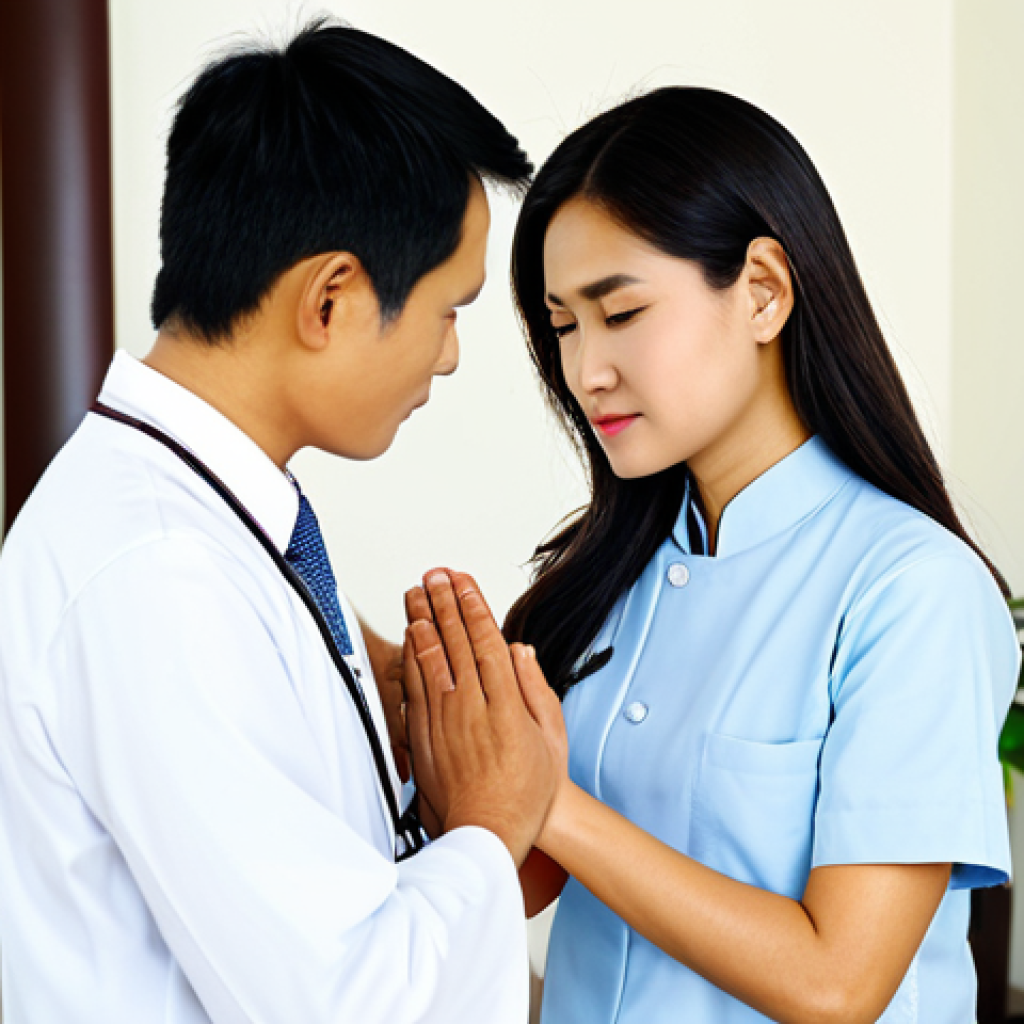
Diagnosis involves a combination of physical examination, pulse diagnosis, and questioning about lifestyle and symptoms. The practitioner seeks to identify imbalances in the elements and energy lines to tailor the treatment plan.
It’s not just about treating symptoms; it’s about uncovering the root cause of the illness.
Diving Deep into Thai Herbal Remedies
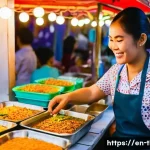
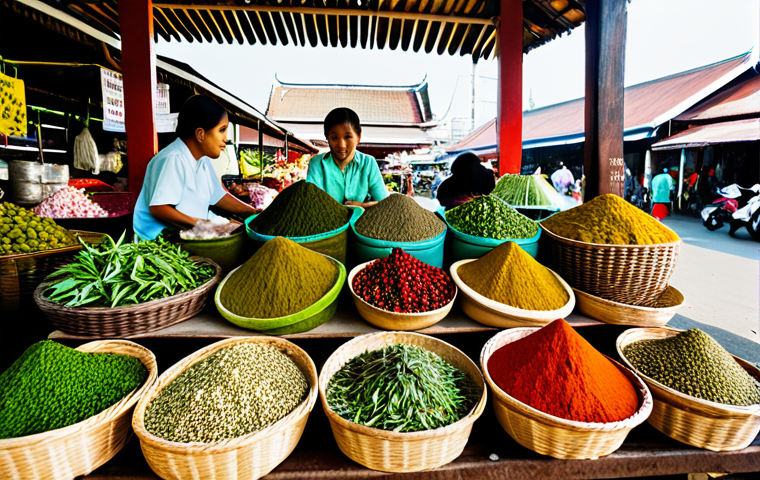
Herbal medicine forms the cornerstone of TTM, with a vast repertoire of plants used to address a wide range of ailments. I’ve often walked through local markets in Thailand, amazed by the sheer variety of herbs and spices on display, each with its unique properties.
These aren’t just culinary ingredients; they’re powerful tools for healing. For example, turmeric, known for its anti-inflammatory properties, is a common ingredient in Thai curries but also a staple in TTM for treating digestive issues and skin conditions.
Ginger, another popular herb, is used to stimulate circulation and relieve nausea. What I find particularly fascinating is the traditional knowledge associated with each herb, passed down through generations of healers and families.
The preparation methods are also crucial, with some herbs requiring specific techniques to unlock their medicinal potential.
Popular Herbs and Their Uses
Many herbs like turmeric, ginger, and lemongrass are used for their anti-inflammatory, digestive, and immune-boosting properties. These herbs are often combined in specific formulations to address specific ailments.
Preparation and Administration
Herbal remedies can be prepared in various forms, including teas, decoctions, poultices, and compresses. The method of preparation and administration depends on the specific herb and the condition being treated.
Sourcing and Sustainability
Ethical sourcing of herbs is crucial to ensure sustainability and preserve traditional knowledge. Many practitioners emphasize the importance of wildcrafting herbs responsibly and supporting local farmers who cultivate them sustainably.
The Art of Thai Massage: A Healing Touch
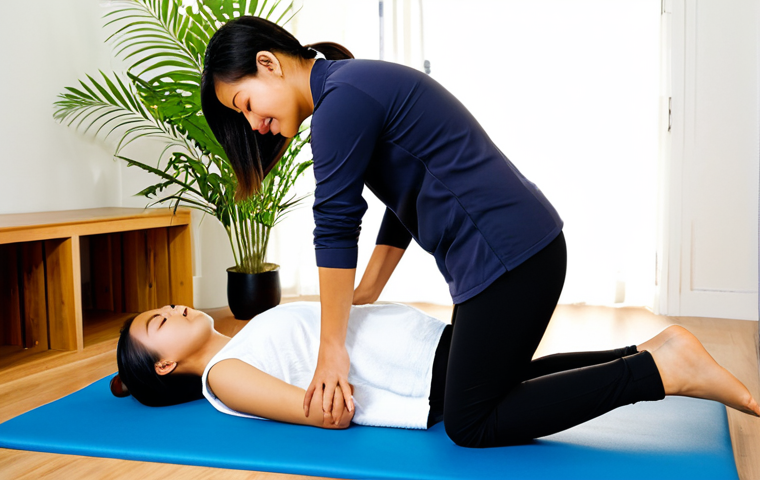
Thai massage, known as “Nuad Thai,” is a unique form of bodywork that combines acupressure, assisted stretching, and yoga-like postures to release tension, improve circulation, and restore balance.
Unlike Western massage, which primarily focuses on muscle relaxation, Thai massage works along the energy lines (Sen) to address deeper energetic imbalances.
I vividly remember my first Thai massage experience; it was far more active than I expected, with the therapist guiding me through various stretches and applying pressure to specific points.
It was both invigorating and deeply relaxing, leaving me feeling more aligned and energized. It’s essential to seek out a qualified and experienced practitioner who understands the nuances of Thai massage and can tailor the treatment to your individual needs.
Principles of Nuad Thai
Nuad Thai works along the Sen to release blockages, improve circulation, and promote energy flow. It involves a combination of acupressure, assisted stretching, and yoga-like postures.
Benefits of Thai Massage
Thai massage offers numerous benefits, including pain relief, stress reduction, improved flexibility, and enhanced energy flow. It can also help to alleviate specific conditions like back pain, headaches, and digestive issues.
Finding a Qualified Practitioner
Seek out a certified and experienced Thai massage therapist who understands the principles of TTM and can tailor the treatment to your individual needs.
Ask for recommendations from trusted sources and read reviews before booking a session.
The Spiritual Dimension of Thai Traditional Medicine
TTM is deeply intertwined with Buddhist principles and spiritual beliefs, emphasizing the interconnectedness of mind, body, and spirit. Traditional healers often incorporate meditation, chanting, and other spiritual practices into their healing sessions to promote mental and emotional well-being.
I’ve observed that many Thai healers approach their work with a sense of compassion and mindfulness, viewing their patients as whole beings rather than just a collection of symptoms.
This holistic approach recognizes the power of the mind to influence physical health and emphasizes the importance of cultivating positive emotions and thoughts.
It’s about finding inner peace and harmony, which in turn can support the body’s natural healing abilities.
The Role of Meditation and Mindfulness
Meditation and mindfulness practices are often incorporated into TTM to promote mental and emotional well-being. These practices can help to reduce stress, improve focus, and cultivate a sense of inner peace.
Spiritual Healing Techniques
Traditional healers may use chanting, blessings, and other spiritual techniques to promote healing and restore balance. These practices are believed to tap into a deeper source of energy and connect the individual with the divine.
The Importance of Compassion and Empathy
Compassion and empathy are essential qualities for a TTM practitioner. They create a safe and supportive environment for patients to heal and feel understood.
Integrating Thai Traditional Medicine into Modern Wellness Practices
While TTM has ancient roots, it’s increasingly relevant in today’s world as people seek out natural and holistic approaches to health and wellness. Many individuals are now integrating TTM principles and therapies into their modern lifestyles to complement conventional medical treatments.
I’ve personally found that incorporating herbal teas and mindfulness practices inspired by TTM has significantly improved my overall well-being. It’s not about replacing conventional medicine but rather about finding a balance between the two.
The key is to approach TTM with an open mind and a willingness to learn from its wisdom. It’s a journey of self-discovery and empowerment, where you take an active role in your own healing process.
Complementary Therapies
TTM therapies, such as herbal medicine and Thai massage, can be used to complement conventional medical treatments for various conditions.
Lifestyle Integration
Incorporate TTM principles into your daily life through diet, exercise, and mindfulness practices.
Consulting with Professionals
Consult with qualified TTM practitioners and conventional healthcare providers to develop an integrated wellness plan that meets your individual needs.
Navigating the Legal and Ethical Landscape of TTM
As TTM gains popularity worldwide, it’s essential to navigate the legal and ethical considerations surrounding its practice. Regulations and licensing requirements vary depending on the country and region.
It’s crucial to seek out qualified and licensed practitioners who adhere to ethical standards of practice. I’ve learned that some organizations are working to standardize TTM training and certification to ensure quality and safety.
Additionally, ethical sourcing of herbs and sustainable practices are paramount to protect the environment and preserve traditional knowledge for future generations.
Regulations and Licensing
Understand the legal and licensing requirements for TTM practitioners in your area.
Ethical Considerations
Ensure that practitioners adhere to ethical standards of practice, including informed consent and patient confidentiality.
Sustainability and Conservation
Support ethical sourcing of herbs and sustainable practices to protect the environment and preserve traditional knowledge.
| Aspect | Description | Example |
|---|---|---|
| Four Elements | Earth, Water, Wind, Fire – Balancing these is crucial for health. | Using cooling herbs (water element) to balance excess heat (fire element) in the body. |
| Sen Energy Lines | Pathways for vital energy; massage and acupressure work along these lines. | Thai massage targeting specific Sen lines to relieve back pain. |
| Herbal Remedies | Use of plants for medicinal purposes. | Drinking ginger tea to alleviate nausea. |
| Spiritual Dimension | Integration of Buddhist principles and spiritual practices. | Meditation to promote mental and emotional well-being. |
| Thai Massage (Nuad Thai) | Combines acupressure, assisted stretching, and yoga-like postures. | Improving flexibility and reducing stress through Thai massage. |
Unveiling the secrets of Thai Traditional Medicine has been a journey into a world where wellness transcends the physical, embracing the mind and spirit.
It’s about rediscovering the ancient wisdom that resonates even in our modern lives. I encourage you to explore these principles further, whether through trying a new herbal tea or experiencing the rejuvenating touch of Thai massage.
May your path to well-being be enriched by the timeless wisdom of TTM!
In Conclusion
Exploring Thai Traditional Medicine has offered a peek into a holistic world where balance is the key to well-being. From understanding the elements to experiencing the healing touch of Nuad Thai, there’s so much to discover. My hope is that you’re inspired to incorporate some of these ancient practices into your modern lifestyle. After all, sometimes the oldest wisdom is exactly what we need.
Good to Know Information
1. Finding a Qualified Practitioner: When seeking Thai massage, look for therapists certified by reputable organizations like the Thai Healing Alliance International. It ensures they’ve undergone thorough training and adhere to ethical standards.
2. Sourcing Herbs Responsibly: If you’re interested in herbal remedies, check out local health food stores or online retailers specializing in organic and sustainably sourced herbs. Brands like Mountain Rose Herbs or Frontier Co-op are known for their commitment to quality and ethical practices.
3. Trying Thai Cuisine: Immerse yourself in the flavors of Thailand by visiting a local Thai restaurant. Experiment with dishes that incorporate traditional herbs and spices like ginger, lemongrass, and galangal. It’s a delicious way to experience the benefits of TTM through food.
4. Exploring Mindfulness Practices: Incorporate mindfulness into your daily routine by downloading a meditation app like Headspace or Calm. These apps offer guided meditations that can help you reduce stress, improve focus, and cultivate a sense of inner peace.
5. Discovering Thai Culture: Plan a trip to Thailand to experience TTM firsthand. Visit traditional healing centers, attend workshops, and immerse yourself in the local culture. It’s an unforgettable way to deepen your understanding and appreciation for this ancient healing system.
Key Takeaways
• TTM focuses on balancing the body’s elements and energies for optimal health.
• Herbal remedies, Thai massage, and spiritual practices are integral components of TTM.
• Integrating TTM into modern wellness practices can complement conventional medical treatments.
• Ethical sourcing of herbs and responsible practices are essential for sustainability.
• Consult with qualified practitioners to develop an integrated wellness plan tailored to your needs.
Frequently Asked Questions (FAQ) 📖
Q: What exactly is Thai traditional medicine, and is it just a bunch of old wives’ tales?
A: Thai traditional medicine is a comprehensive healthcare system rooted in ancient knowledge and passed down through generations, blending Ayurvedic principles with indigenous herbal practices.
It’s not just some collection of folklore; it encompasses herbal remedies, massage, spiritual practices, and dietary guidelines designed to promote holistic wellness.
Recent scientific studies have actually started to validate some of these time-honored techniques, showing potential benefits for various health conditions.
I remember reading a study just last week that touched upon the efficacy of Thai massage for back pain – pretty compelling stuff!
Q: Okay, so it sounds interesting, but are these Thai herbal remedies safe? I mean, can I just start popping random pills I find in a Thai market?
A: Absolutely not! Just like with any medicine, safety is paramount. While many Thai herbs have a long history of use and are considered generally safe, it’s crucial to consult with a qualified practitioner of Thai traditional medicine and your regular doctor before trying anything new.
They can assess your individual health needs, identify any potential interactions with medications you’re already taking, and ensure you’re using the herbs correctly.
Plus, purchasing herbs from unregulated sources is a huge risk. You could end up with something that’s misidentified, contaminated, or just plain fake.
Think of it like this: you wouldn’t self-prescribe a strong painkiller without talking to your doctor first, right? Same principle applies here.
Q: Where can I actually experience Thai traditional medicine if I’m not in Thailand?
A: re there places I can go to get a legit treatment? A3: Finding authentic Thai traditional medicine outside of Thailand can be tricky, but it’s definitely possible!
Start by looking for licensed massage therapists who specialize in Thai massage – that’s often a good entry point. You can also research holistic health centers or wellness retreats that offer traditional Thai therapies.
Just make sure to do your homework and check the qualifications of the practitioners. Read reviews, ask for certifications, and don’t be afraid to ask questions about their training and experience.
A reputable practitioner should be happy to share their credentials and explain the treatment process in detail. Honestly, finding a good practitioner is like finding a good mechanic – it takes a bit of research, but it’s worth it in the long run.
📚 References
Wikipedia Encyclopedia