Navigating Bangkok’s bustling streets can feel overwhelming at first, but once you get the hang of its diverse transport options, getting around becomes a breeze.
From the sleek BTS Skytrain gliding above traffic to the iconic tuk-tuks weaving through narrow alleys, the city offers something for every traveler’s pace and budget.
Whether you prefer the convenience of ride-hailing apps or the charm of river ferries, understanding how to move efficiently is key to making the most of your visit.
I’ve tried several modes myself and found some hidden gems that make travel smoother and more enjoyable. Let’s dive into the details so you can explore Bangkok like a local with confidence!
Mastering Bangkok’s Skytrain: A Fast Track Through the City
Understanding BTS Routes and Stations
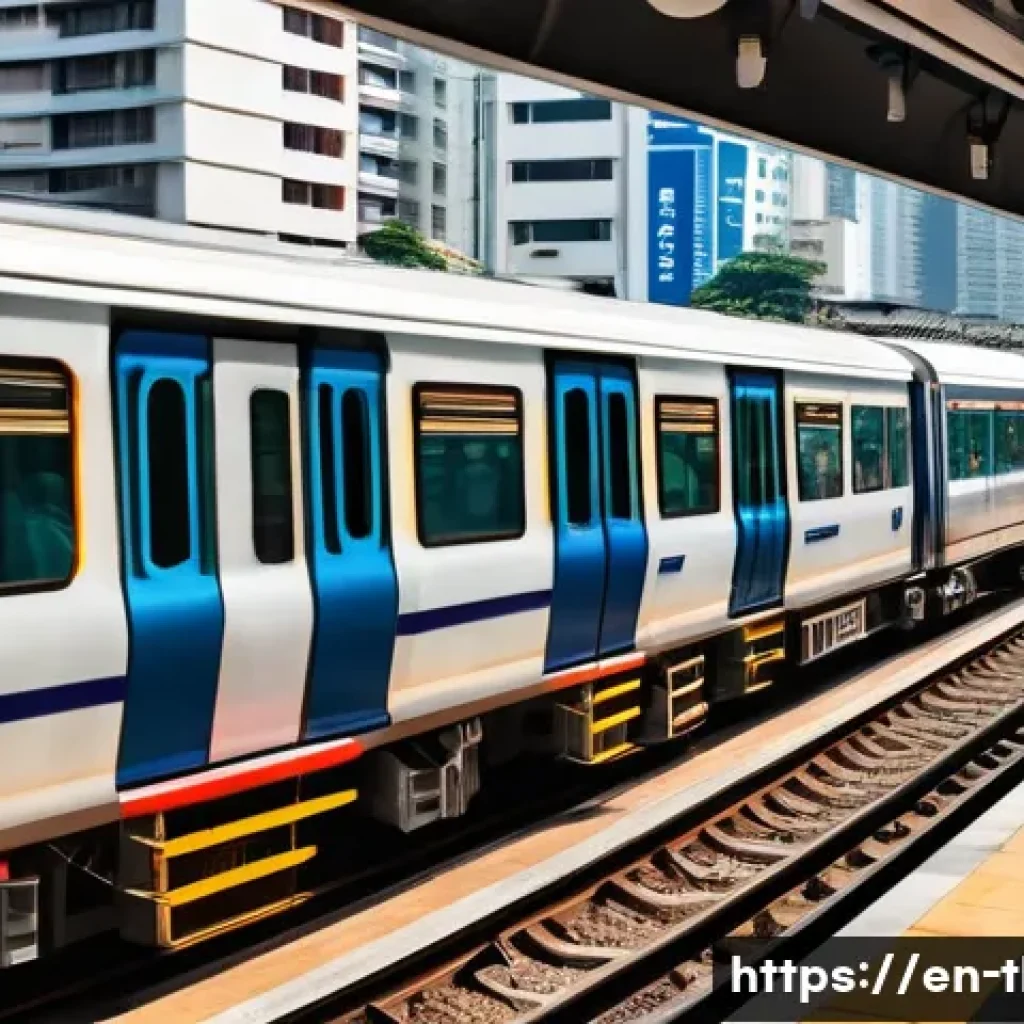
Navigating the BTS Skytrain system is probably the quickest way to get around Bangkok’s major areas without getting stuck in traffic. The two main lines, the Sukhumvit and Silom lines, cover key spots like Siam, Asok, and Sala Daeng, making it easy to hop between shopping hubs, business districts, and nightlife zones.
What I’ve noticed is that once you memorize just a handful of stations relevant to your itinerary, the system feels surprisingly intuitive. Plus, the stations are clean, well-signed in English, and have helpful staff, which makes boarding stress-free even for first-timers.
Buying Tickets and Using the Rabbit Card
When it comes to payment, you have the option of single-journey tokens or the Rabbit Card, which is a rechargeable smart card offering convenience and small discounts.
From my own experience, getting a Rabbit Card at the airport or any BTS station can save you a lot of time since you won’t have to queue for tickets every single ride.
The card also doubles as a payment method at various convenience stores and cafes around the city, so it’s a handy little tool to carry. Be sure to top it up in advance during off-peak hours to avoid lines.
Tips for Riding During Peak Hours
Bangkok’s rush hours, roughly 7:30–9:30 AM and 5–7 PM, can get really crowded on the BTS, and you might find yourself standing shoulder-to-shoulder with commuters.
If you’re not in a hurry, I recommend traveling just before or after these times to enjoy a more comfortable ride. Also, the first and last trains of the day can be less crowded and offer a unique chance to see the city waking up or winding down.
Don’t forget to be mindful of local etiquette—giving up seats for elderly or pregnant passengers is expected and appreciated.
Exploring the City’s Iconic Tuk-Tuks: Charm and Caution
Why Tuk-Tuks Are a Must-Try Experience
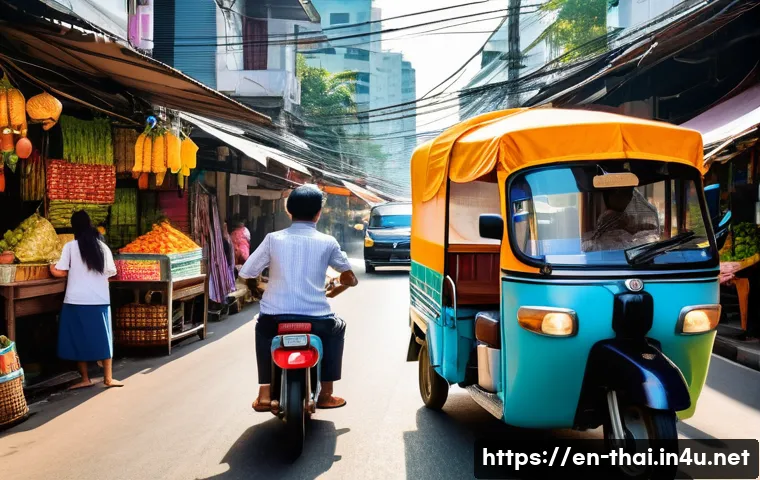
There’s something undeniably thrilling about hopping into a tuk-tuk and zipping through Bangkok’s narrow streets and lively markets. It’s a quintessential part of the city’s culture that adds color to any trip.
Personally, I love tuk-tuks for short rides where you want to feel the breeze and take in the chaotic energy. They’re also great for places where cars and buses can’t easily access.
However, I always recommend negotiating the fare before you hop in, as meters aren’t used and prices can vary widely.
Safety and Comfort Tips
Riding tuk-tuks is an adventure but not always the smoothest or safest mode of transport. Seats are often cramped and exposure to pollution can be intense.
If you’re carrying luggage or traveling during the rainy season, consider alternative options. That said, wearing a helmet isn’t standard, so keep your head down in traffic and avoid riding during heavy rain.
I always carry a small towel or scarf to shield myself from dust, and I found that choosing tuk-tuks with newer vehicles generally means a less bumpy ride.
Negotiating Fares Like a Pro
When it comes to pricing, don’t be shy about bargaining; it’s part of the experience. Start by asking locals or your hotel for a typical fare to your destination so you have a benchmark.
If the driver quotes a price, try offering about 70% of that and meet somewhere in between. Remember, tuk-tuk drivers often expect a small tip at the end, especially if they’ve gone out of their way to take you somewhere scenic or convenient.
Keeping a friendly attitude goes a long way in these negotiations.
Riding the River: Ferries and Boats as Scenic Alternatives
Why Choose Water Transport?
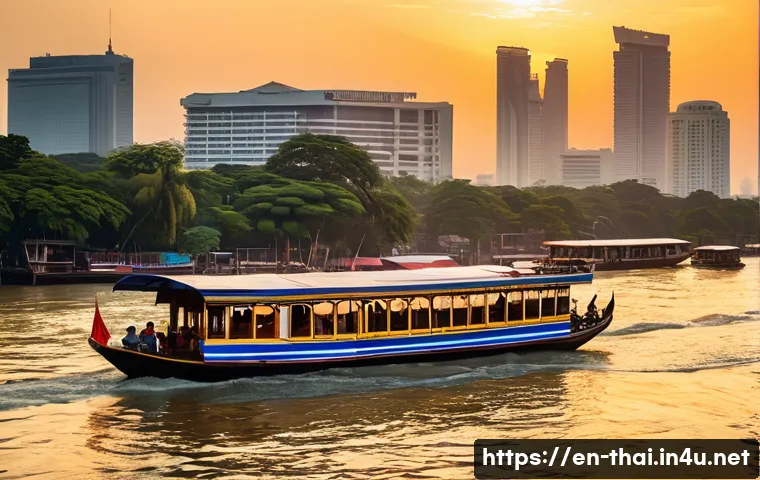
Bangkok’s Chao Phraya River isn’t just a picturesque backdrop—it’s a functional artery for daily commuters and tourists alike. Taking a boat ride offers a refreshing break from road traffic and a chance to see the city from a different perspective.
From my trips, I find that boats can be surprisingly efficient for reaching attractions like the Grand Palace, Wat Arun, or Chinatown. Plus, the breeze and views make it a relaxing way to travel, especially during the hot season.
Types of Boats and Ticketing
There are several types of boats, including the public Chao Phraya Express, tourist boats, and long-tail boats. The Chao Phraya Express is the most budget-friendly and has color-coded flags indicating different routes and stops.
Tickets are cheap and sold at piers, making it easy to hop on and off. Tourist boats tend to be pricier but offer commentary and more comfortable seating.
Long-tail boats are great for shorter, private rides along smaller canals but expect to negotiate prices.
Best Times to Take a River Ride
To avoid crowds and enjoy a cooler ride, early mornings or late afternoons are ideal times for river transport. The golden hour before sunset is especially magical if you can snag a seat on the open-air upper deck of a tourist boat.
I once took a river ride around 5 PM, and the city skyline lit up beautifully while the water shimmered—definitely a moment worth savoring. Just be mindful that some boats stop running after dark, so plan your return accordingly.
Using Ride-Hailing Apps to Avoid Hassle
Popular Apps and How They Work
For those who want the convenience of door-to-door service without haggling, ride-hailing apps like Grab are lifesavers. You can request everything from motorcycles to sedans straight from your phone, pay cash or card, and track your driver in real-time.
From my experience, Grab tends to be cheaper and safer than taxis that don’t use meters, plus you get a fare estimate upfront, which avoids surprises.
The app also offers food delivery and package services, which is super handy when you’re busy exploring.
When to Choose Motorbike Taxis
Motorbike taxis are perfect for short distances and cutting through heavy traffic quickly. While they might seem intimidating at first, they’re widely used by locals and can be a fun way to experience the city’s pace.
I always check that the rider provides a helmet (which they should by law) and secure a helmet for myself, even if it’s not mandatory for passengers. Motorbike taxis are best for solo travelers or those traveling light.
Tips for Safe and Smooth Rides
Even though apps help reduce scams, it’s important to stay alert. Always confirm the car’s license plate and driver’s photo before hopping in, and share your trip details with a friend or family member.
If you’re traveling late at night, I prefer to wait for the driver in a well-lit area and avoid empty streets. Also, tipping isn’t required but appreciated, especially if the driver helped with luggage or gave you insider tips.
Getting Around by Bus: Budget-Friendly but Tricky
Understanding Bangkok’s Bus Network
Bangkok’s bus system is the most affordable way to get around, with fares as low as 8 to 20 baht. However, it’s also the most complicated due to the sheer number of routes and the lack of English signs on most buses.
I wouldn’t recommend it for first-time visitors unless you have a local guide or app to help decode the routes. Still, if you’re feeling adventurous and want to experience the city like a local, buses are a great choice, especially for reaching areas the BTS or MRT don’t cover.
How to Pay and Board Efficiently
Most buses accept cash, but exact change is essential as drivers or conductors don’t usually carry change. Some newer buses have electronic card readers, but these aren’t widespread yet.
Boarding is typically done through the front door, and you’ll need to signal the driver when you want to get off. From my trials, having small change and a basic understanding of your route before boarding makes the whole process much smoother.
Tips for Comfort and Safety
Buses can be crowded and hot, especially during peak hours. If you’re carrying valuables, keep them close as pickpocketing can happen in crowded spaces.
I always try to sit near the driver or in well-lit parts of the bus to feel safer. Also, wearing a mask can be a good idea due to dust and pollution. Despite the challenges, the bus ride offers a unique window into everyday Bangkok life that’s worth experiencing at least once.
Essential Fare and Transport Comparison Table
| Transport Mode | Typical Fare Range (THB) | Best For | Convenience Level | Insider Tip |
|---|---|---|---|---|
| BTS Skytrain | 16–59 | Fast travel to major districts | High | Use Rabbit Card for quick access |
| Tuk-Tuk | 30–150 (negotiable) | Short scenic rides, narrow streets | Medium | Negotiate fare before boarding |
| Chao Phraya Express Boat | 15–40 | Tourist attractions along river | Medium | Choose boats by flag color for different routes |
| Grab Ride-Hailing | 50–300 | Door-to-door convenience | High | Check driver details before ride |
| Motorbike Taxi | 20–100 | Short distances, avoiding traffic | Medium | Always wear helmet |
| Bus | 8–20 | Budget travel, local experience | Low | Carry exact change |
Walking and Biking: Exploring Bangkok’s Neighborhoods Up Close
Best Areas for Strolling and Cycling
Some of the most rewarding ways to experience Bangkok are on foot or by bike, especially in neighborhoods like Ari, Thonglor, and Bang Rak where you can discover hidden cafes, street art, and local markets.
Walking lets you absorb the city’s vibrant street life and interact with friendly vendors and locals. For cycling, there are dedicated lanes in some parts, and bike rental shops offer everything from casual city bikes to electric models.
Safety and Practical Advice
Sidewalks can be uneven or crowded, so wearing comfortable shoes is a must. During the day, it’s wise to carry water and sunscreen, as the tropical sun can be intense.
When biking, always wear a helmet and be cautious of traffic, as not all drivers are accustomed to sharing the road with cyclists. Using apps like Google Maps with walking or biking mode helps plan safe and scenic routes.
How Walking and Biking Enhance Your Trip
From my personal experience, slowing down and exploring on foot or bike reveals a side of Bangkok that’s often missed by public transport users. You’ll stumble upon quiet temples, street food stalls with no English menus, and unexpected green spaces.
It’s a more immersive and intimate way to get to know the city, and it complements other transport modes perfectly for a balanced itinerary.
Understanding Taxi Etiquette and Avoiding Scams
How to Find and Use Metered Taxis
Taxis in Bangkok remain a common choice, but they come with some quirks. Always insist on the meter being turned on before starting your ride to avoid inflated fares.
From my experience, it’s best to flag down taxis on quieter streets or near shopping malls where drivers are less likely to refuse service. Avoid taxis near tourist hotspots that immediately quote a fixed high price.
Common Scams and How to Avoid Them
One of the frequent issues tourists face is being told the meter is broken or being taken on unnecessarily long routes. If the driver refuses to use the meter, politely decline and wait for another taxi.
Having your destination written in Thai or using a map app to show your route helps prevent misunderstandings. In rare cases, calling a ride-hailing app taxi can be safer and more transparent.
Tips for a Comfortable Taxi Ride
Make sure the taxi’s air conditioning is working, especially during the hot season. Keep small bills ready for exact change, and don’t hesitate to ask the driver to turn on the meter again if it seems to have stopped mid-ride.
It’s polite to say thank you in Thai (“khop khun krap/ka”) at the end, which often brings a friendly smile and good vibes.
Wrapping Up
Bangkok’s diverse transportation options offer something for every traveler, whether you prioritize speed, budget, or cultural immersion. From the efficient Skytrain to charming tuk-tuks and scenic river boats, each mode brings a unique way to experience the city. With a bit of preparation and local insight, getting around can be both smooth and enjoyable. Embrace the adventure and let Bangkok’s vibrant transport system become part of your journey’s story.
Handy Tips to Keep in Mind
1. Purchase a rechargeable travel card like the Rabbit Card to save time and enjoy discounts on public transit.
2. Avoid peak hours on the BTS Skytrain for a more comfortable ride and better photo opportunities.
3. Always negotiate fares upfront with tuk-tuk drivers to avoid surprises and ensure a fair price.
4. Use ride-hailing apps for transparent pricing and safer, hassle-free trips around the city.
5. When exploring by foot or bike, stay hydrated, wear comfortable gear, and remain alert to traffic conditions.
Key Takeaways for Stress-Free Travel
Understanding Bangkok’s transport landscape can greatly enhance your visit. Prioritize convenient payment methods and familiarize yourself with peak times to avoid crowds. Always stay cautious about safety, whether negotiating tuk-tuk fares or choosing taxis. Incorporating walking or biking adds a personal touch to your experience while balancing modern conveniences like ride-hailing apps ensures smooth navigation. With these essentials in mind, you’re set for an enjoyable and efficient exploration of Bangkok.
Frequently Asked Questions (FAQ) 📖
Q: What is the easiest way to get around Bangkok for a first-time visitor?
A: For someone new to Bangkok, the BTS Skytrain is hands down the easiest and most efficient way to navigate the city. It’s clean, air-conditioned, and avoids the notorious traffic jams.
Plus, it connects you to major shopping areas, tourist spots, and transit hubs. I found that buying a stored-value card like the Rabbit Card saves time and hassle.
Pairing the BTS with short tuk-tuk rides or taxis for the last mile makes exploring smooth and stress-free.
Q: Are tuk-tuks safe and worth trying for transportation?
A: Absolutely, tuk-tuks are a quintessential Bangkok experience and can be safe if you take a few precautions. Always agree on the fare before hopping in to avoid surprises, and avoid rides late at night or in heavy rain.
Personally, I enjoyed tuk-tuks for short trips through narrow alleys where other vehicles can’t go. They’re a fun way to soak up the city vibe, but for longer distances, I’d recommend sticking to taxis or ride-hailing apps for comfort and safety.
Q: How reliable are ride-hailing apps in Bangkok compared to traditional taxis?
A: Ride-hailing apps like Grab have become incredibly reliable and convenient in Bangkok. Unlike traditional taxis, which sometimes refuse short trips or insist on using the meter, apps provide upfront pricing and cashless payment options.
From my experience, drivers booked through these apps tend to be more professional and the service is generally faster during peak hours. However, it’s still good to have some cash on hand for small rides or when connectivity is spotty.