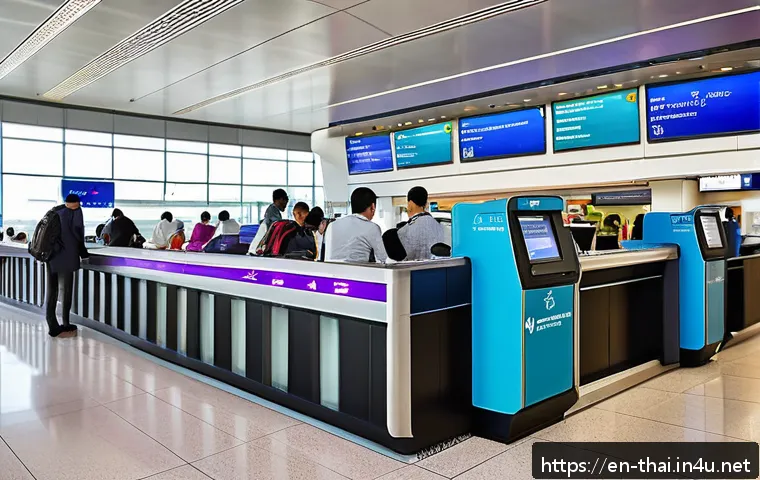
Planning a trip to Thailand has never been more exciting, especially with travel trends shifting rapidly this year. Flights are becoming more accessible, yet finding the best deal still feels like a puzzle.
If you’ve been scrolling endlessly, hoping for that perfect ticket price, you’re not alone. I’ve been there too—navigating countless options and uncovering insider tips that actually work.
In this post, I’ll share strategies to book your Thailand flight like a seasoned traveler, helping you save money and stress less. Stick around, and let’s make your dream getaway happen without breaking the bank!
Timing Your Purchase for Maximum Savings
When to Book Your Flight for Thailand
Finding the sweet spot to buy your ticket can be tricky, but after experimenting with various booking windows, I noticed a clear pattern. Generally, booking your flight around 6 to 8 weeks before your departure date tends to land you the best deals.
This timing strikes a balance between airlines releasing discounted seats and avoiding last-minute price surges. However, if you’re planning to travel during peak seasons like December or major holidays, shifting your booking to even earlier—about 3 months ahead—can save you a significant chunk of cash.
Trust me, the difference between booking at the last minute versus a month or two ahead can be hundreds of dollars, especially on international routes.
Best Days of the Week to Book and Fly
Another insider tip that worked wonders for me involves the day you book and the day you fly. Booking your ticket midweek, particularly on Tuesdays or Wednesdays, often yields lower prices due to airlines adjusting fares after weekend sales.
Similarly, flying on Tuesdays, Wednesdays, or Saturdays usually costs less compared to Fridays or Sundays, which are popular travel days. I once snagged a round-trip ticket to Bangkok by booking on a Tuesday and flying midweek, saving almost 20% compared to weekend flights.
So if your schedule is flexible, aligning your trip with these less busy days can really pay off.
How Last-Minute Deals Actually Work
Contrary to popular belief, last-minute deals aren’t always a myth. Airlines sometimes slash prices just days before departure to fill empty seats, especially on less crowded routes.
However, this strategy is risky and not recommended if you have fixed plans or tight budgets. From my experience, last-minute deals are more common on domestic or short-haul flights rather than long-haul ones like flights to Thailand.
If you’re adventurous and flexible, signing up for airline newsletters and fare alerts can help you catch these spontaneous bargains before they disappear.
Choosing Airports and Routes to Stretch Your Budget
Major vs. Secondary Airports in Thailand
Thailand offers several international airports, with Suvarnabhumi Airport (BKK) in Bangkok being the primary gateway. However, don’t overlook Don Mueang Airport (DMK) in Bangkok, which serves many low-cost carriers.
Flying into DMK can often shave off a decent amount from your airfare, but keep in mind the added transport time to the city center. Additionally, airports like Phuket (HKT) and Chiang Mai (CNX) might offer better deals depending on your itinerary.
From personal trips, I found that combining flights into different airports—say, flying into Bangkok and out of Phuket—can optimize costs and maximize your travel experience.
Stopovers and Connecting Flights: Are They Worth It?
Direct flights are convenient but usually pricier. On the other hand, flights with one or two stopovers can be significantly cheaper if you don’t mind the longer travel time.
I once booked a ticket with a layover in Kuala Lumpur that cut my fare by nearly 30%. Just be cautious about layover durations; a tight connection can lead to missed flights and added stress.
If you want to explore another city briefly, long stopovers can even turn your travel into a mini-adventure. Planning ahead is key—use flight comparison tools to test different routes and layover lengths before committing.
Comparing Regional Airlines and Low-Cost Carriers
Thailand is well served by budget airlines like AirAsia, Nok Air, and Thai Lion Air. These carriers often offer unbeatable prices compared to full-service airlines but come with trade-offs like limited baggage allowances and fewer onboard amenities.
From my experience, these budget flights are perfect for travelers who prioritize price over luxury and can travel light. Just be sure to read the fine print—sometimes the initial low fare balloons with added fees.
Balancing comfort and cost is a personal choice, but for short-haul flights within Southeast Asia, budget airlines are usually the way to go.
Tools and Apps That Simplify Flight Hunting
Flight Comparison Websites That Actually Deliver
I’ve tested dozens of flight search engines over the years, and some consistently stand out. Websites like Skyscanner, Google Flights, and Momondo offer flexible date searches and price alerts that help track fare fluctuations over time.
One trick I use is setting up multiple alerts for the same route but with slightly different travel dates—this way, I catch price drops that others might miss.
These platforms also provide insights into cheaper nearby airports and alternative airlines, which can be game changers. My advice: don’t rely on just one site—cross-check prices across several to ensure you’re getting the best deal.
Mobile Apps for On-the-Go Booking and Alerts
Having flight apps on your phone keeps you in the loop no matter where you are. Apps like Hopper and Airfarewatchdog send push notifications when prices drop or when it’s the optimal time to buy.
I often get alerts while commuting or during breaks, which lets me book quickly before fares spike again. Plus, many airline apps offer exclusive app-only promotions or flash sales.
For travelers who want to stay nimble and responsive, these mobile tools are indispensable. Just make sure to enable notifications so you don’t miss out on those fleeting bargains.
Using Loyalty Programs to Your Advantage
If you fly frequently, joining airline loyalty programs can add up to significant savings. Points earned from flights, credit card purchases, or partner services can be redeemed for discounted or even free tickets.
I’ve personally redeemed miles on Thai Airways and partners within the Star Alliance to upgrade my seat or reduce costs. It takes some planning and patience, but tracking promotions and strategically using miles can turn a pricey ticket into a budget-friendly one.
Don’t overlook credit card partnerships either—they often provide bonus miles for signing up or spending.
Understanding Seasonal Price Fluctuations
Peak Travel Seasons and Their Impact on Prices
Thailand’s high season, generally from November to February, coincides with cooler and drier weather, making it the most popular time to visit. Unsurprisingly, ticket prices soar during this period due to demand.
From my trips during these months, I’ve seen airfare prices jump by 40% or more compared to the low season. If you can’t avoid traveling during peak times, booking well in advance and being flexible with your travel dates can help mitigate the cost.
Consider also flying midweek or choosing less popular airports to dodge the crowds and high fares.
Off-Peak Travel Benefits Beyond Price

Traveling during the shoulder or off-peak seasons—like the rainy months from June to October—often means much lower airfare and hotel rates. I took advantage of this once and found that not only were flights cheaper, but tourist sites were far less crowded, enhancing the overall experience.
Yes, there might be occasional rain showers, but they tend to be short-lived, and the lush green landscapes are worth it. Plus, airlines and hotels sometimes offer special packages during these months, which can add extra value to your trip.
Holiday Periods and Special Events to Watch For
Certain Thai holidays and festivals, such as Songkran (Thai New Year in April) or Loy Krathong (usually in November), can cause spikes in airfare as locals and tourists flock to celebrate.
If you want to experience these vibrant events, be prepared to pay a premium or book months ahead. On the flip side, flying just before or after these peak celebrations might yield better prices and still let you enjoy the festive atmosphere.
Planning around these events requires a bit of research but can be incredibly rewarding.
Smart Payment Methods and Currency Considerations
Using Credit Cards Wisely for Flight Purchases
Booking flights with the right credit card can unlock rewards, cashback, or travel insurance benefits. I always use cards that offer extra points for travel-related purchases and no foreign transaction fees.
This strategy not only saves money but also adds perks like trip cancellation protection or lounge access. Just be cautious about your billing cycle—booking just after your statement closes can give you more time before the payment is due, which is a neat cash flow hack.
How Currency Fluctuations Affect Ticket Prices
Since many airlines price tickets in USD or local currency, exchange rates can subtly influence how much you pay. If your home currency weakens against the dollar, tickets might become more expensive when purchased.
I once waited a few days before buying my ticket because favorable currency shifts saved me around $30 on a round-trip fare. Watching currency trends and using payment methods that lock in exchange rates can protect you from sudden price hikes.
Alternative Payment Options and Their Pros and Cons
Some airlines and booking sites accept PayPal, bank transfers, or even cryptocurrencies. While these options might offer convenience or security, they sometimes carry extra fees or longer processing times.
From personal experience, sticking with credit or debit cards tends to be the most straightforward and cost-effective. However, if you’re booking through regional carriers or third-party agents, double-check the payment terms to avoid surprises.
Comparing Airlines: What Really Makes a Difference?
Full-Service vs. Low-Cost Airlines
Full-service airlines like Thai Airways and Singapore Airlines offer perks like checked baggage, meals, and more comfortable seating included in the fare.
This can be a great value if you prefer a hassle-free experience. On the other hand, low-cost carriers strip these extras away to keep prices low, charging separately for checked bags, seat selection, and food.
I’ve flown both and found that if you travel light and don’t mind minimal frills, budget airlines are unbeatable for price. But if comfort and convenience matter more, paying a bit extra for full-service can be worth it.
Reputation and Customer Service Matter
When booking a flight, consider the airline’s reputation for punctuality, customer support, and safety. I once had a delayed flight with a budget airline that left me scrambling for alternatives.
While the fare was cheap, the hassle wasn’t worth it. Reading recent reviews and checking airline rankings can help you avoid unpleasant surprises. Sometimes spending a few extra dollars on a reliable carrier saves time and stress, which is priceless on vacation.
Additional Fees That Can Affect Your Final Cost
Beware of hidden costs like baggage fees, seat selection charges, and airport taxes. These can quickly add up and negate any savings from a low ticket price.
For example, some budget airlines charge for carry-on bags, which caught me off guard once and led to an unexpected expense at the gate. Always review the fare breakdown carefully before purchasing.
If you need extra luggage or prefer a specific seat, factor these costs into your budget to avoid unpleasant surprises at check-in.
| Airline Type | Typical Fare Range | Included Amenities | Common Extra Fees | Best For |
|---|---|---|---|---|
| Full-Service Airlines | $600 – $1,200 (round-trip) | Checked baggage, meals, seat selection | Extra for upgrades, some seat preferences | Comfort, convenience, less hassle |
| Low-Cost Carriers | $300 – $700 (round-trip) | Basic seat only | Baggage, meals, seat selection, priority boarding | Budget travelers, light packers, flexible plans |
| Regional Airlines | $400 – $900 (round-trip) | Varies by carrier | Varies widely | Short-haul routes, connecting flights |
In Conclusion
Timing, airport choices, and being flexible with your travel plans can dramatically cut your flight costs to Thailand. Using the right tools and understanding seasonal trends empower you to book smarter. Whether you prefer full-service comfort or budget options, balancing your priorities will make your trip both affordable and enjoyable. Keep these insights in mind, and you’ll find yourself saving more on flights without sacrificing the experience.
Useful Tips to Remember
1. Book your flights 6 to 8 weeks in advance for the best balance of price and availability, especially earlier if traveling during holidays.
2. Aim to book and fly midweek, like Tuesdays or Wednesdays, to take advantage of lower fares and less crowded airports.
3. Use multiple flight comparison sites and mobile apps to track price drops and grab last-minute deals if you have flexible plans.
4. Consider flying into or out of secondary airports and using stopovers to reduce ticket prices while adding travel variety.
5. Join airline loyalty programs and use credit cards wisely to earn rewards, cashback, and additional travel benefits.
Key Takeaways
Choosing when and where to book your flight greatly influences your travel budget. Flexibility with dates and airports opens up more affordable options. Always factor in extra fees from budget airlines to avoid surprises, and prioritize reputable carriers for a smoother experience. Leveraging technology and loyalty programs can further enhance savings and convenience, making your journey to Thailand both economical and enjoyable.
Frequently Asked Questions (FAQ) 📖
Q: When is the best time to book a flight to Thailand to get the cheapest price?
A: From my experience, the sweet spot for booking flights to Thailand is usually around 2 to 3 months before your departure date. I’ve noticed prices tend to spike closer to the travel dates, especially during peak seasons like December to February.
Mid-week bookings often yield better deals too. Using fare alert tools helped me snag tickets at a fraction of the usual cost, so I highly recommend setting those up early.
Q: Are there specific airlines or routes that offer better deals when flying to Thailand?
A: Absolutely! Budget airlines like AirAsia and Scoot often have fantastic deals, especially if you’re flexible with your travel dates and don’t mind layovers.
Also, flying into secondary airports like Don Mueang in Bangkok instead of Suvarnabhumi can save you money. I once booked a multi-city ticket with a stopover in Kuala Lumpur, which cut my airfare by nearly 30%.
Keep an eye on routes with one-stop options—they often combine affordability with convenience.
Q: How can I avoid common pitfalls when booking flights to Thailand online?
A: One thing I’ve learned the hard way is to always double-check baggage policies and additional fees before confirming your booking. Many low-cost carriers advertise low base fares but add charges for checked bags, seat selection, and meals.
Also, avoid booking flights at the last minute unless it’s an emergency, as prices skyrocket. Reading reviews and using reputable booking platforms can prevent surprises.
Lastly, clear your browser cookies or use incognito mode when searching, as some sites increase prices based on repeated searches.