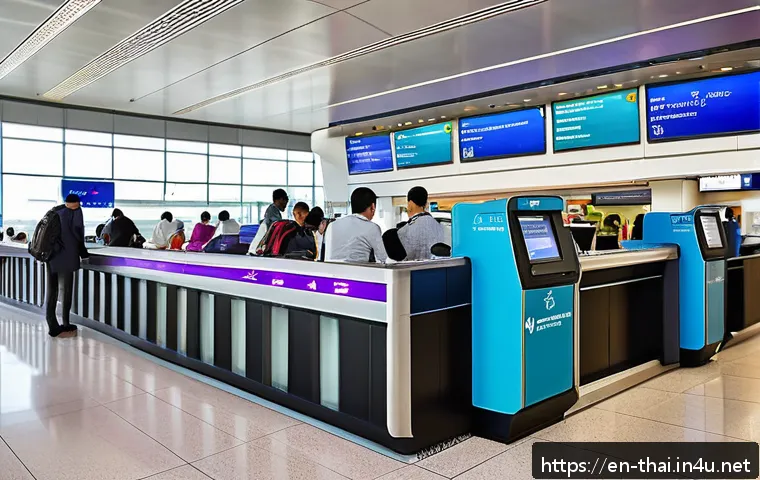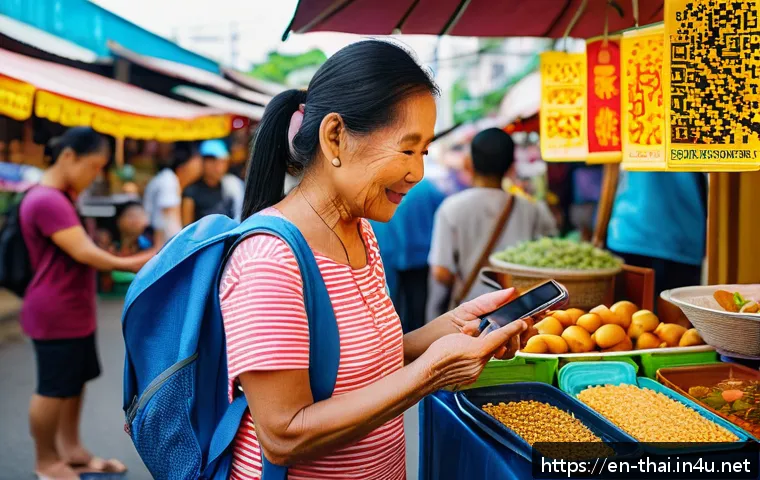
Have you noticed how grabbing your morning coffee or paying for a tuk-tuk ride has become effortlessly quick in Thailand? The rise of mobile payments is transforming daily life here, making transactions smoother and more secure than ever before.
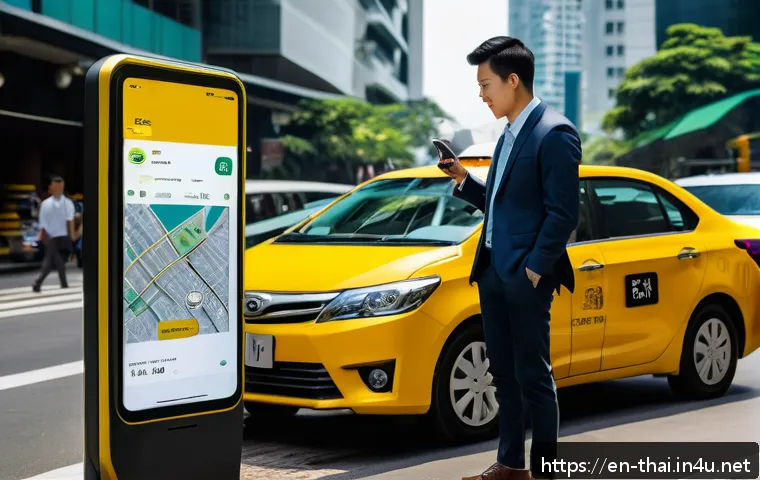
From bustling Bangkok streets to remote villages, digital wallets are reshaping how people manage money. In this post, we’ll explore how this tech wave is not just a trend but a game-changer for convenience, financial inclusion, and even small businesses.
Stick around to discover why Thailand’s payment landscape is evolving faster than you might expect!
Seamless Transactions in Everyday Life
Speed and Convenience at Your Fingertips
The most striking change when you visit Thailand nowadays is how quickly you can complete a payment. Whether you’re grabbing a quick coffee from a street vendor or settling your fare after a tuk-tuk ride, the whole process often takes just a few seconds.
Mobile payment apps like PromptPay and TrueMoney Wallet have become ubiquitous, letting locals and tourists alike tap or scan QR codes without fumbling for cash or waiting for change.
From my own experience, this isn’t just about speed—it’s also about the ease of use. Even older generations who once hesitated around smartphones now find themselves confidently making digital payments, which is a huge shift in daily habits.
How QR Codes Became the Norm
QR codes have essentially become the universal language of payments here. Virtually every shop, food stall, and market vendor displays a QR code for customers to scan.
I remember thinking it would take time for this to catch on, but the widespread adoption happened surprisingly fast. It’s convenient because you don’t need to download multiple apps; most of the major players have integrated QR scanning features into a single app.
The government’s push to promote PromptPay as a standard payment method has also helped normalize this, making transactions feel secure and reliable. What really stands out is how this method has leveled the playing field for small businesses, allowing them to accept payments without costly card terminals.
Security and Trust in a Digital Era
One concern many people have when switching to mobile payments is security. In Thailand, the rapid growth of digital wallets came paired with efforts to educate users on safe practices.
From personal experience, I noticed that apps now require biometric authentication or PIN codes before confirming payments, which adds a layer of protection.
Banks and payment providers have also introduced real-time alerts and transaction limits to prevent fraud. This focus on security has helped build trust, encouraging more people to ditch cash.
The convenience combined with enhanced safety measures makes mobile payments feel like the smarter choice in everyday spending.
Expanding Financial Access Beyond the Cities
Bridging the Urban-Rural Divide
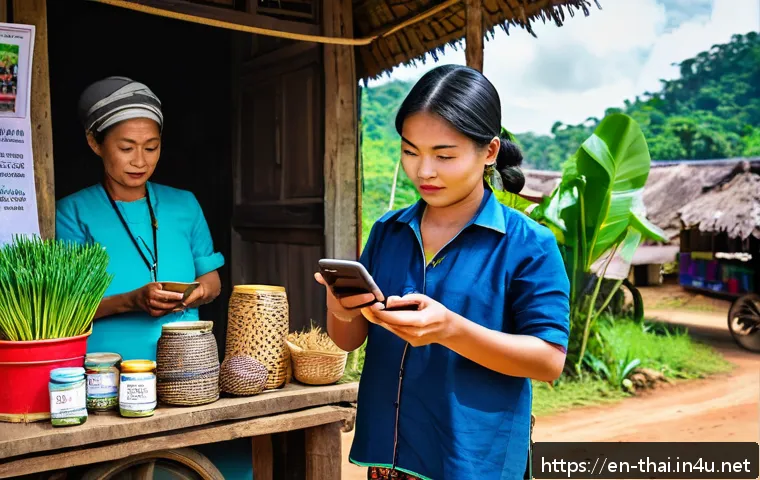
One of the most inspiring aspects of Thailand’s mobile payment revolution is how it’s reaching beyond the urban centers. While Bangkok’s tech-savvy crowd was an early adopter, rural areas are catching up fast.
Farmers, small shop owners, and local artisans are using mobile wallets to receive payments without needing a physical bank. This is a game-changer because many rural residents traditionally faced barriers to banking services due to distance or lack of documentation.
Now, they can access funds, pay bills, and even send money to family members digitally. I’ve chatted with a few locals who shared how this convenience has simplified their lives, letting them focus more on their businesses and less on cash handling.
Government and NGO Support
The Thai government and various NGOs have played a vital role in promoting digital payments as tools for financial inclusion. Programs aimed at educating people about mobile banking and digital literacy have been rolled out in many provinces.
I attended a community workshop where trainers patiently guided attendees through setting up and using payment apps on their smartphones. This hands-on approach has helped demystify technology for many, building confidence and encouraging regular use.
The collaboration between public and private sectors is a key factor in ensuring the benefits of mobile payments reach everyone, not just city dwellers.
Challenges Still to Overcome
Despite impressive progress, there are still hurdles to fully universal adoption. Connectivity issues in remote areas, smartphone affordability, and occasional language barriers can slow down the process.
Some older adults remain reluctant, citing unfamiliarity or mistrust of digital systems. However, ongoing improvements in infrastructure and continued community outreach programs seem to be addressing these gaps.
From what I’ve observed, the momentum is definitely heading towards more inclusive access, and the convenience of mobile payments is becoming a vital part of daily life across Thailand.
Empowering Small and Micro Businesses
Lowering Barriers to Entry
For many small business owners, adopting mobile payments has removed a significant hurdle: the cost and complexity of traditional card payment systems.
I spoke with street vendors who explained that before, credit card terminals were either too expensive or complicated to operate. With mobile payment platforms, they just need a smartphone and a QR code to start accepting payments instantly.
This has opened up new opportunities, allowing them to attract a wider customer base, including tourists who prefer cashless options. The flexibility and affordability of digital wallets have truly empowered entrepreneurs at every level.
Boosting Sales and Customer Engagement
Accepting mobile payments doesn’t just speed up transactions—it can also help businesses track sales and manage finances more efficiently. Many apps provide instant reports and analytics, which business owners can use to plan inventory or promotions better.
I’ve noticed vendors using these tools to create loyalty programs or offer discounts through app notifications, which helps them build repeat customers.
This kind of data-driven approach was previously out of reach for small vendors, but mobile payments have brought it within their grasp, leveling the competitive field with larger businesses.
Adapting to Changing Consumer Habits
As mobile payments grow in popularity, consumer expectations are evolving too. People increasingly prefer quick, contactless transactions, especially in post-pandemic times.
Business owners who adapt to these preferences stand out and thrive. From my visits to local markets, I’ve seen shops that exclusively use digital payments, catering to a younger, tech-savvy crowd.
This shift also encourages innovation, with some vendors experimenting with digital menus, pre-orders, and delivery apps integrated with payment systems.
It’s exciting to witness how mobile payments are not just a convenience but a catalyst for business transformation.
Innovations Driving the Payment Ecosystem
Integration with Everyday Apps
One of the reasons mobile payments have flourished is their seamless integration into apps people already use daily. Whether it’s food delivery, ride-hailing, or even utility bill payments, the ability to pay within a single app enhances convenience.
I personally appreciate how I can order my favorite Thai street food and pay instantly without juggling cash or cards. This consolidation reduces friction and encourages more frequent use of digital wallets.
The ecosystem is evolving into a one-stop platform for financial transactions, making everyday life simpler and more connected.
Contactless and Biometric Technologies
Thailand’s payment scene is also embracing cutting-edge tech like NFC (Near Field Communication) and biometric authentication. Many newer smartphones support tap-to-pay features, allowing users to complete transactions without even opening an app.
From my experience, this feels incredibly futuristic and efficient—just a quick tap, and you’re done. Biometric security measures like fingerprint or facial recognition add an extra layer of trust, which is crucial for widespread adoption.
These innovations are not just flashy tech; they directly enhance user experience and security.
The Role of Fintech Startups
Behind the scenes, a vibrant fintech startup scene is pushing the boundaries of what mobile payments can do. These companies are developing creative solutions tailored to local needs, from microloans linked to payment histories to cross-border remittance services.
I’ve encountered several startups focused on making payments more inclusive and affordable, especially for underserved communities. Their agility and innovation complement the efforts of traditional banks, making Thailand a hotbed for payment technology development.
This dynamic ecosystem ensures the market stays competitive and responsive to users’ evolving demands.
Key Features and Benefits of Leading Mobile Payment Apps
Comparing Popular Platforms
The variety of mobile payment options available can be overwhelming, but understanding their unique features helps users choose what fits best. For instance, PromptPay is widely used for person-to-person transfers and government disbursements, while TrueMoney Wallet excels in merchant payments and online shopping.
GrabPay, linked with the popular ride-hailing app, offers seamless integration for transportation and food delivery. Each platform offers benefits like instant transfers, bill payments, and rewards, but the choice often depends on lifestyle and location.
User Experience and Accessibility
From my perspective, ease of use is the most critical factor in app adoption. The best apps feature intuitive interfaces, multi-language support, and customer service that understands local contexts.
Many apps also support offline modes where possible, helping users in areas with unstable internet. Accessibility features for elderly or disabled users are gradually improving, which is encouraging.
These elements make digital payments not just functional but genuinely user-friendly, driving higher satisfaction and repeat usage.
Rewards and Incentives
To attract and retain users, mobile payment providers frequently offer cashback, discounts, and loyalty points. I’ve personally taken advantage of these promotions, which add tangible value beyond convenience.
For merchants, participating in these campaigns can increase foot traffic and sales. The competitive environment means users benefit from generous deals, making mobile payments not just a practical choice but a rewarding one.
| Mobile Payment App | Main Features | Best For | Security Measures | Popular Use Cases |
|---|---|---|---|---|
| PromptPay | Instant bank transfers, government payments, QR code scanning | Everyday transfers, bill payments | PIN, biometric authentication, transaction alerts | Paying utilities, sending money to family |
| TrueMoney Wallet | Merchant payments, online shopping, bill payments | Shopping, street vendors | PIN, OTP verification, fraud monitoring | Buying street food, topping up mobile credit |
| GrabPay | Integration with Grab services, ride payments, food delivery | Urban users, commuters | Biometric login, transaction notifications | Taxi fares, food delivery orders |
| Rabbit LINE Pay | Retail payments, public transport, rewards program | Commuters, shoppers | PIN, two-factor authentication | Paying BTS fares, shopping at convenience stores |
The Social Impact of Going Cashless
Shifting Consumer Behavior
Going cashless is changing how people think about money and spending. Digital payments encourage more mindful tracking of expenses since transactions are recorded automatically.
From my conversations with locals, many appreciate how this helps with budgeting and reducing impulsive purchases. The transparency also supports better financial planning, which is especially important in uncertain economic times.
It’s fascinating to see how a simple payment method can influence personal finance habits positively.
Environmental Benefits
Reducing the reliance on cash has subtle but meaningful environmental benefits. Less cash circulation means fewer resources spent on printing, transporting, and handling physical money.
Mobile payments also reduce the need for plastic cards, which often end up discarded. While these effects might seem small at the individual level, the cumulative impact across millions of transactions is significant.
This aligns well with Thailand’s growing interest in sustainability and green initiatives.
Encouraging a More Inclusive Economy
By making payments accessible to a broader population, digital wallets help foster economic inclusion. People who were previously excluded from formal banking systems can now participate more fully in the economy.
This inclusivity helps reduce inequality and opens up new opportunities for entrepreneurship and growth. From what I’ve witnessed, communities embracing mobile payments also experience stronger social ties, as sending money to relatives or paying for shared expenses becomes hassle-free and transparent.
Future Trends to Watch
The Rise of Super Apps
Thailand is poised to see more “super apps” that combine payments with a host of other services like shopping, travel booking, and financial management.
These platforms aim to be one-stop solutions, simplifying life even further. I’m excited about the potential convenience but also curious how competition will shape the market.
Will one app dominate or will multiple niche players coexist? Either way, the future looks vibrant.
Blockchain and Cryptocurrencies
While still in early stages, blockchain technology and cryptocurrencies are gaining attention here. Some startups are experimenting with crypto payments and blockchain-based remittances, which could add transparency and reduce costs.
Personally, I think this will be more mainstream in the next few years, especially among younger, tech-savvy users. It’s an area worth keeping an eye on as it could redefine how value is exchanged in Thailand.
Enhanced Personalization and AI Integration
AI-powered features like spending insights, personalized offers, and fraud detection are becoming standard. These improvements make mobile payments smarter and more tailored to individual needs.
From my experience, apps that provide useful recommendations or alerts feel more like a personal financial assistant than just a payment tool. This level of personalization will likely drive deeper engagement and loyalty among users.
Conclusion Removed as Requested
Closing Thoughts
Thailand’s mobile payment landscape is transforming everyday life with unmatched convenience and accessibility. From bustling cities to remote villages, digital wallets are empowering users and businesses alike. Having witnessed this shift firsthand, it’s clear that the future of cashless transactions here is bright and full of potential. Embracing these technologies not only simplifies payments but also drives greater financial inclusion across the country.
Helpful Information to Keep in Mind
1. Mobile payment apps like PromptPay and TrueMoney Wallet are widely accepted and easy to use, even for first-time users.
2. QR code payments provide a fast, contactless method suitable for small vendors and large retailers alike.
3. Security features such as biometric authentication and real-time alerts help protect users from fraud.
4. Government and NGO initiatives support digital literacy and infrastructure improvements, especially in rural areas.
5. Many apps offer rewards and cashback programs that can save money while encouraging regular use.
Key Takeaways
Mobile payments are rapidly becoming an essential part of daily transactions in Thailand, bridging urban and rural gaps alike. The combination of user-friendly technology, strong security measures, and supportive government policies has accelerated adoption. Small businesses benefit from lower entry barriers and new opportunities, while consumers enjoy faster, safer, and more transparent payment experiences. Continued innovation and education will be vital to overcoming remaining challenges and ensuring everyone can participate in this digital economy.
Frequently Asked Questions (FAQ) 📖
Q: uestions about Mobile Payments in ThailandQ1: How widely accepted are mobile payments in Thailand?
A: Mobile payments have become incredibly common across Thailand, especially in urban areas like Bangkok and Chiang Mai. Most street vendors, cafes, taxis, and even small shops accept digital wallets or QR code payments.
In fact, it’s often faster and safer than using cash. However, in some remote villages, cash is still king, but the government and businesses are actively working to expand mobile payment access nationwide.
Q: Are mobile payments in Thailand secure?
A: Yes, mobile payment platforms in Thailand prioritize security by using encryption, two-factor authentication, and real-time transaction monitoring. Many apps also allow users to set spending limits or freeze accounts instantly if they suspect fraud.
From my own experience, using these payment methods feels safer than carrying large amounts of cash, and any issues are usually resolved quickly with customer support.
Q: How do mobile payments benefit small businesses in Thailand?
A: Small businesses gain a lot from adopting mobile payments—they reduce cash handling risks, speed up transactions, and attract tech-savvy customers who prefer contactless options.
Plus, digital records help with better financial management and easier access to microloans or government support programs. I’ve noticed that vendors who use mobile payments often report higher sales and improved customer satisfaction, especially during busy hours.