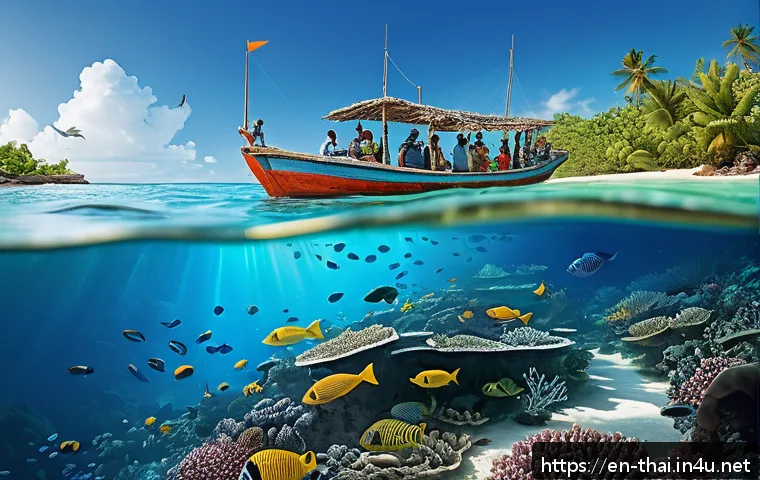
Thailand’s vibrant coral reefs, once bustling with marine life, now face unprecedented threats from climate change and human activity. Amid growing global concern, the country has launched groundbreaking initiatives aimed at restoring these underwater ecosystems and protecting its rich biodiversity.
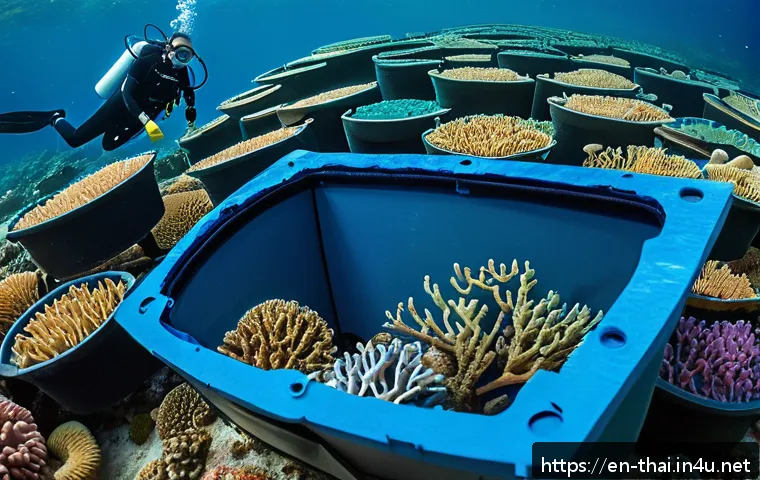
From innovative coral farming techniques to community-driven conservation efforts, Thailand is setting an inspiring example in marine preservation. If you’re curious about how these bold strategies could shape the future of our oceans, stay with me as we dive into the heart of Thailand’s coral reef rescue mission.
This is more than just environmental news—it’s a story of hope and action worth following.
Community Engagement as a Catalyst for Reef Revival
Empowering Local Fishermen and Residents
One of the most inspiring aspects of Thailand’s coral reef restoration is how local communities, especially fishermen, are becoming active participants rather than bystanders.
Instead of merely enforcing restrictions, the government and NGOs have launched educational programs that teach sustainable fishing practices and the importance of healthy reefs.
From my conversations with fishermen in coastal villages, many shared that these efforts have transformed their perspective; they now see coral reefs not just as a resource to exploit but as a vital ecosystem to protect for future livelihoods.
This shift in mindset is crucial because it helps reduce destructive fishing methods like blast fishing or cyanide use, which had devastated reefs in the past.
When locals feel ownership and pride in reef restoration, the results become more sustainable and impactful.
Community-Led Reef Monitoring and Protection
Another impressive development is the rise of community-driven reef monitoring teams. Trained volunteers regularly dive to assess coral health, identify bleaching events, and report illegal activities.
This grassroots approach fills gaps where official enforcement can’t always reach and fosters a deeper connection between people and their underwater environment.
In fact, I learned that some communities even organize reef clean-up days and coral planting festivals, turning conservation into a cultural event that brings everyone together.
This blend of science and local tradition creates a powerful model for marine stewardship that other countries could learn from.
Challenges and Opportunities in Sustaining Engagement
While the enthusiasm among communities is promising, sustaining long-term participation remains a challenge. Economic pressures, especially during tourism slumps or fishing bans, can test the commitment of locals.
However, programs that provide alternative income sources, such as eco-tourism guides or coral farming jobs, have proven effective in maintaining engagement.
Having witnessed these initiatives firsthand, I can say they not only protect reefs but also improve quality of life, making conservation a win-win. Continued support, transparent communication, and fair compensation will be key to ensuring these community efforts thrive over time.
Innovations in Coral Farming and Restoration Techniques
From Traditional Methods to Science-Backed Approaches
Thailand’s coral restoration journey blends age-old practices with cutting-edge science. Coral farming, once limited to simple transplantation, has evolved into sophisticated nurseries where fragments grow under controlled conditions before being replanted.
This method increases survival rates dramatically and accelerates reef recovery. In my visits to several coral farms, I was amazed by the precision and care involved—from selecting resilient coral species to monitoring water quality and disease.
These farms act as living laboratories, refining restoration techniques that could be scaled globally.
Coral Gardening and Microfragmentation
One standout technique gaining traction is microfragmentation, where corals are cut into tiny pieces that grow faster than whole colonies. This approach has been a game-changer in restoring large reef areas quickly.
Coral gardening, which involves nurturing these fragments in underwater nurseries, also allows for better genetic diversity and adaptability. I spoke to marine biologists who emphasized how these innovations reduce the time it takes for reefs to regain their structural complexity, which is essential for supporting diverse marine life.
For anyone interested in marine restoration, this is a fascinating field where biology meets practical conservation.
Technological Tools Enhancing Restoration Success
Technology plays a growing role in Thailand’s reef revival, with drones and underwater robots assisting in mapping damaged reefs and monitoring growth.
Satellite imagery helps identify bleaching hotspots and areas requiring urgent attention. During my research, I encountered projects using AI to predict coral resilience based on environmental data, allowing targeted interventions.
These advancements not only improve efficiency but also provide valuable data for policymakers and scientists worldwide. It’s exciting to see how technology and traditional conservation work hand in hand to protect our oceans.
Balancing Tourism with Reef Conservation
Eco-Friendly Tourism Initiatives
Tourism is both a blessing and a challenge for Thailand’s coral reefs. On one hand, it brings vital revenue that funds conservation; on the other, it risks damaging fragile ecosystems through irresponsible activities.
Thailand’s answer has been to promote eco-friendly tourism models that prioritize reef protection. Resorts and dive operators now often require visitors to follow strict guidelines such as no-touch policies, using reef-safe sunscreens, and participating in reef education sessions.
From personal experience, tourists who engage in these programs leave with a greater appreciation for marine ecosystems, turning casual visitors into reef ambassadors.
Marine Protected Areas and Visitor Management
Designating Marine Protected Areas (MPAs) has been a cornerstone in controlling human impact. These zones restrict certain activities, limit visitor numbers, and regulate boat traffic to reduce physical damage to reefs.
When I joined a guided dive inside an MPA, the difference was clear—coral structures were vibrant, and fish populations abundant. Effective visitor management inside these areas balances conservation with tourism demand, ensuring that reefs remain healthy for future generations while sustaining local economies.
Incentivizing Sustainable Practices Among Businesses
Another key strategy involves incentivizing tourism businesses to adopt sustainable practices. Certification programs reward operators who meet environmental standards, and some government grants support eco-friendly upgrades like waste treatment or solar power.
I noticed many dive shops proudly displaying their eco-certifications, signaling a shift in industry norms. This market-driven approach motivates businesses to protect reefs, knowing it also enhances their reputation and attracts conscious travelers.
Addressing Climate Change Impacts on Coral Ecosystems
Understanding Coral Bleaching and Ocean Warming
One of the most urgent threats facing Thailand’s reefs is coral bleaching caused by rising sea temperatures. When water gets too warm, corals expel the symbiotic algae that give them color and nutrients, leading to widespread bleaching and often death.
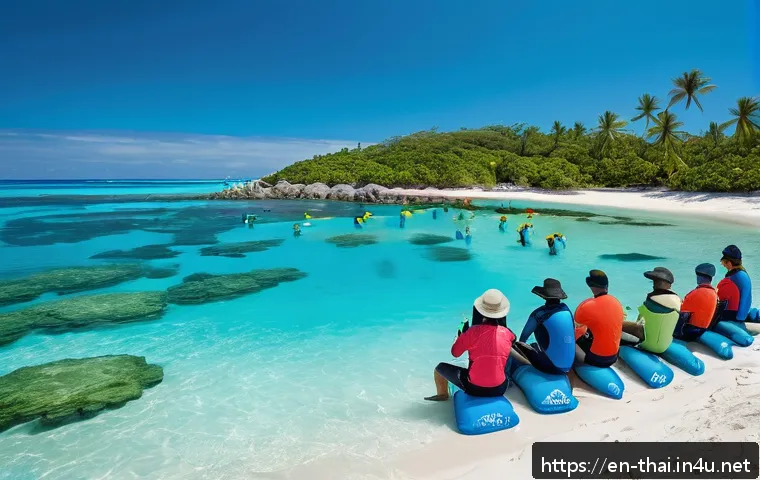
I recall witnessing bleached reefs during a dive trip, a stark reminder of how fragile these ecosystems are. Scientists in Thailand are closely monitoring temperature changes and bleaching events, striving to understand patterns and predict future risks to better prepare response strategies.
Adaptive Management and Resilience Building
To combat climate threats, Thailand is adopting adaptive management techniques that focus on building reef resilience. This includes protecting areas less vulnerable to warming, restoring degraded reefs rapidly, and promoting coral species more tolerant to heat stress.
From my discussions with marine ecologists, it’s clear that resilience isn’t just about surviving heat but also maintaining biodiversity and ecosystem functions.
These efforts are complex but crucial for the reefs’ long-term survival in a warming world.
International Collaboration and Funding for Climate Action
Thailand’s reef conservation is also part of a broader global effort. International partnerships provide funding, technology, and expertise to tackle climate change impacts on marine ecosystems.
I have seen how collaborative projects bring together scientists from different countries, sharing knowledge and resources to develop innovative solutions.
This cooperation underscores that coral reef survival is a shared responsibility, transcending national boundaries.
Measuring Success: Monitoring and Data-Driven Conservation
Long-Term Monitoring Programs
Effective conservation depends on accurate data, and Thailand has invested heavily in long-term reef monitoring programs. These initiatives track coral cover, species diversity, water quality, and human impacts over time.
I had the opportunity to visit a monitoring station where researchers analyze trends and adjust management plans accordingly. This ongoing assessment ensures that restoration efforts are responsive and adaptive, maximizing their effectiveness.
Citizen Science Contributions
Citizen science has become a valuable component in data collection. Tourists, divers, and locals contribute observations through apps and reporting platforms, expanding the reach of monitoring efforts.
I personally participated in a reef survey event where volunteers identified coral species and noted signs of stress. This inclusive approach not only supplements scientific data but also fosters public investment in reef health.
Key Indicators for Evaluating Reef Health
To gauge progress, conservationists focus on indicators such as coral recruitment rates, fish biomass, and incidence of disease. These metrics help paint a comprehensive picture of reef condition.
Below is a summary of some critical indicators and their significance:
| Indicator | What It Measures | Why It Matters |
|---|---|---|
| Coral Cover Percentage | Proportion of reef surface covered by live coral | Higher cover indicates healthier, more productive reefs |
| Fish Biomass | Total weight of fish in a given reef area | Reflects ecosystem balance and fishing pressure |
| Coral Recruitment Rate | Number of new coral larvae settling on the reef | Shows potential for reef recovery and growth |
| Disease Incidence | Frequency of coral diseases observed | High rates signal stress and declining reef health |
| Water Quality Parameters | Levels of nutrients, sediment, and pollutants | Poor water quality harms coral and marine life |
Economic Incentives Driving Conservation Efforts
Linking Reef Health to Tourism Revenue
Thailand’s economy benefits enormously from marine tourism, making reef health a direct economic concern. Coral reefs attract millions of visitors for snorkeling, diving, and beach activities, generating billions in income annually.
From chatting with local business owners, I learned how vibrant reefs boost visitor satisfaction and repeat tourism. This economic connection motivates stakeholders to invest in reef protection, recognizing that damaged reefs could lead to significant financial losses.
Payment for Ecosystem Services (PES) Programs
Innovative financial mechanisms like Payment for Ecosystem Services (PES) are emerging in Thailand. These programs compensate communities or businesses for protecting reefs that provide valuable services such as coastal protection, fisheries, and carbon sequestration.
I came across a PES initiative where resorts fund coral restoration projects, creating a direct link between business profits and environmental stewardship.
Such models encourage private sector involvement beyond traditional philanthropy.
Supporting Sustainable Fisheries and Alternative Livelihoods
To reduce pressure on reefs, authorities promote sustainable fisheries practices and alternative livelihoods. Training programs help fishermen transition to aquaculture or eco-tourism roles, reducing overfishing.
During field visits, I witnessed how these efforts improve community resilience and reef conservation simultaneously. The economic stability gained through these alternatives ensures people are less likely to resort to harmful practices, reinforcing the sustainability of marine ecosystems.
In Closing
Thailand’s coral reef restoration showcases how combining community involvement, innovative science, and sustainable tourism can create meaningful change. The success stories highlight the power of local stewardship and cutting-edge techniques working together to revive fragile ecosystems. Protecting these reefs is not only an environmental imperative but also essential for the livelihoods and culture of coastal communities. Continued collaboration and adaptive strategies will be vital to ensure these efforts endure for generations to come.
Useful Information to Keep in Mind
1. Community engagement is key—empowering locals leads to more effective and lasting reef conservation.
2. Modern coral farming techniques like microfragmentation significantly speed up reef recovery.
3. Eco-friendly tourism practices help balance economic benefits with environmental protection.
4. Monitoring reef health through both technology and citizen science ensures responsive management.
5. Economic incentives, including payment for ecosystem services, align financial interests with reef preservation.
Key Takeaways for Reef Conservation
Successful coral reef restoration depends on a holistic approach that integrates local community participation, scientific innovation, and sustainable economic models. Empowering fishermen and residents fosters stewardship, while advanced coral farming and monitoring technologies enhance restoration outcomes. Balancing tourism with conservation through responsible practices ensures reefs remain healthy and profitable. Addressing climate change impacts requires adaptive management and international cooperation. Finally, linking reef health to economic incentives creates a sustainable framework that benefits both people and nature.
Frequently Asked Questions (FAQ) 📖
Q: uestions about Thailand’s Coral Reef Conservation EffortsQ1: What innovative methods is Thailand using to restore its coral reefs?
A: Thailand has adopted several cutting-edge techniques to revive its coral reefs, including coral farming where fragments are grown in nurseries before being transplanted back to the ocean.
They also use underwater structures to provide stable surfaces for coral attachment, enhancing natural regeneration. These methods not only speed up reef recovery but also engage local communities, making conservation a collective effort.
From my experience reading about these projects, they blend science with hands-on care, which seems to be a game-changer in marine restoration.
Q: How are local communities involved in coral reef protection in Thailand?
A: Community-driven conservation is at the heart of Thailand’s approach. Fishermen, dive operators, and residents participate in monitoring reef health, enforcing no-fishing zones, and educating tourists about sustainable practices.
This grassroots involvement ensures that those who depend on the reefs for their livelihood take ownership of protecting them. I find this particularly inspiring because it creates a shared responsibility, turning conservation from a top-down mandate into a community passion.
Q: What impact could Thailand’s coral reef initiatives have on global marine conservation?
A: Thailand’s efforts offer a hopeful blueprint for other countries facing similar challenges. By combining innovative science, community engagement, and government support, these initiatives demonstrate how coral reefs can be restored even under pressure from climate change and human activity.
If widely adopted, such strategies could help safeguard marine biodiversity worldwide. Personally, seeing real progress in Thailand gives me optimism that coordinated action can make a tangible difference for our oceans’ future.