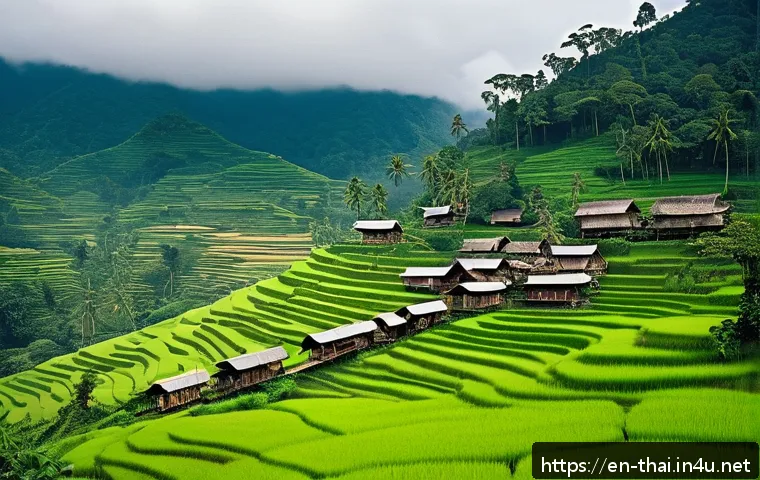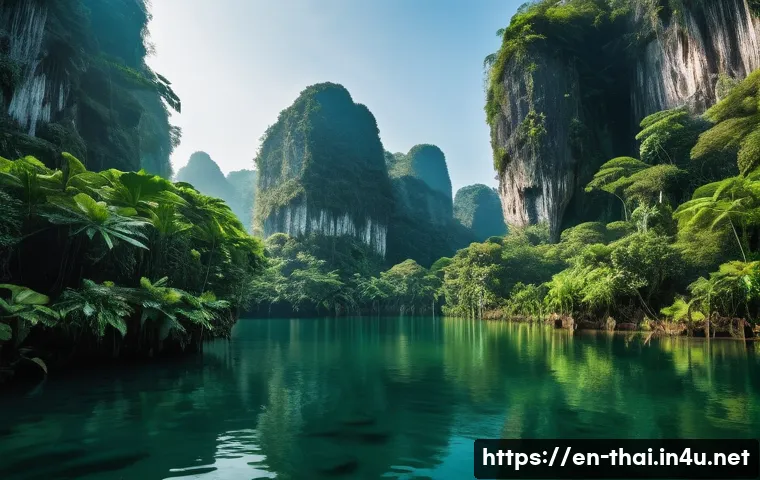
Thailand’s landscape is dotted with some of the most stunning karst formations in the world, where towering limestone cliffs rise dramatically from lush green jungles and crystal-clear waters.
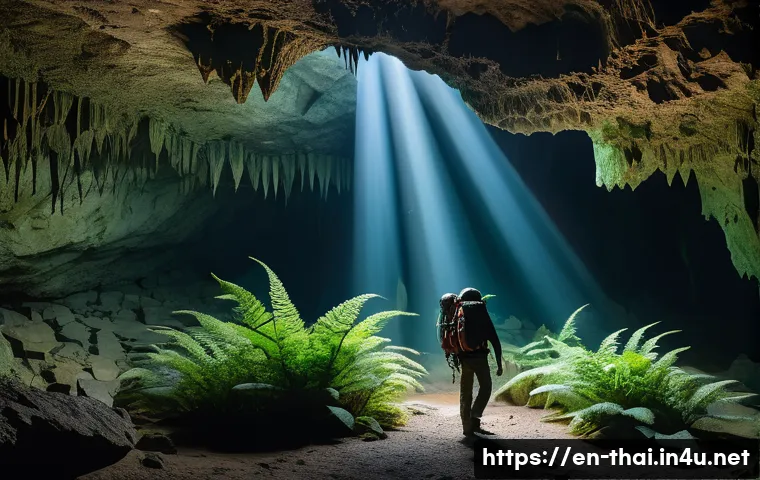
These natural wonders not only create breathtaking scenery but also hold significant geological and ecological value. Exploring these areas reveals fascinating caves, unique rock shapes, and rich biodiversity that attract adventurers and researchers alike.
Over time, the interaction of water and limestone has sculpted some of the most intricate and mysterious terrains on the planet. Whether you’re a nature lover or a curious traveler, Thailand’s karst landscapes offer an unforgettable experience.
Let’s dive deeper to uncover the secrets behind these remarkable formations!
The Dynamic Sculpting of Limestone Wonders
Water’s Persistent Role in Shaping the Terrain
The most captivating aspect of these limestone formations is how water, over thousands of years, has carved and shaped them into their present form. Rainwater, slightly acidic due to dissolved carbon dioxide, seeps into cracks and fissures in the limestone, gradually dissolving the rock.
This slow but relentless process creates deep grooves, caves, and jagged cliffs. Walking through these areas, you can almost feel the patient work of nature—each drop of water a tiny sculptor chiseling away at the stone.
What’s fascinating is that these formations are never static; they continue to evolve even today, meaning every visit might reveal subtle new changes in their shapes.
The Birth of Caverns and Hidden Passageways
Beneath the towering cliffs lie intricate cave systems that often remain hidden from casual observers. These caves, formed through the same dissolution process, can stretch for miles underground.
Exploring them, you find astonishing stalactites and stalagmites, some thousands of years old, growing so slowly that their formation is almost imperceptible within a human lifetime.
For adventurers, spelunking here is a unique experience—every chamber tells a story of geological time, water flow, and mineral deposits. Many caves also harbor rare ecosystems, where species have adapted to complete darkness and nutrient scarcity, adding another layer of wonder to these natural marvels.
The Influence of Climate and Vegetation on Karst Features
The lush jungles that surround these limestone towers are not just a backdrop but active players in the landscape’s ongoing transformation. Tropical rainfall accelerates limestone erosion, while roots from dense vegetation penetrate rock crevices, widening cracks and creating new pathways for water.
The interplay between flora and rock is a delicate balance; vegetation stabilizes some slopes but also contributes organic acids that enhance rock dissolution.
This dynamic relationship results in a constantly shifting terrain, where the growth of the forest and the erosion of the limestone occur side by side, creating the breathtaking scenery that draws millions of visitors every year.
Ecological Treasures Nestled in Rocky Giants
Biodiversity Hotspots Within Karst Landscapes
These limestone formations are more than just geological spectacles—they are vibrant ecosystems teeming with life. The isolated cliffs and caves serve as refuges for numerous endemic species of plants, birds, reptiles, and insects.
Because of the rugged terrain and limited human access, many species have evolved unique adaptations to survive in these microhabitats. For example, certain orchids cling exclusively to limestone outcrops, thriving in the nutrient-poor soil.
Bird species, such as swiftlets, use the caves for nesting, contributing to local economies through edible-nest harvesting traditions. This biodiversity hotspot underscores the importance of protecting karst areas from overdevelopment and environmental degradation.
Microclimates That Support Rare Flora and Fauna
Karst landscapes create varied microclimates due to differences in elevation, sunlight exposure, and moisture retention. These microclimates foster a surprising variety of plant life within relatively small areas.
Shaded caves maintain cooler, more humid conditions, ideal for mosses and ferns, while exposed cliff faces endure intense sun, supporting drought-resistant shrubs and grasses.
This patchwork of environments allows for coexistence of species that wouldn’t normally thrive side by side. For researchers, this complexity offers a living laboratory to study ecological interactions and evolutionary processes in real time.
Conservation Challenges and Efforts
Despite their natural beauty and ecological importance, these karst regions face significant threats. Quarrying for limestone, unsustainable tourism, and deforestation jeopardize fragile habitats.
Conservationists are increasingly advocating for sustainable management plans that balance human activity with preservation. Protected areas and national parks have been established, but enforcement remains a challenge.
Community-based conservation efforts, involving local populations in stewardship and eco-tourism, show promising results. Protecting these unique landscapes requires a combination of scientific research, policy support, and public awareness to ensure they remain pristine for generations to come.
Adventure and Discovery Amid Limestone Giants
Popular Spots for Exploration and Recreation
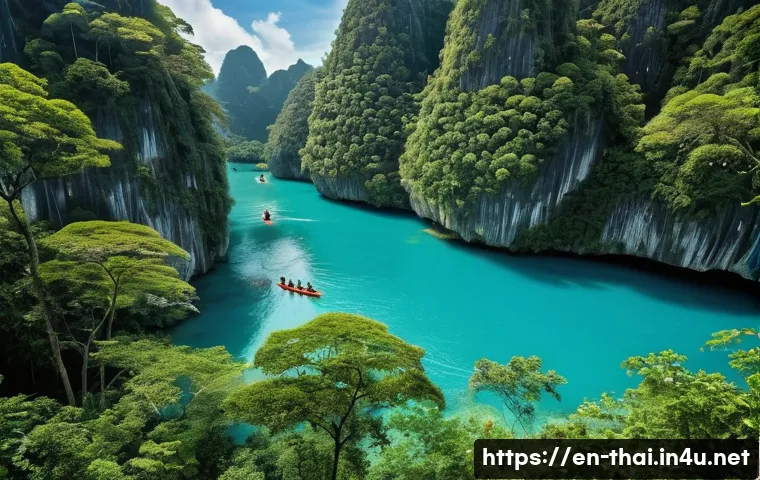
Many travelers are drawn to the karst landscapes for the thrill of exploration. Areas like Phang Nga Bay, Krabi, and Khao Sok offer an array of activities from kayaking through limestone caves to rock climbing on sheer cliffs.
For me personally, paddling through narrow waterways lined by towering limestone walls feels like stepping into another world. The sense of scale and the quiet beauty of the surroundings create a rare opportunity to disconnect and immerse in nature.
Whether you prefer guided tours or solo adventures, these locations cater to all levels of experience, making them accessible yet exhilarating.
Essential Tips for Safe and Responsible Travel
Navigating karst terrain requires caution and respect for the environment. Wearing appropriate footwear is crucial as paths can be slippery or uneven.
Carrying sufficient water and sun protection is a must, especially in tropical heat. It’s also wise to hire local guides who know the terrain intimately and can share insights about the area’s history and ecology.
From my own trips, I’ve learned that patience and mindfulness enhance the experience—taking time to listen to the sounds of the jungle or observe the unique rock formations enriches your journey far beyond just ticking off a sightseeing spot.
Capturing the Magic: Photography and Beyond
For photographers, the karst landscapes offer endless inspiration. The interplay of light and shadow on jagged cliffs, reflections in calm waters, and the rich greens of surrounding foliage create dramatic compositions.
Early mornings and late afternoons provide the best natural lighting, highlighting textures and colors. Bringing a zoom lens is handy for capturing wildlife or distant peaks.
But beyond photography, simply soaking in the atmosphere—feeling the cool cave air or hearing the distant call of birds—adds a deeper dimension to your visit, one that no image can fully capture.
Geological Insights Into Ancient Processes
The Formation Timeline of Karst Topography
Understanding how these limestone formations came to be requires a look back millions of years. The rock itself originated from ancient marine sediments rich in calcium carbonate, compacted and uplifted by tectonic forces.
Over time, surface water began its slow work of carving out the familiar karst features. This geological timeline reflects a complex dance between earth movements, climate shifts, and chemical weathering.
The result is a landscape that records earth’s history in stone—each layer and crack telling a chapter of the planet’s past.
Role of Tectonics and Sea Level Changes
Tectonic activity has played a crucial role in exposing limestone beds to surface conditions where erosion could occur. Uplift raised seabeds above water, allowing rain and rivers to interact with the rock.
Additionally, fluctuations in sea level during ice ages alternately submerged and exposed these formations, influencing erosion patterns and sediment deposition.
These dynamic changes helped sculpt the dramatic cliffs and isolated islands visible today. The geological complexity makes these areas a hotspot for scientific study, revealing insights about earth’s evolving landscape.
Comparative Analysis of Karst Regions Worldwide
Karst landscapes exist globally, but the ones in Thailand stand out due to their combination of tropical climate, biodiversity, and sheer visual impact.
Compared to karst regions in Europe or China, Thailand’s formations often feature steeper cliffs and more dense jungle coverage. This affects both erosion rates and ecological diversity.
The table below summarizes key characteristics of karst landscapes from different parts of the world, highlighting what makes Thailand’s karst especially unique.
| Region | Climate | Typical Features | Biodiversity | Human Interaction |
|---|---|---|---|---|
| Thailand | Tropical | Steep limestone towers, caves, dense jungle | High, many endemic species | Tourism, fishing, conservation areas |
| China (Guilin) | Subtropical | Karst hills, caves, rivers | Moderate, some rare plants | Tourism, agriculture |
| Europe (Slovenia) | Temperate | Karst plateaus, underground rivers | Moderate, unique cave fauna | Scientific research, tourism |
| Caribbean | Tropical | Coral limestone, sinkholes | Moderate, marine-associated species | Fishing, tourism |
Local Culture Interwoven With Natural Heritage
Traditional Uses of Karst Caves and Cliffs
Many local communities have long-standing cultural connections to these karst formations. Caves have been used as shelters, meditation spots, or even burial sites for centuries.
The cliffs often hold spiritual significance, with temples and shrines perched on precarious ledges. In some places, harvesting edible bird nests from cave ceilings is an ancient practice passed down through generations.
These cultural traditions add a human dimension to the natural landscape, blending history with geology in a way that enriches visitors’ appreciation.
Eco-Tourism and Community Involvement
Increasingly, local communities are becoming active participants in eco-tourism initiatives that promote sustainable interaction with karst environments.
Small-scale businesses offer guided hikes, boat tours, and educational programs that highlight conservation efforts. From my conversations with locals, it’s clear that they take pride in sharing their knowledge and protecting their heritage.
This involvement not only provides economic benefits but also fosters a deeper respect for the fragile ecosystems, helping to ensure these landscapes remain vibrant and healthy.
Artistic Inspiration and Storytelling
The dramatic silhouettes of limestone karsts have inspired countless artists, writers, and filmmakers. Their mysterious shapes evoke legends and myths, often featuring in folklore as homes of spirits or ancient gods.
Modern creatives continue to draw on this imagery, incorporating it into visual arts, music videos, and literature. Experiencing the landscape firsthand, you can understand why it sparks such imagination—the sheer scale and beauty stir emotions that transcend ordinary experience, making it a muse for many.
Scientific Exploration and Future Research Directions
Ongoing Geological Studies
Researchers continue to study the karst landscapes to better understand their formation, evolution, and ongoing changes. Advanced techniques like 3D mapping and isotopic analysis reveal details invisible to the naked eye, such as subtle shifts in rock composition and underground water flow.
These studies provide clues about past climate conditions and help predict future geological developments. From what I’ve read and observed in field reports, the potential for new discoveries remains vast, with each expedition uncovering fresh insights.
Ecological Monitoring and Species Discovery
Field biologists regularly survey these areas for new or rare species, particularly in caves where biodiversity is less explored. Recent expeditions have identified previously unknown insects, amphibians, and even small mammals, emphasizing the importance of preserving these habitats.
Continuous monitoring helps detect environmental changes caused by climate or human impact, informing conservation strategies. Personally, I find it thrilling that these landscapes still hold secrets waiting to be uncovered, blending adventure with scientific inquiry.
Challenges in Balancing Research and Preservation
While scientific exploration is vital, it must be carefully balanced with conservation priorities. Excessive foot traffic or improper research methods can damage fragile formations and disturb wildlife.
Researchers and park managers increasingly collaborate to establish protocols that minimize impact, such as limiting access to sensitive zones and using non-invasive technologies.
This responsible approach ensures that the karst wonders remain intact while expanding our understanding, a balance I believe is essential for the future of these extraordinary landscapes.
Conclusion
These limestone wonders stand as timeless testaments to nature’s artistry and resilience. Their ongoing transformation, rich biodiversity, and cultural significance make them truly remarkable. Exploring these landscapes offers not just adventure but a deeper connection to Earth’s history and living ecosystems. Protecting and appreciating these natural treasures ensures they continue to inspire for generations to come.
Useful Information to Know
1. Always wear sturdy, non-slip footwear when exploring limestone terrains to ensure safety on uneven or wet surfaces.
2. Hiring local guides enhances your experience by providing expert knowledge of the geology, ecology, and cultural stories of the area.
3. Carry sufficient water and sun protection, especially in tropical climates, to stay hydrated and comfortable during outdoor activities.
4. Respect conservation rules and avoid disturbing wildlife or delicate formations to help preserve these fragile ecosystems.
5. Early morning and late afternoon offer the best lighting conditions for photography, capturing the dramatic contrasts of limestone landscapes.
Key Takeaways
Limestone karst landscapes are dynamic environments shaped by water, climate, and vegetation over millennia. They harbor unique ecosystems with rare species adapted to specialized microclimates, making conservation critical. Adventure seekers can enjoy diverse recreational activities, but responsible tourism and local community involvement are essential to protect these natural and cultural treasures. Scientific research continues to reveal new insights, highlighting the need to balance exploration with preservation for a sustainable future.
Frequently Asked Questions (FAQ) 📖
Q: What causes the unique karst formations in Thailand’s landscape?
A: The stunning karst formations in Thailand are primarily shaped by the natural process of limestone erosion. Over millions of years, slightly acidic rainwater seeps into cracks in the limestone bedrock, gradually dissolving it and creating dramatic cliffs, caves, and intricate rock shapes.
This ongoing interaction between water and limestone sculpts the breathtaking landscapes you see today, making them both geologically fascinating and visually spectacular.
Q: Are the karst areas in Thailand safe and accessible for tourists to explore?
A: Yes, many karst regions in Thailand are accessible and popular among tourists, but safety depends on the specific location and activity. Well-known spots like Phang Nga Bay and Krabi have guided tours that ensure safe exploration of caves and cliffs.
However, some remote or rugged areas require experienced guides or specialized equipment. It’s always wise to follow local advice, stay on marked trails, and use certified guides when venturing into less-developed karst landscapes.
Q: What kind of wildlife and plants can be found around Thailand’s karst formations?
A: Thailand’s karst landscapes support a rich diversity of flora and fauna. The limestone cliffs and caves provide unique habitats for bats, swiftlets, and various bird species, while the surrounding jungles are home to monkeys, reptiles, and countless insects.
Plant life includes rare orchids, ferns, and specialized limestone-adapted trees. Exploring these areas offers a chance to witness ecosystems that have adapted specifically to the challenging terrain, making each visit both a natural and scientific adventure.