Thailand’s cultural exchange is best understood as a long process of religion, trade, migration, diplomacy, and regional contact rather than as one fixed tradition.
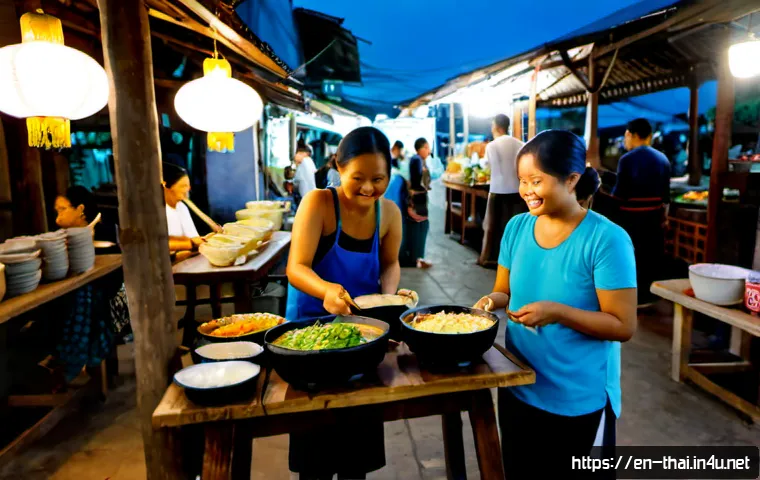
For visitors, a museum or heritage guide is usually the clearest choice for history, a cooking class suits food-focused travel, and a workshop or language exchange can offer more direct participation.
Theravada Buddhism, South Asian literary and artistic traditions, Chinese commerce and migration, and connections across Southeast Asia all remain visible in daily life.
The most worthwhile cultural activity is not always the highest-rated one; it should match your learning goal, available time, group needs, and comfort level.
Before booking, compare who leads the experience, what is included, how large the group is, and whether transport or accessibility details are clearly explained.
A respectful visit also means recognizing that customs differ across regions of Thailand.
At a Glance
- Thailand’s culture reflects enduring connections with South and Southeast Asia, China, and later global trading networks.
- For historical context, choose a museum visit or guided heritage tour; for practical learning, consider a cooking class, craft workshop, or language exchange.
- At temples, dress modestly, remove shoes where required, and follow posted photography rules.
| Experience Type | Best For | What to Compare Before Booking | Value Factor |
|---|---|---|---|
| Museum visit | Independent learners and student groups | Current opening details, language support, accessibility, exhibitions | Clear historical context at your own pace |
| Guided heritage tour | First-time visitors and history-focused travelers | Group size, guide background, transport, site admissions, itinerary | Interpretation of places that may otherwise feel difficult to read |
| Cooking class | Food-focused travelers and families | Menu, market component, dietary communication, class size, inclusions | Hands-on understanding of ingredients and cooking methods |
| Craft workshop or performance | Art and culture interests | Instructor or local leadership, participation level, timing, photography policy | Direct engagement with a specific art form or practice |
| Language exchange or community activity | Longer stays and deeper conversation | Format, expectations, location, facilitation, community role | More space for mutual learning than a quick sightseeing activity |
How Cultural Exchange Shaped Modern Thai Life
The Meeting of Regional Trade, Religion, Migration, and Diplomacy
Thai cultural life developed through long-standing contact with South and Southeast Asia, China, and wider trading networks. These connections moved more than goods. They also carried religious ideas, stories, artistic forms, ingredients, languages, and social practices. Historic cities such as Ayutthaya served as diplomatic and commercial centers with international communities, making exchange part of urban life as well as courtly life.
Why Thai Culture Combines Continuity with Adaptation
Many visitors notice strong continuity in temple customs, public holidays, art, and social etiquette. At the same time, Thailand has adapted influences from neighboring societies and global commerce in distinct ways. It is more useful to ask how a custom developed in a particular place than to assume every practice represents all of Thailand. Regional variation matters: central, northern, northeastern, and southern traditions can differ substantially.
Three Quick Takeaways for Respectful Visitors
First, treat a temple as an active religious setting, not only a photo stop. Second, see Thai food as part of regional exchange rather than a single unchanging national menu. Third, choose cultural tours and classes for the kind of learning they offer, not simply for a broad claim of “authenticity.”
Key Cultural Influences to Recognize in Thailand
Buddhist Traditions and South Asian Artistic Heritage
Theravada Buddhism is central to many Thai traditions, temple practices, art forms, public holidays, and social customs. Indian religious and literary traditions also influenced Thai language, royal terminology, performing arts, and the Ramakien, Thailand’s national epic. A museum, temple visit, or well-contextualized heritage tour can help connect these influences without reducing them to decorative symbols.
Chinese Communities, Foodways, and Commerce
Chinese migration and commerce have had a lasting influence on Thai food, business communities, festivals, and urban life. Food is one approachable place to observe cultural exchange, although one meal cannot explain a whole history. A cooking school may be valuable when it explains ingredients, preparation methods, and the regional background of dishes rather than only providing a quick recipe session.
Khmer, Lao, Malay, and Wider Southeast Asian Connections
Thailand’s cultural landscape also belongs to a wider mainland and maritime Southeast Asian setting. Connections with Khmer, Lao, Malay, and other regional traditions can be reflected in local histories, foodways, art, language, and religious life. Avoid treating these connections as proof that one region is culturally identical to another. The better approach is to notice shared histories alongside local differences.
International Trade and Changing Urban Culture
Later European and global trading networks added further layers to Thailand’s commercial and urban connections. In a historic city or major urban area, a guided cultural tour may help explain why international contact shaped particular neighborhoods, markets, and institutions. Check whether the guide’s description identifies the sites covered and the historical focus before reserving.
Comparing Cultural Experiences: What Is Worth Paying For?
Museums, Heritage Tours, and Historic-Site Guides
A museum visit works well when you prefer to read, move at your own pace, and build basic context before exploring. A guided heritage tour can add value when you want help interpreting a historic site, connecting different periods, or managing transport between locations. For a student group, consider whether the activity has clear learning objectives and whether the schedule allows time for questions.
Cooking Classes, Craft Workshops, and Local Performances
Choose a cooking class if your goal is practical food knowledge. Choose a craft workshop if you want focused participation in a particular technique or art form. A local performance may be more suitable when time is limited and you want an introduction rather than a hands-on lesson. Compare the stated inclusions carefully: materials, food, transport, market visits, and admissions can affect the total value of a cultural experience.
Language Exchanges and Community-Based Activities
Language exchanges can be especially useful for travelers staying longer, students, and educators planning exchange activities. They often create room for conversation rather than one-way presentation. However, do not assume a listing is community-led, ethical, or culturally accurate without checking current information. Look for a clear description of the host role, group format, and expectations for participants.
Cost and Value Checks Before Booking in Thai Baht
When comparing prices in Thai baht, do not focus on the headline amount alone. Ask what is included, whether transportation is needed, whether the group is small or large, and whether the activity fits your actual interest. A lower-priced independent visit may be enough for a confident traveler, while a guide can be worth considering when context, navigation, or structured learning is the priority.
Etiquette, Planning, and Mistakes to Avoid
Temple Dress, Footwear, and Photography Expectations
Temple etiquette is straightforward when you pay attention. Wear modest clothing, remove shoes where required, and follow posted photography rules. Requirements can differ by location, so treat signs and staff guidance as the most relevant direction during your visit. Do not assume photography is allowed simply because a site is popular with visitors.
Respectful Conversation, Gestures, and Public Behavior
Listen before making broad claims about Thai identity, religion, or local customs. Keep in mind that cultural experiences involve real communities, not a performance arranged solely for visitors. A calm, observant approach is usually more helpful than trying to copy gestures or etiquette you do not understand.

Avoiding Stereotypes and Staged “Authenticity”
There is no single experience that can represent all Thai culture. Be cautious with activities that make vague promises of “real” or “authentic” culture while offering little information about who leads them or what participants will learn. A more credible listing typically explains the format, location, local context, and practical conditions.
Checking Cancellation Terms, Transport, and Accessibility
Before booking a cultural activity, check the current date, meeting point, transport arrangements, cancellation terms, and accessibility information. Also confirm whether a temple, museum, workshop, or event is open on your planned date. These details can change, and they should be verified directly rather than assumed from an older listing.
Choosing Experiences by Travel Goal
Best Approach for First-Time Visitors
For a first visit, combine one independent museum or temple visit with one guided heritage experience if you want historical explanation. This balances flexibility with context. Keep the plan simple and leave time to observe rather than trying to cover every region or tradition in a short stay.
Options for Families and Student Groups
Families may prefer a cooking class or craft workshop with a clear participation format. Student groups may gain more from a museum, historic-site guide, or language exchange linked to a specific learning theme. In both cases, confirm group size, supervision expectations, transport, and accessibility before making arrangements.
Deeper Learning for Food, History, Art, or Language Interests
Food-focused travelers can prioritize a class that explains ingredients and regional cooking methods. History-focused travelers may prefer a heritage guide or museum sequence. Art-focused visitors can look for workshops or performances with meaningful context, while language learners should seek an exchange format that allows conversation rather than only passive observation.
When an Independent Visit Is Enough and When a Guide Adds Value
An independent visit is often enough when information is available on-site and you are comfortable planning transport and timing. A guide may add value when a place has complex historical layers, when you want to ask questions, or when multiple sites need to be connected in one day. The key is not whether a tour is automatically better, but whether it solves a real planning or learning need.
Selection Criteria and Comparison Summary
Match the Experience to Your Time, Budget, and Learning Goal
Start with one question: do you want historical context, a practical skill, family-friendly participation, or conversation with local people? Then compare activities by the amount of time required, the stated total cost in Thai baht, and the level of involvement offered. A good choice should make sense for your itinerary rather than force your itinerary around a vague promise.
Prioritize Transparent Pricing, Small-Group Clarity, and Local Context
Prioritize descriptions that clearly state what is included, how transport works, who leads the activity, and what the group format is. Compare group size, inclusions, transport, and local leadership before booking. Check the official information or detailed activity page for current availability, conditions, and practical requirements.
Final Checklist Before Reserving a Cultural Activity
Confirm the date and opening status; compare total inclusions; check group size; review transport and accessibility; and make sure the cultural focus matches your reason for going. If an activity involves a temple, workshop, homestay, or community setting, read the participation expectations carefully and arrive prepared to follow local guidance.
Closing Thoughts
Thailand’s cultural exchange is visible in religious life, literature, food, commerce, cities, and regional traditions. The most rewarding visits begin with curiosity and a willingness to notice complexity. Choose experiences that explain context clearly, allow respectful participation, and fit your own learning goal. A thoughtful plan can make even a short visit more meaningful.
Useful Things to Know
1. Regional traditions are not interchangeable, so avoid using one destination to make claims about the entire country.
2. Temple rules may vary by location; posted instructions should guide your behavior.
3. A cultural activity can be enjoyable and still require careful checking of its current format, leadership, and availability.
Important Notes
Specific prices, quality, accessibility, ethical standards, community benefit, and opening dates for tours, classes, museums, temples, and workshops require current confirmation. Do not assume that a commercial experience is community-led or culturally accurate without reviewing its latest details and conditions.
Frequently Asked Questions
Q1. What are the biggest cultural influences on Thailand?
A1. Major influences include Theravada Buddhism, South Asian religious and literary traditions, Chinese migration and commerce, connections across Southeast Asia, and later European and global trading networks. These influences appear in art, language, food, festivals, urban life, and historical sites.
Q2. Are guided cultural tours in Thailand worth the cost compared with visiting sites independently?
A2. A guided tour may be worthwhile when you want historical interpretation, help connecting several sites, or easier transport planning. An independent visit can be enough if you prefer flexibility and can access useful information on-site. Compare group size, inclusions, transport, and guide details before deciding.
Q3. How can visitors participate in Thai cultural activities respectfully?
A3. Dress modestly at temples, remove shoes where required, obey photography rules, and follow staff or host guidance. Avoid treating Thai culture as uniform or expecting a community activity to perform “authenticity” for visitors. Ask practical questions, listen carefully, and choose experiences with clear expectations.