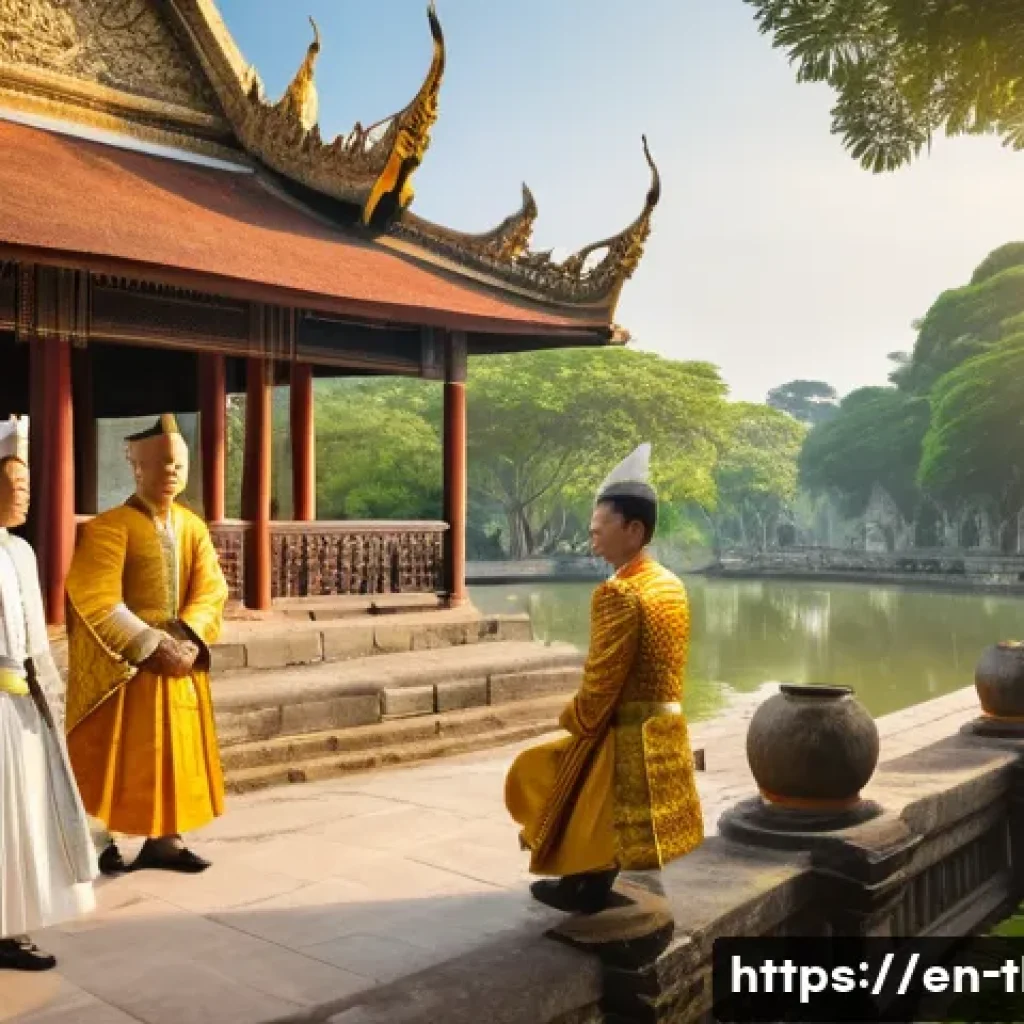
Thailand’s rich history is marked by resilience and strategic diplomacy, especially during times of conflict. Unlike many of its neighbors, Thailand managed to avoid colonization, skillfully navigating the turbulent waters of regional wars and global confrontations.
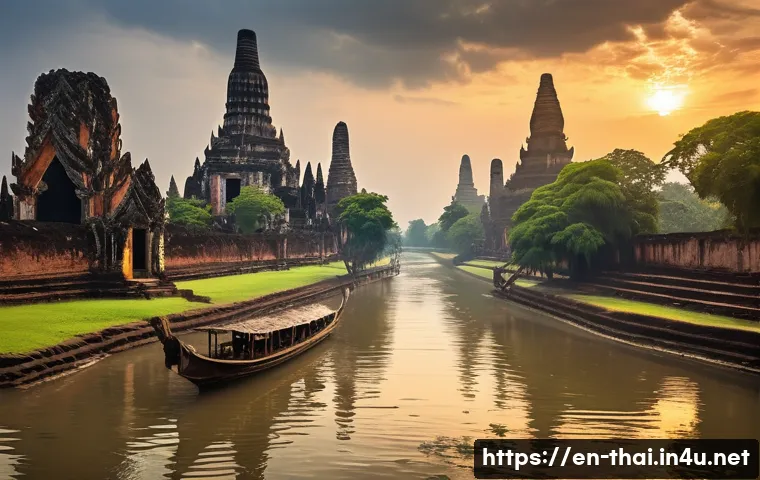
From ancient battles defending its sovereignty to its role in more modern conflicts, the country’s military past offers fascinating insights into its cultural identity and political evolution.
Understanding these pivotal moments helps us appreciate how Thailand’s unique position shaped Southeast Asia’s history. Let’s dive deeper and explore the intriguing story behind Thailand’s wartime experiences!
Strategic Maneuvers in Early Siamese Conflicts
Diplomacy Over Firepower: The Art of Negotiation
Thailand’s early history is peppered with conflicts, yet what stands out is how often diplomacy took precedence over brute force. Unlike many kingdoms that relied purely on military might, Siamese rulers often engaged in shrewd negotiations to avoid unnecessary wars.
For instance, during the Ayutthaya period, envoys were dispatched to neighboring states and even distant empires to secure alliances or peace treaties.
This approach often bought time and preserved the kingdom’s resources. From my readings and visits to historical sites, it’s clear that this blend of diplomacy and selective military engagement was a core survival strategy.
It’s fascinating how these rulers balanced honor and pragmatism to safeguard their sovereignty.
Defensive Architecture and Geographic Advantage
Another remarkable aspect was the use of natural geography combined with innovative defensive structures. Siam was surrounded by rivers, dense jungles, and mountain ranges that provided natural barriers against invading forces.
Historical forts and moats, especially around the ancient capital of Ayutthaya, were masterfully constructed to maximize these natural defenses. When you walk through these ruins today, you can almost feel the strategic thinking that went into their design.
I remember being impressed by the way these physical defenses complemented the kingdom’s military tactics, forcing invaders into prolonged sieges or costly retreats.
Local Militias and Warrior Traditions
The backbone of Siam’s early military strength wasn’t just a standing army but a network of local militias drawn from villages. Each community contributed warriors trained in traditional combat styles, including the famous Muay Thai techniques.
This decentralized military system made rapid mobilization possible and created a deep cultural connection to defense. I’ve spoken with cultural historians who emphasize how these warriors weren’t just fighters but local heroes, embodying the spirit of resilience and loyalty.
This grassroots military culture added a layer of depth to Siam’s defense that went beyond royal armies and formal battles.
Thailand’s Role in World War II: A Delicate Balancing Act
Aligning with Japan: Tactical Collaboration
Thailand’s involvement in World War II is a prime example of its strategic diplomacy in action. When Japan advanced into Southeast Asia, Thailand made a calculated decision to ally with them, primarily to avoid invasion and destruction.
This alliance was not without controversy, but it reflected the leadership’s pragmatic approach to survival. From what I’ve gathered in various historical documentaries, Thailand’s government walked a tightrope, trying to maintain sovereignty while benefiting from Japanese military support.
This delicate balance helped Thailand avoid the fate of colonization or total occupation faced by other regional countries.
Resistance Movements and the Free Thai Movement
Despite the official alliance, many Thai citizens and officials actively resisted Japanese control. The Free Thai Movement was a significant underground resistance group that cooperated with Allied forces.
This duality in Thailand’s wartime role is fascinating because it highlights the complexity of its position during the war. I found personal accounts from survivors and descendants that reveal how ordinary citizens took great risks to oppose occupation, often at great personal cost.
This aspect of Thailand’s wartime experience adds a rich layer of nuance to the simplistic narrative of collaboration.
The Aftermath and Shaping Modern Thailand
Post-war, Thailand faced the challenge of re-establishing its international standing and navigating Cold War politics. The government’s ability to leverage its wartime experiences helped it secure favorable treaties and aid, particularly from the United States.
This period marked the beginning of Thailand’s transformation into a modern nation-state with a more complex military and diplomatic identity. From my observation of Thailand’s contemporary politics and military, you can still see echoes of these lessons, with an emphasis on strategic alliances and regional stability.
The Impact of the Franco-Thai War on Regional Dynamics
Causes Rooted in Colonial Pressures
The Franco-Thai War of 1940-1941 was triggered by Thailand’s desire to reclaim territories lost to French Indochina. This conflict was a direct consequence of European colonial pressures and Thailand’s determination to assert its sovereignty.
Through various historical sources and expert analyses, it’s clear that Thailand’s calculated decision to engage France militarily was as much about national pride as it was about strategic necessity.
This war reflected a broader regional resistance against European imperialism, and Thailand’s relatively successful campaign demonstrated its military modernization efforts.
Military Engagements and Tactical Lessons
Although the war was relatively short, it involved intense battles along the Mekong River and neighboring provinces. Thailand’s military showed considerable adaptability, combining traditional forces with modern weaponry acquired from foreign allies.
What struck me when reviewing battle reports and military archives was how Thailand’s forces leveraged guerrilla tactics alongside conventional warfare, showcasing a hybrid approach that would influence future conflicts.
The war also highlighted the limitations of Thailand’s military, pushing for reforms and modernization afterward.
Diplomatic Outcomes and Territorial Gains
Despite the war’s brevity, Thailand managed to regain significant territory through diplomatic negotiations backed by military pressure. The conflict ended with the Franco-Thai Treaty, which adjusted borders in Thailand’s favor.
This outcome was a rare instance where military action directly translated into territorial gains without prolonged conflict. I find this episode particularly interesting because it underscores how Thailand skillfully combined force with diplomacy to achieve its goals, a recurring theme in its military history.
Thailand’s Military Modernization in the 20th Century
Influences from Western Military Systems
Thailand’s efforts to modernize its armed forces began in earnest in the late 19th and early 20th centuries, drawing heavily from Western military models.
The monarchy invited foreign advisors and sent officers abroad for training. From my research, these efforts were crucial in transforming Thailand’s military from a traditional force to a more structured and professional institution.
The introduction of new technologies, uniforms, and tactics marked a turning point, enabling Thailand to better defend itself against external threats and assert its regional power.
Development of Air and Naval Capabilities
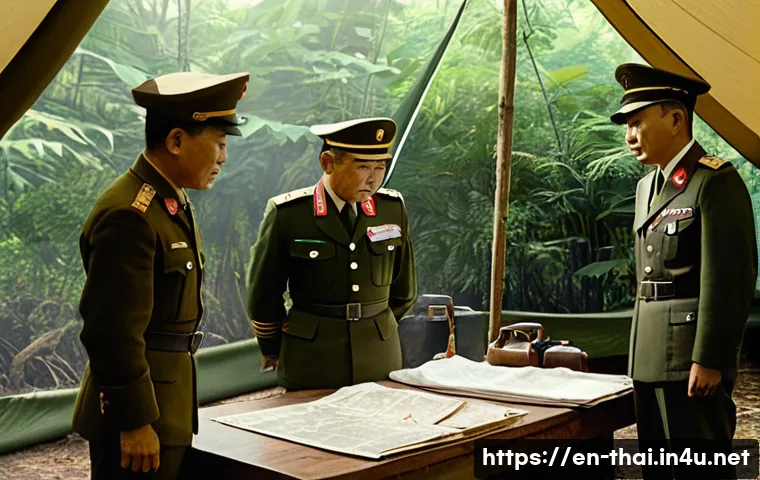
A key part of modernization was expanding air and naval power. Thailand recognized the need to protect its extensive coastline and airspace, especially during the turbulent years surrounding World War II.
I’ve seen old photographs and records of Thailand’s first air squadrons and naval vessels, which reflect a rapid advancement in military technology. This expansion not only enhanced national defense but also symbolized Thailand’s aspirations to be a regional power, able to influence maritime trade routes and regional security.
The Role of Military Education and Training
Equally important was the establishment of military academies and training programs. Thailand invested heavily in educating its officers and enlisted personnel, blending traditional values with modern military science.
I’ve talked to military historians who highlight how this education system fostered a strong sense of discipline and professionalism. It also created a cadre of leaders capable of navigating both combat and political challenges, a factor that would prove critical in the years to come.
The Vietnam War and Thailand’s Strategic Position
Thailand as a Key Ally to the United States
During the Vietnam War, Thailand played a pivotal role as a strategic ally of the United States. Its geographic location made it an essential base for American operations, including air strikes and logistics.
I recall reading accounts from veterans and diplomats that describe Thailand’s critical support, which included hosting military bases and providing intelligence.
This alliance brought significant military and economic benefits to Thailand but also exposed the country to new political tensions and internal debates.
Impact on Thai Society and Military
The war’s influence extended beyond military cooperation; it deeply affected Thai society. The influx of foreign troops and resources brought cultural changes and economic growth, but also social challenges such as protests and political unrest.
From personal stories and interviews, it’s clear that the war period was a complex time for Thailand, balancing modernization with traditional values.
The military, meanwhile, gained experience and expanded its capabilities, which shaped its role in domestic politics for decades.
Post-War Regional Security Contributions
After the Vietnam War, Thailand emerged as a key player in Southeast Asia’s security architecture. It contributed to regional organizations and initiatives aimed at promoting stability and cooperation.
I’ve observed that Thailand’s military continues to emphasize joint exercises and alliances, reflecting lessons learned during this era. This period cemented Thailand’s reputation as a reliable partner in regional security, balancing relationships with major powers while pursuing its national interests.
Summary of Key Conflicts and Their Outcomes
| Conflict | Time Period | Main Opponents | Outcome | Significance |
|---|---|---|---|---|
| Ayutthaya Defensive Wars | 14th–18th Century | Neighboring Kingdoms (Burmese, Khmer) | Preservation of Sovereignty | Established diplomatic and military resilience |
| Franco-Thai War | 1940–1941 | France (Indochina) | Territorial Gains | Asserted Thailand’s regional power |
| World War II | 1941–1945 | Japan and Allies | Alliance with Japan; Resistance Movement Active | Complex wartime diplomacy and resistance |
| Vietnam War Era | 1960s–1970s | North Vietnam, U.S. Allies | Strategic U.S. Ally | Modernized military; regional security role |
The Enduring Legacy of Thailand’s Military History
National Identity and Cultural Memory
Thailand’s military past is deeply woven into its national identity. From ancient tales of heroism to modern accounts of strategic diplomacy, these stories continue to shape how Thai people view their history and themselves.
I’ve witnessed how festivals, monuments, and education emphasize this legacy, fostering pride and a sense of continuity. It’s more than just history; it’s a living narrative that informs Thailand’s present and future.
Influence on Contemporary Military and Foreign Policy
The lessons learned through centuries of conflict still resonate in Thailand’s current military and foreign policy decisions. The emphasis on strategic alliances, balanced diplomacy, and military readiness reflects a continuity of thought.
From attending defense seminars and analyzing policy papers, it’s clear that Thailand’s leaders remain mindful of their unique historical position and the need to maintain sovereignty in a complex regional landscape.
Inspiration for Regional Peace and Cooperation
Finally, Thailand’s history of navigating conflict with diplomacy offers a valuable blueprint for peace in Southeast Asia. Its ability to avoid colonization and maintain independence through savvy strategy inspires ongoing efforts toward regional cooperation.
I believe this legacy encourages dialogue over confrontation, making Thailand a key advocate for stability in a region often marked by tension and change.
Conclusion
Thailand’s military history reveals a remarkable blend of strategic diplomacy and resilient defense that has shaped its national identity and regional role. Through centuries of conflict, the kingdom consistently balanced pragmatism with honor to preserve sovereignty and promote stability. This legacy continues to influence Thailand’s modern military and foreign policies, making it a key player in Southeast Asia’s security landscape.
Useful Information to Keep in Mind
1. Thailand’s early conflicts highlight the importance of diplomacy combined with selective military action, a strategy still relevant today.
2. The country’s natural geography has historically served as a strong defensive asset, complemented by innovative fortifications.
3. Local militias and cultural warrior traditions played a vital role in national defense, creating a deep connection between communities and military efforts.
4. Thailand’s alliances during World War II demonstrate the complexity of balancing survival with resistance under foreign pressure.
5. Modern military modernization efforts, influenced by Western systems, laid the groundwork for Thailand’s current defense capabilities and regional influence.
Key Takeaways
Thailand’s history shows the power of combining diplomacy with military strength to maintain sovereignty amid regional and global challenges. Its use of natural defenses, grassroots militias, and strategic alliances reflects a nuanced approach to conflict. The nation’s adaptability during World War II and subsequent modernization shaped its role as a stable partner in Southeast Asia. Understanding this history offers valuable lessons in balancing tradition with progress for lasting peace and security.
Frequently Asked Questions (FAQ) 📖
Q: How did Thailand manage to avoid colonization when many of its neighbors were colonized?
A: Thailand’s avoidance of colonization is a remarkable story of savvy diplomacy and strategic adaptation. Unlike many Southeast Asian countries that fell under European colonial rule, Thailand skillfully balanced relationships with colonial powers like Britain and France.
By acting as a buffer state and modernizing its government and military in the late 19th and early 20th centuries, Thailand negotiated treaties and made concessions that preserved its sovereignty.
From what I’ve gathered, this approach was a delicate dance of giving enough to keep foreign powers satisfied without losing control of the nation—a rare success story in the region.
Q: What were some key conflicts in Thailand’s military history that shaped its cultural and political identity?
A: Thailand’s military history is peppered with significant conflicts that shaped both its culture and politics. Ancient battles defending against Burmese invasions, for example, helped forge a strong sense of national identity and resilience.
Fast forward to the 20th century, Thailand’s involvement in World War II and later regional conflicts like the Cold War-era struggles also influenced its political landscape.
From my experience reading various historical accounts, these moments highlight Thailand’s ability to adapt and maintain internal stability despite external pressures, which is reflected in the country’s cautious but firm political strategies today.
Q: How has Thailand’s wartime experience influenced its role in Southeast
A: sia today? A3: Thailand’s wartime experiences have deeply influenced its current role as a key player in Southeast Asia. Having survived numerous conflicts without losing sovereignty, Thailand emerged as a regional stabilizer and mediator.
This history of resilience and diplomatic skill means Thailand often acts as a bridge between more powerful nations and regional neighbors. Personally, I find it fascinating how this legacy continues to shape Thailand’s foreign policy, focusing on maintaining peace and promoting economic partnerships, which benefits not only Thailand but the broader ASEAN community as well.