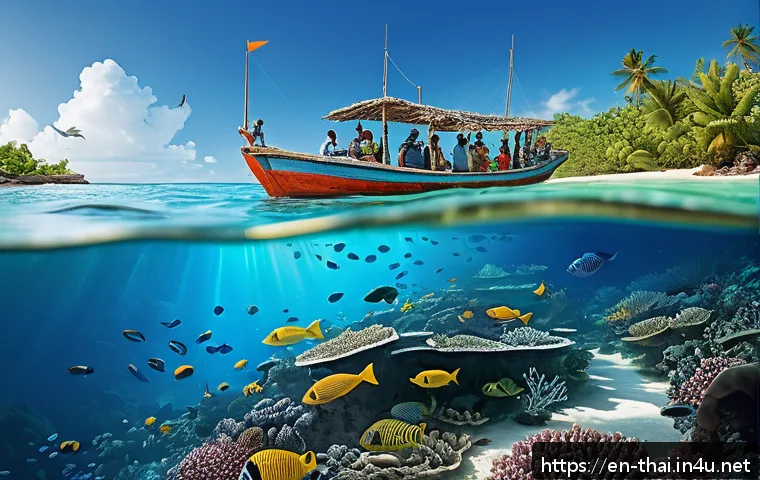
As climate change and human activities continue to threaten our oceans, innovative approaches to marine conservation have never been more crucial. Thailand, renowned for its vibrant coral reefs and rich biodiversity, is leading the way with cutting-edge strategies to protect these fragile ecosystems.
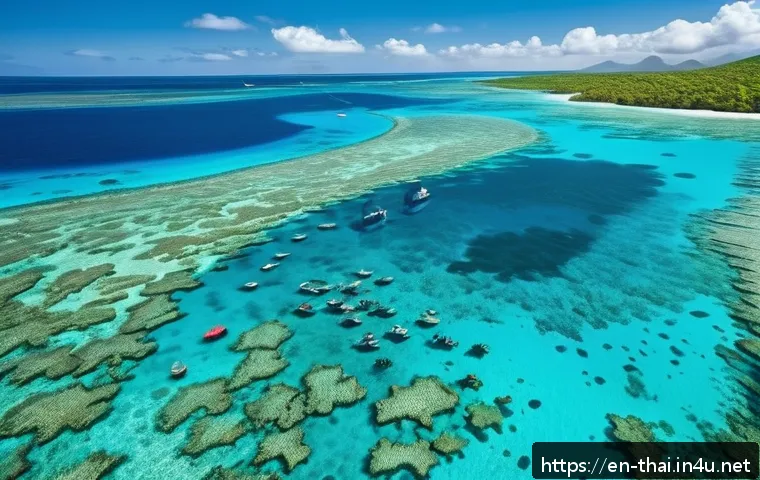
From community-driven projects to advanced scientific monitoring, their efforts offer inspiring solutions that balance environmental preservation with sustainable tourism.
Join me as we dive into how Thailand’s unique initiatives are making waves in safeguarding marine life for future generations. This journey into marine conservation reveals not just challenges, but hopeful progress worth celebrating.
Community Empowerment in Coastal Stewardship
Local Fishermen as Conservation Champions
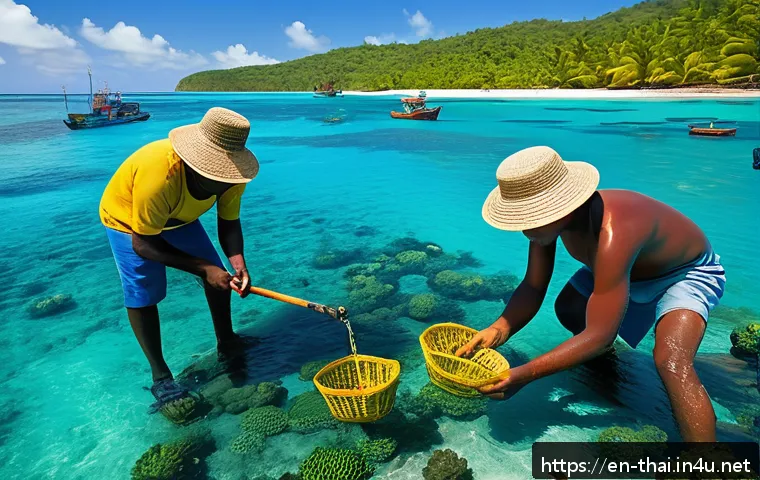
The heart of Thailand’s marine conservation lies in its coastal communities, especially fishermen who intimately know the sea’s rhythms. Instead of sidelining them, conservation programs actively involve these locals as frontline protectors of marine habitats.
Their traditional knowledge combined with new sustainable practices creates a powerful synergy. For example, many fishermen have shifted from destructive methods like blast fishing to sustainable netting, motivated by both environmental awareness and improved long-term catches.
This shift didn’t happen overnight—ongoing education sessions and support from NGOs helped build trust and showed tangible benefits, making conservation a shared goal rather than an imposed restriction.
I’ve seen firsthand how when locals take pride in their role as guardians, compliance with marine protected areas increases significantly, leading to healthier reefs and fish stocks.
Community-Led Marine Protected Areas
Thailand’s approach to Marine Protected Areas (MPAs) goes beyond government designation—it often empowers villages to manage their own coastal zones. These community-based MPAs allow residents to set rules tailored to their needs and ecological realities, such as seasonal fishing bans or reef restoration projects.
The advantage is twofold: greater local buy-in and quicker response to environmental changes. In some villages, this has led to remarkable recovery of coral cover and fish populations within just a few years.
The hands-on involvement also fosters a sense of ownership, reducing illegal activities and encouraging sustainable tourism practices. What struck me was how these communities blend conservation with cultural traditions, making stewardship a way of life rather than a task.
Education and Youth Engagement
Engaging the younger generation forms a cornerstone of Thailand’s conservation efforts. Schools near coastal areas integrate marine ecology into their curriculum, sometimes collaborating with researchers who bring real-world science into classrooms.
Youth clubs focused on reef monitoring and beach clean-ups not only educate but also inspire action and leadership. When kids grow up understanding the value of their marine environment, the long-term prospects for conservation improve dramatically.
I remember visiting a school where students proudly showed me coral nurseries they helped build—this direct involvement creates emotional connections that can outlast policy changes or funding fluctuations.
Innovative Technologies in Marine Monitoring
Drone Surveillance for Reef Health
One of the game-changers in Thailand’s marine conservation toolkit is the use of drones to monitor coral reefs and coastal erosion. Unlike traditional methods that require divers and boats, drones offer rapid, high-resolution aerial data over large areas.
This technology allows scientists and local authorities to detect early signs of coral bleaching, illegal fishing activities, or sediment runoff from nearby developments.
From my experience, drones have revolutionized data collection by drastically reducing the time and manpower needed, enabling more frequent and precise monitoring that informs timely interventions.
Artificial Intelligence in Data Analysis
AI-powered platforms are being adopted to analyze the vast amounts of data collected from underwater sensors, satellite images, and drones. These systems can identify patterns in coral health decline or fish population shifts that might be missed by human observers.
This predictive capability allows conservationists to anticipate problems and deploy resources proactively. For example, AI algorithms have helped pinpoint areas where coral restoration would be most effective, optimizing efforts and budgets.
Having observed these AI tools in action, I can attest that they’re transforming marine science from reactive to predictive, which is a huge leap forward.
Citizen Science Apps for Real-Time Reporting
Empowering the public through mobile apps has become another cornerstone of Thailand’s conservation strategy. Tourists, divers, and locals can report sightings of endangered species, pollution incidents, or illegal activities in real-time.
These crowdsourced data feed into central databases monitored by conservation groups and government agencies, creating a dynamic picture of marine health.
I recall using one such app during a dive trip, feeling a genuine part of a larger conservation network. This democratization of data collection not only enhances monitoring coverage but also raises awareness among users, turning casual visitors into active participants.
Balancing Tourism with Ecological Integrity
Sustainable Diving and Snorkeling Practices
Tourism is vital to Thailand’s economy, but its impact on coral reefs and marine life can be devastating if unmanaged. To tackle this, operators now emphasize eco-friendly diving and snorkeling practices—such as limiting group sizes, enforcing no-touch policies, and educating tourists about reef-safe sunscreen.
Many dive shops collaborate with conservation NGOs to train guides and certify eco-conscious tours. From my visits to popular dive sites, I noticed how these efforts have noticeably reduced reef damage and improved visitor behavior.
Tourists appreciate these guidelines when explained with enthusiasm, turning responsible tourism into a positive and memorable experience.
Eco-Resorts and Marine Conservation Funding
Several resorts along Thailand’s coast have embraced sustainability by integrating marine conservation into their business models. They invest in coral nurseries, sponsor local MPAs, and use renewable energy and waste reduction methods.
Some even offer guests opportunities to participate in conservation activities, creating a unique blend of luxury and environmental responsibility. This model not only attracts eco-conscious travelers but also generates steady funding for conservation projects.
I stayed at one such resort where morning snorkels included reef restoration sessions, which made me realize how tourism and conservation can be mutually reinforcing rather than conflicting.
Regulating Visitor Impact Through Quotas and Permits
To prevent overtourism in sensitive marine areas, Thailand has implemented visitor quotas and permit systems. These measures control the number of people entering fragile sites each day, ensuring that reefs and wildlife are not overwhelmed.
While initially controversial among some operators, these regulations have gained acceptance as they help maintain the natural attractions tourists come to see.
The experience of visiting a less crowded dive site with healthier corals and abundant marine life is far more rewarding, a sentiment echoed by many travelers I spoke with.
This balance between access and protection is key to sustainable marine tourism.
Coral Restoration Techniques Driving Recovery
Coral Nurseries and Fragmentation Methods
Coral restoration in Thailand often involves growing coral fragments in underwater nurseries before transplanting them to degraded reefs. This hands-on method accelerates reef recovery by providing healthy coral stock to damaged areas.
The technique requires meticulous care—nurseries must be maintained to prevent disease and predation. Over time, transplanted corals have shown impressive growth rates and resilience.
From visiting these nurseries, I’ve seen the dedication of volunteers and scientists alike, all working together to give reefs a fighting chance against climate stress.
Innovative Substrate Designs
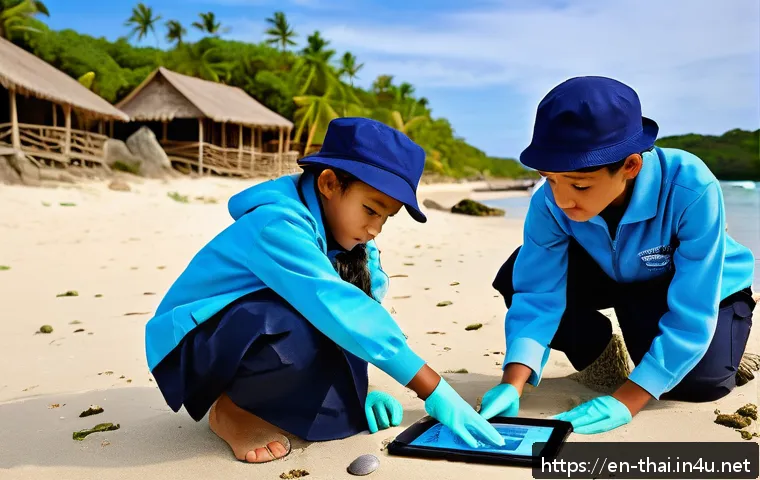
Researchers and conservationists have experimented with artificial reef structures and substrates that promote coral attachment and growth. These include eco-friendly materials shaped to mimic natural reef formations, providing shelter for fish and enhancing biodiversity.
The success of these substrates depends on local conditions such as water flow and sedimentation, which are carefully evaluated before deployment. I was intrigued by how these structures can also serve as educational tools, illustrating the blend of science and creativity in restoration efforts.
Community Participation in Reef Rehabilitation
Involving local communities in coral restoration has proven crucial for long-term success. Villagers often participate in coral planting days, monitoring reef health, and maintaining nursery sites.
This collective effort strengthens the connection between people and their marine environment, fostering stewardship and vigilance against threats like illegal fishing or pollution.
I witnessed a community event where families gathered to plant corals together—an inspiring scene of collaboration and hope that underscores the social dimension of marine conservation.
Marine Biodiversity Research and Species Protection
Tracking Endangered Marine Species
Thailand’s rich marine biodiversity includes numerous endangered species such as sea turtles, dugongs, and whale sharks. Scientific teams employ tagging, acoustic monitoring, and underwater surveys to track their movements and behaviors.
This data informs protection measures like seasonal fishing restrictions and safe migration corridors. Observing these efforts, I found the combination of high-tech tracking and grassroots awareness campaigns to be particularly effective in reducing human-wildlife conflicts and poaching.
Habitat Mapping and Ecosystem Assessments
Comprehensive habitat mapping provides the foundation for targeted conservation strategies. Advanced sonar and satellite imaging technologies allow researchers to create detailed maps of seagrass beds, mangroves, and coral reefs.
These maps help identify critical nursery grounds and biodiversity hotspots. Sharing this information with policymakers and communities ensures that development projects avoid sensitive areas.
From my experience attending workshops where these maps were presented, it was clear that visualizing the marine landscape boosts understanding and support for conservation initiatives.
Marine Species Recovery Programs
Specific recovery programs focus on breeding and rehabilitating threatened marine species. Sea turtle hatcheries, for instance, protect eggs from predators and human disturbance before releasing hatchlings into the wild.
Rehabilitation centers care for injured marine mammals and fish before returning them to their habitats. These programs often rely on volunteer involvement and public donations, creating a bridge between science and society.
I’ve volunteered at a turtle release event, and the emotional impact of seeing hatchlings swim away underscored the tangible results of dedicated conservation work.
| Conservation Initiative | Key Activities | Primary Beneficiaries | Impact Highlights |
|---|---|---|---|
| Community-Based MPAs | Local rule-setting, monitoring, reef restoration | Coastal villagers, coral reefs, fish stocks | Increased compliance, reef recovery within years |
| Drone and AI Monitoring | Aerial reef surveys, predictive data analysis | Marine scientists, conservation agencies | Faster detection of bleaching, illegal fishing |
| Sustainable Tourism Programs | Eco-certification, visitor education, quotas | Tourists, marine ecosystems, local economy | Reduced reef damage, improved tourist behavior |
| Coral Restoration Projects | Nurseries, artificial substrates, community planting | Degraded reefs, local communities | Accelerated reef growth, enhanced biodiversity |
| Species Protection Efforts | Tagging, habitat mapping, rehabilitation centers | Endangered marine species | Better protection, increased survival rates |
Policy Frameworks Supporting Conservation Success
Integrated Coastal Zone Management
Thailand’s government has embraced Integrated Coastal Zone Management (ICZM) to harmonize development and conservation. This approach coordinates policies across sectors such as fisheries, tourism, and urban planning to reduce conflicting activities that harm marine environments.
ICZM facilitates stakeholder collaboration, ensuring that economic growth does not come at the expense of ecological health. In practice, this means stricter pollution controls, habitat preservation mandates, and infrastructure planning that considers sea-level rise.
Witnessing multi-agency meetings, I noticed how this holistic strategy fosters shared responsibility and long-term vision.
Legislation Protecting Marine Habitats
Robust legal frameworks underpin many of Thailand’s conservation initiatives. Laws regulate fishing gear, designate protected areas, and penalize environmental crimes.
Enforcement has improved through increased patrols and community reporting systems, making violations less frequent. While challenges remain, especially in remote areas, the legal backing gives conservationists a crucial tool to advocate for marine protection.
The credibility and authority of such laws help attract international funding and partnerships, amplifying their impact.
International Cooperation and Funding
Thailand actively participates in regional and global marine conservation networks, benefiting from technical assistance and funding from organizations like UNEP and WWF.
These partnerships facilitate knowledge exchange, capacity building, and large-scale projects that individual countries might struggle to implement alone.
For instance, cross-border marine corridors and joint anti-poaching operations enhance ecosystem connectivity and enforcement. From conversations with conservation leaders, it’s clear that international cooperation has accelerated progress and brought innovative ideas to Thailand’s shores.
Conclusion
Thailand’s marine conservation efforts showcase the power of community involvement, innovative technology, and well-crafted policies working in harmony. The dedication of local stakeholders combined with cutting-edge tools creates a promising path toward healthier oceans. As tourism and development continue to grow, maintaining this balance will be essential for preserving marine biodiversity and supporting coastal livelihoods.
Useful Information
1. Community engagement is critical—local fishermen and villagers play a key role in protecting marine ecosystems through traditional knowledge and active participation.
2. Technological advances like drones and AI enhance monitoring efficiency, enabling quicker responses to environmental threats.
3. Sustainable tourism practices, including visitor quotas and eco-certifications, help minimize human impact while supporting local economies.
4. Coral restoration relies heavily on both scientific innovation and community involvement to rebuild damaged reefs effectively.
5. Strong legal frameworks and international collaboration provide essential support for long-term marine conservation success.
Key Takeaways
Effective marine conservation requires a multi-faceted approach that blends community stewardship, technology, sustainable tourism, and policy support. Empowering local communities ensures that conservation is rooted in cultural values and practical knowledge. Meanwhile, integrating modern tools and international partnerships amplifies impact and resource efficiency. Ultimately, striking a balance between ecological preservation and economic development is crucial for the resilience of coastal environments and the people who depend on them.
Frequently Asked Questions (FAQ) 📖
Q: uestions about Thailand’s Marine Conservation EffortsQ1: How are local communities involved in Thailand’s marine conservation projects?
A: Local communities play a vital role in Thailand’s marine conservation by actively participating in reef restoration, beach cleanups, and sustainable fishing practices.
Many initiatives empower fishermen and residents with education and resources, encouraging them to protect their natural environment while maintaining their livelihoods.
From firsthand experience, this grassroots involvement not only fosters a strong sense of stewardship but also ensures that conservation efforts are culturally relevant and effective in the long term.
Q: What scientific technologies are being used to monitor coral reefs in Thailand?
A: Thailand employs advanced tools like underwater drones, satellite imaging, and AI-powered data analysis to monitor reef health and marine biodiversity.
These technologies help scientists track coral bleaching, water quality, and species population changes in real time. Having observed such tech in action, I can say it significantly enhances early detection of environmental stressors, allowing for timely interventions that are crucial in preserving these delicate ecosystems.
Q: How does Thailand balance marine conservation with tourism?
A: Thailand’s approach combines strict regulations, eco-friendly tourism practices, and community engagement to ensure that tourism supports rather than harms marine ecosystems.
Initiatives like controlled diving zones, eco-certifications for tour operators, and visitor education programs help minimize environmental impact. From my visits to marine parks, it’s clear that this balance not only protects biodiversity but also enriches tourists’ experiences by promoting sustainable interaction with nature.