Traveling to Thailand is an exciting adventure, but like many popular tourist destinations, it comes with its share of scams that can catch even the savviest visitors off guard.
From tuk-tuk overcharging to fake gem sales, these common tricks often target unsuspecting travelers eager to explore. Understanding these schemes not only helps you avoid unnecessary loss but also ensures a smoother, more enjoyable trip.
Having witnessed some firsthand and heard stories from fellow travelers, I can say being informed is your best defense. Let’s dive into the most frequent scams in Thailand and how to steer clear of them—I’ll break it down clearly for you!
Unexpected Transport Charges: Navigating Local Ride Prices
Understanding the “Meter Off” Tactic
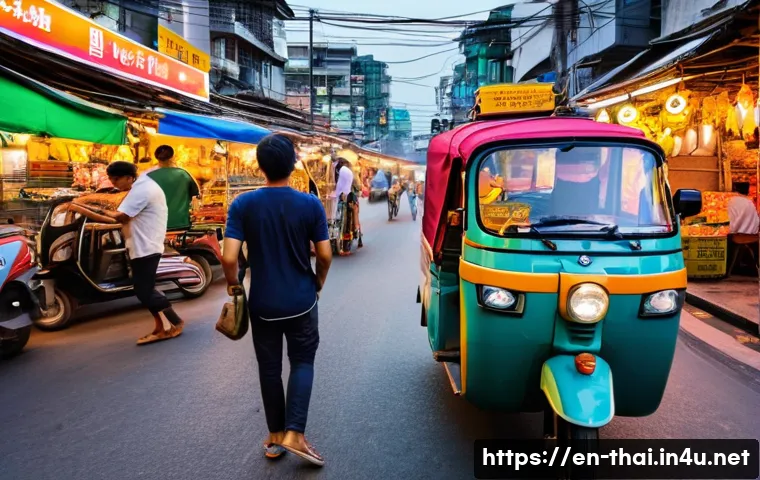
One of the most common headaches for travelers in Thailand is encountering drivers who claim the meter is broken or refuse to use it altogether. From tuk-tuks to taxis, this “meter off” tactic often results in paying multiple times the normal fare.
I remember getting into a tuk-tuk in Bangkok where the driver immediately said, “No meter, fixed price.” When I asked for a price, he quoted something outrageously high compared to what I later found out was the actual meter fare.
The key here is to always insist on the meter or negotiate a reasonable price beforehand. If the driver refuses, don’t hesitate to walk away; there are plenty of other options nearby.
Pre-Arranged Rides vs. Street Haggling
Booking rides through apps like Grab or Bolt offers transparency in pricing and helps avoid sudden fare hikes. However, hailing rides on the street can be a gamble.
Drivers might quote a fare based on your appearance or perceived foreigner status. It’s a good idea to compare app prices with street offers. I found that using apps consistently saved me from awkward price negotiations and ensured a safer, fairer ride.
Plus, you get a digital record of your trip, which adds peace of mind.
How to Spot and Avoid Overcharging Drivers
If you’re forced to negotiate, pay attention to common signs of overcharging. Drivers who avoid showing the meter, give vague answers, or rush you to decide are likely trying to upsell you.
Another trick is taking longer routes intentionally to increase the fare. Using Google Maps or a similar app to track your route can help you spot suspicious detours.
I always keep a map app open on my phone when riding unfamiliar routes; it’s saved me from overpaying more than once.
Spotting the Real from the Fake: Jewelry and Souvenir Shops
Unbelievable Deals That Sound Too Good to Be True
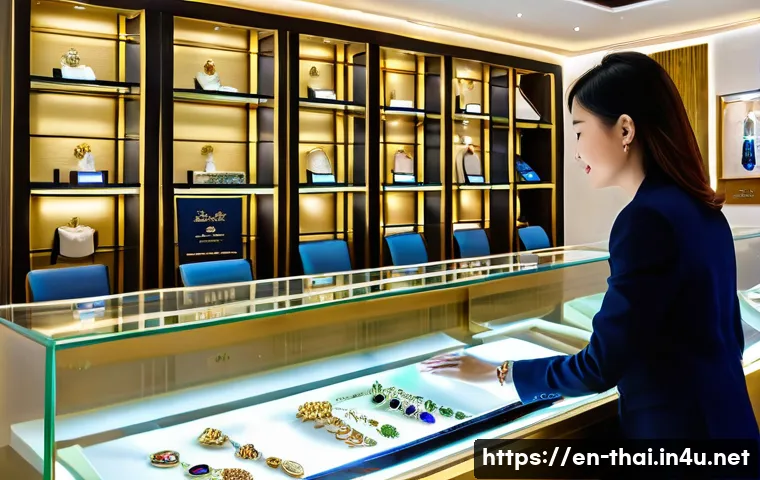
Thailand’s gem and jewelry shops often lure tourists with promises of “investment-quality” gems at bargain prices. I’ve heard countless stories from friends who fell into this trap, buying stones that later turned out to be worthless or fake.
The sales pitch usually involves a high-pressure salesperson urging you to buy now or miss out on an exclusive deal. It’s important to remember that genuine gems require certification and often come with a price tag reflecting their quality.
If a deal sounds too good to be true, it probably is.
Certified Shops vs. Street Vendors
Buying from certified stores with proper documentation is a safer bet, though prices will naturally be higher. Street vendors, on the other hand, often sell counterfeit or low-quality items.
When I visited Chiang Mai, I made a point to research reputable shops beforehand and avoid buying anything on impulse from roadside stalls. This saved me from regret and questionable souvenirs.
Always ask for certificates and receipts, and don’t be afraid to walk away if something feels off.
When to Say No: Recognizing Pressure Tactics
Pressure tactics include aggressive salespeople who refuse to take no for an answer or try to isolate you from your group. These situations can feel uncomfortable, but standing firm is key.
In one instance, I was cornered in a shop with a salesperson who kept insisting I buy a “limited edition” necklace. I politely declined several times and left, realizing the item was overpriced and probably fake.
Trust your instincts—if the situation feels pushy or rushed, it’s best to exit calmly.
Street Food and Drink: Avoiding Hidden Costs and Health Risks
Unexpected Charges on Your Bill
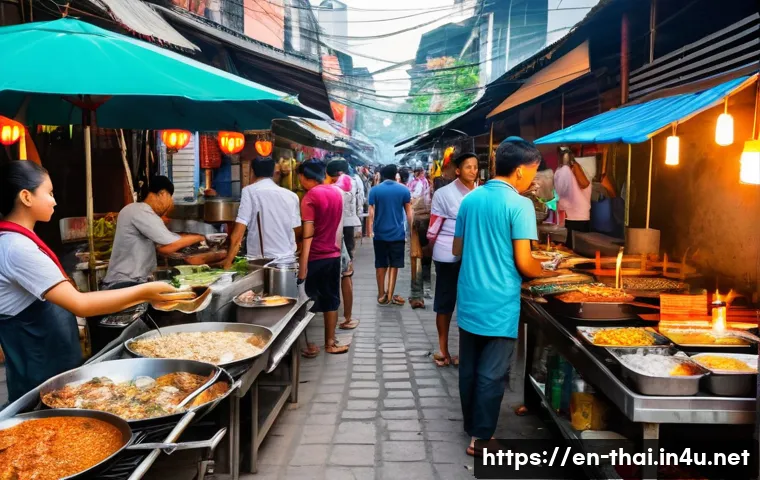
Street food is one of the best ways to experience Thai culture, but sometimes vendors add hidden costs like extra service charges or inflated prices for foreigners.
I once ordered a simple meal at a busy night market and was shocked when the bill was double what I expected. The vendor claimed the price included “special ingredients,” but I suspect it was just a tourist markup.
To avoid this, it helps to ask locals for recommendations and verify prices before ordering.
Staying Safe with Street Food Choices
Beyond pricing, hygiene can be a concern with some street vendors. I always look for stalls with a steady stream of local customers and where food is cooked fresh in front of me.
This usually indicates higher turnover and better food safety standards. Drinking bottled water and avoiding ice cubes from uncertain sources also helped me dodge stomach issues during my trips.
Being cautious doesn’t mean missing out—it just means making smarter choices.
How to Negotiate or Confirm Prices Before Ordering
Before ordering, it’s perfectly fine to ask how much a dish costs, especially if prices aren’t posted. Vendors are generally upfront if you approach politely.
Once I started doing this, I noticed fewer surprises at the checkout. If the price sounds too high, don’t hesitate to walk away and find another stall.
Thailand’s street food scene is vast and competitive, so you’ll easily find affordable and delicious options without stress.
Tourist Attractions: Avoiding Fake Guides and Unofficial Tours
Recognizing Licensed Guides and Tour Operators
Official guides in Thailand usually wear badges or have identification issued by local tourism authorities. Hiring a licensed guide not only guarantees a more informative experience but also reduces the risk of scams.
I once joined an unauthorized tour that promised a “secret temple” but ended up at a generic souvenir shop with heavy sales pressure. Since then, I always verify credentials online or through hotel concierge services before booking.
Beware of “Free” Tours That Lead to Shopping Stops
Some tours advertise as free or very cheap but include mandatory stops at shops where you’re pressured to buy souvenirs, textiles, or overpriced goods.
These tours often benefit the operators more than the tourists. I found myself in one of these tours in Phuket, where we spent more time shopping than sightseeing.
Being clear about the itinerary upfront and choosing reputable companies helped me avoid such traps on later trips.
How to Verify Tour Authenticity and Reviews
Checking online reviews on platforms like TripAdvisor or Google Maps can provide valuable insights into tour quality and legitimacy. I rely heavily on traveler feedback before making reservations.
Also, avoid accepting unsolicited offers from strangers near tourist spots; they’re often unlicensed operators. When in doubt, visiting official tourism offices or hotel desks is a safer way to find trustworthy tours.
Currency Exchange: Getting the Best Rates Safely
Spotting Legitimate Exchange Counters
Currency exchange booths at airports and popular tourist areas often charge poor rates or add hidden fees. When I first arrived in Thailand, I exchanged money at the airport and got a disappointing rate.
Later, I found that banks or authorized money changers in the city offered much better deals. Look for counters with clear rate displays and no extra commissions.
If the rate looks too good to be true, it might be a scam.
Using ATMs Wisely and Avoiding Skimming
ATMs are convenient but can carry risks like card skimming or extra withdrawal fees. I always use ATMs located inside banks or reputable shopping centers to reduce risk.
Also, check with your bank beforehand about international fees and notify them of your travel plans to avoid card blocks. Being vigilant at ATMs—covering your PIN and inspecting the machine—helped me stay safe.
How to Calculate and Compare Exchange Rates on the Spot
A quick way to check if you’re getting a fair exchange rate is to use a currency conversion app on your phone. I always do this before handing over cash.
For example, if the official rate is 1 USD = 33 THB, but the counter offers 1 USD = 30 THB, it’s better to look elsewhere. Keeping track of current exchange rates can save you a surprising amount of money during your trip.
Common Hotel and Accommodation Pitfalls
Hidden Fees and Unexpected Charges
Booking hotels in Thailand can sometimes come with surprise fees like extra charges for Wi-Fi, air conditioning, or late check-outs. On one trip, I was shocked to find a “resort fee” added to my bill that wasn’t mentioned during booking.
To avoid this, always read the fine print and confirm all fees before finalizing your reservation. Direct communication with the hotel can help clarify what’s included.
Fake Listings and Fraudulent Bookings
Fake hotel listings on popular booking sites or social media can trick travelers into paying for places that don’t exist or are vastly different from advertised.
I once nearly booked a beachfront bungalow that turned out to be a scam after checking reviews more carefully. Verifying listings through multiple sources and reading recent reviews helps identify legitimate accommodations.
Tips for Confirming Booking Details Before Arrival
A quick email or call to the hotel a few days before arrival can confirm your booking and any special requests. This simple step saved me from arriving at a fully booked place once, forcing me to scramble for alternatives.
Also, using reputable booking platforms with customer support provides extra protection if issues arise.
| Common Scam Type | Typical Tactics | How to Avoid |
|---|---|---|
| Transport Overcharging | Refusing meter, fixed high prices, long detours | Use ride apps, insist on meter, check route with maps |
| Fake Jewelry Sales | High-pressure sales, uncertified gems, roadside stalls | Buy from certified shops, ask for certificates, walk away if pressured |
| Street Food Markups | Hidden extra charges, inflated prices for foreigners | Ask prices upfront, follow locals’ recommendations, avoid suspicious vendors |
| Unlicensed Tours | “Free” tours with shopping stops, no credentials | Verify licenses, check reviews, book via official channels |
| Currency Exchange Scams | Poor rates, hidden fees, fake counters | Use authorized changers, check rates with apps, avoid airport counters |
| Fake Hotel Listings | Nonexistent or misrepresented properties | Verify with multiple sites, read recent reviews, confirm with hotel |
글을 마치며
Traveling offers incredible experiences, but being aware of common pitfalls like unexpected charges and scams makes your journey smoother and more enjoyable. By staying informed and prepared, you can confidently navigate local transport, shopping, food, and accommodations. Remember, a little vigilance and research go a long way in protecting your time, money, and peace of mind. Safe travels and happy exploring!
알아두면 쓸모 있는 정보
1. Always insist on using the meter for taxis and tuk-tuks or agree on a fair fixed price before starting your ride to avoid overcharging.
2. Use reputable ride-hailing apps when possible—they provide transparent pricing and safer travel options compared to street haggling.
3. When buying jewelry or souvenirs, only purchase from certified stores and always ask for proper documentation to avoid counterfeit goods.
4. Confirm prices upfront at street food stalls and look for busy vendors with local customers to ensure freshness and fair pricing.
5. Verify hotel bookings through multiple trusted platforms and contact the property directly before arrival to prevent scams and hidden fees.
중요 사항 정리
Travelers should stay vigilant against common scams by verifying credentials and prices before committing to services. Using technology like map apps and ride-hailing platforms helps monitor routes and fares, reducing the risk of overcharging. Always prioritize licensed vendors and official channels when booking tours, accommodations, or exchanging currency. Asking clear questions upfront and trusting your instincts are key to avoiding pressure tactics and unexpected costs. Being prepared and informed ensures a safe and enjoyable travel experience without unpleasant surprises.
Frequently Asked Questions (FAQ) 📖
Q: How can I avoid getting overcharged by tuk-tuk drivers in Thailand?
A: Tuk-tuk overcharging is one of the most common scams tourists face. To avoid this, always agree on a price before you hop in. If the driver refuses to negotiate or suggests a fixed high fare, don’t be afraid to walk away.
Using ride-hailing apps like Grab can also help you get fair prices and avoid haggling altogether. From my experience, setting clear expectations upfront saved me from paying double the normal fare, especially in busy tourist areas like Bangkok and Chiang Mai.
Q: Are the gem sales in Thailand genuine or just a scam?
A: Most gem shops targeting tourists sell overpriced or fake gems, often pressuring you into buying with promises of high resale value back home. I’ve seen friends fall for this, only to realize later their “investment” was worth far less.
The safest bet is to avoid these stores entirely unless you have expert knowledge or a trusted local guide. If you’re genuinely interested in gems, buy from reputable dealers with proper certification and receipts.
Q: What are some signs that I’m being scammed at tourist attractions or markets?
A: Common warning signs include vendors or guides who are overly pushy, prices that seem too good to be true, or being told a site is closed and redirected to a different, more expensive tour.
Once, I was told the Grand Palace was closed and was offered a pricey alternative tour, which turned out to be a scam when I checked official hours later.
Always verify opening times online, compare prices with multiple vendors, and trust your gut if something feels off. Staying calm and polite while firmly declining suspicious offers usually works best.