Getting around Thailand offers a unique blend of adventure and convenience, whether you’re navigating bustling Bangkok or exploring serene islands. From colorful tuk-tuks darting through city streets to efficient BTS Skytrains soaring above traffic jams, the transportation options are as diverse as the country itself.

For travelers seeking local flavor, hopping on a traditional long-tail boat or sharing a songthaew can turn a simple commute into a memorable experience.
Understanding these options not only helps you save time and money but also deepens your connection with Thailand’s vibrant culture. Ready to dive into the details?
Let’s explore the best ways to travel across this incredible country!
Mastering the Urban Jungle: Navigating Thailand’s Cities
Effortless Commutes on the Skytrain and Subway
When I first stepped onto Bangkok’s BTS Skytrain, I was instantly impressed by how sleek and efficient it was compared to the chaotic streets below. The trains zip through the city above traffic jams, making travel during rush hour a breeze.
The MRT subway complements this network perfectly, reaching areas the Skytrain doesn’t cover. Both systems are air-conditioned and have clear English signage, which makes them super traveler-friendly.
One tip I learned is to buy a Rabbit Card for seamless tap-and-go convenience—it saved me time and avoided the hassle of buying single tickets every trip.
Plus, the stations are surrounded by plenty of cafes and shops, perfect for a quick snack or coffee break between rides.
Embracing the Tuk-Tuk Experience with a Smile
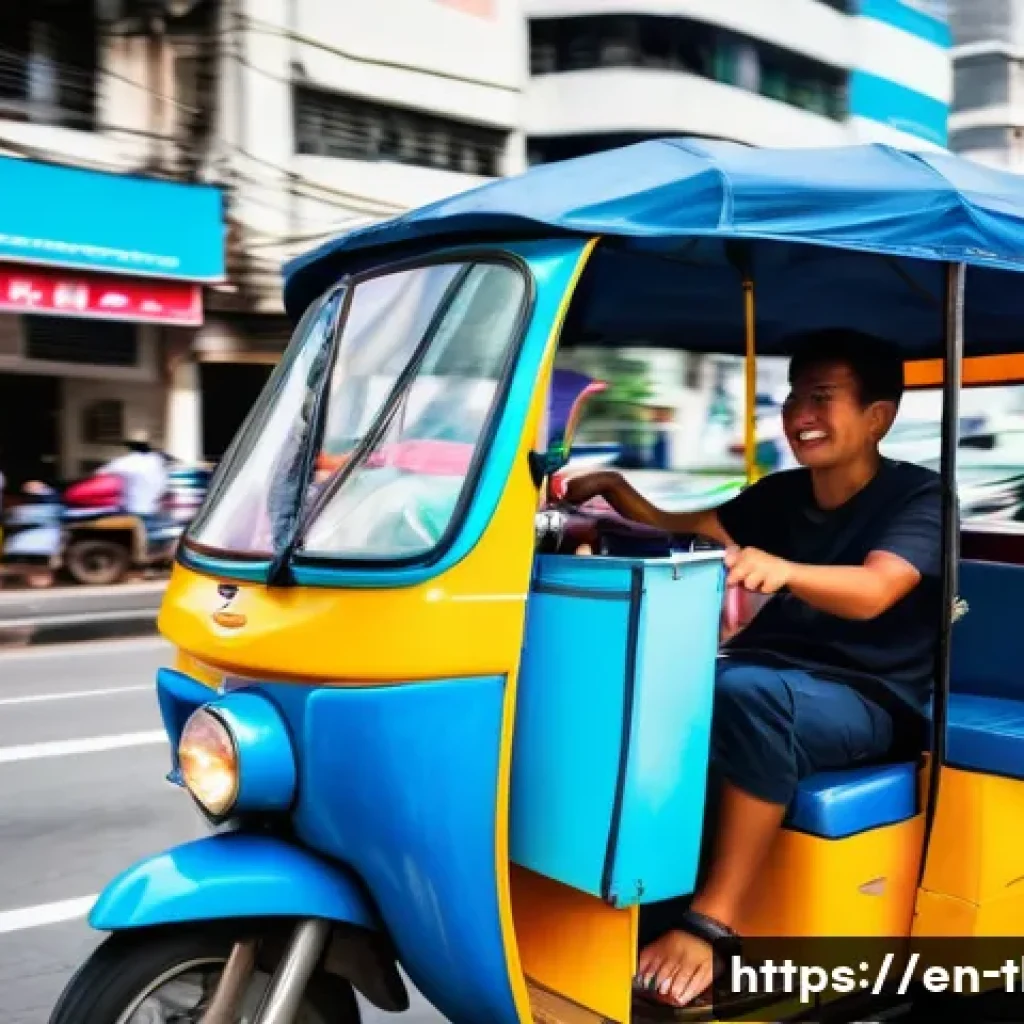
No trip to Thailand feels complete without hopping into a tuk-tuk. These three-wheeled motorized rickshaws are iconic and zipping around in one feels like you’re part of a lively local movie scene.
But here’s the catch: negotiating fares is an art form. I remember my first tuk-tuk ride where I paid way too much simply because I didn’t haggle. Now, I always have a rough idea of the price beforehand and try to bundle multiple stops to get a better deal.
Tuk-tuks are perfect for short distances or when you want to soak in the city’s vibrant energy, but they’re not the best choice when traffic snarls up.
Sharing Rides on Songthaews and Motorbike Taxis
For those craving an authentic local vibe, songthaews—converted pickup trucks with benches—offer an affordable way to get around towns like Chiang Mai or Pattaya.
They follow fixed routes but don’t have strict schedules, so be ready to wave one down and hop on. Motorbike taxis, on the other hand, are the ultimate solution for beating traffic jams quickly.
While it can feel a bit nerve-wracking at first, I found motorbike taxis invaluable for squeezing through narrow lanes and reaching destinations fast.
Just remember to wear a helmet and agree on the fare upfront to avoid surprises.
Island-Hopping Adventures: Water Transport in Thailand
Long-Tail Boats: More Than Just a Ride
Taking a long-tail boat is like stepping into a floating piece of Thai culture. These wooden boats with their distinctive long propeller shafts glide through canals and coastal waters, offering a scenic and peaceful way to travel.
I once took a long-tail boat from Krabi to a nearby island, and the ride was unforgettable—the gentle breeze, the sound of water lapping, and the stunning limestone cliffs passing by.
They’re ideal for short trips and exploring hidden beaches unreachable by car. Just be prepared for a bit of splashing and always keep your belongings secure.
Speedboats and Ferries: Getting There Faster
If you’re pressed for time, speedboats and ferries are your best bet for island hopping. Ferries usually run on fixed schedules and are more budget-friendly, while speedboats charge more but get you there faster and with fewer passengers.
I’ve taken both, and while ferries offer a relaxed vibe with plenty of seating, speedboats deliver adrenaline-pumping rides that cut through waves in a flash.
Booking tickets in advance during high season is smart to avoid last-minute hassles.
Local Water Taxis and River Ferries
In cities like Bangkok and Ayutthaya, river ferries and water taxis are a surprisingly convenient way to dodge traffic and see the city from a different perspective.
I enjoyed using the Chao Phraya River Express to zip between temples and markets—it was affordable, fast, and felt like a mini sightseeing tour. Water taxis can be a bit less predictable, but the experience is worth the small gamble.
Just check the routes and operating hours ahead of time.
Road Trips and Beyond: Exploring Thailand by Land
Renting Scooters and Cars: Freedom on Your Terms
For travelers eager to explore at their own pace, renting a scooter or car is a game changer. I rented a scooter on Koh Samui and loved the freedom to stop wherever I wanted—beaches, roadside fruit stands, or small temples.
However, it’s important to note that Thai traffic rules can be quite different, and safety gear is a must. For those less confident on two wheels, renting a car is a safer bet, especially for longer trips inland.
Just be sure to have an International Driving Permit and familiarize yourself with local driving customs.
Long-Distance Buses: Budget-Friendly and Comfortable Options
Thailand’s intercity buses vary from basic non-air-conditioned models to VIP coaches with reclining seats and onboard toilets. I took a night bus from Chiang Mai to Bangkok that was surprisingly comfortable, allowing me to save on accommodation and maximize daytime exploring.
Booking through reputable companies or online platforms ensures a smooth ride. Plus, buses often stop at rest areas with decent food options, which is a nice bonus on longer journeys.
Train Journeys: Scenic Routes and Authentic Encounters
For a more leisurely and authentic travel experience, Thailand’s trains are unbeatable. The routes pass through picturesque countryside and small towns, offering a glimpse of everyday life.
On one trip from Bangkok to Hua Hin, I shared snacks with locals and marveled at the changing landscapes outside my window. Sleeper trains are especially popular for overnight travel, combining comfort with adventure.
While trains can be slower than buses or planes, the experience is rich and rewarding.
Comparing Travel Options: Choosing What Fits Your Trip
| Transportation Mode | Cost Range (USD) | Speed | Comfort Level | Best For |
|---|---|---|---|---|
| BTS Skytrain / MRT | 1–3 per ride | Fast (above traffic) | High (air-conditioned) | City commuting |
| Tuk-Tuk | 1–5 per ride (negotiable) | Moderate | Low to Moderate | Short city trips, local vibe |
| Long-Tail Boat | 5–15 per trip | Slow to Moderate | Moderate | Island hopping, canal tours |
| Speedboat / Ferry | 10–30 per trip | Fast | Moderate to High | Island hopping, fast transfers |
| Scooter Rental | 7–15 per day | Variable | Variable | Exploring islands and small towns |
| Long-Distance Bus | 10–30 per trip | Moderate | Low to High (VIP buses) | Intercity travel |
| Train | 5–25 per trip | Slow to Moderate | Moderate | Scenic travel, overnight trips |
Local Etiquette and Safety Tips for Travelers
Respectful Behavior When Using Public Transport
Traveling around Thailand isn’t just about getting from point A to B; it’s also about respecting local customs. For instance, it’s considered polite to greet drivers and vendors with a smile and a “wai” (a slight bow with hands pressed together).
I’ve noticed that being patient and courteous often results in friendlier rides and sometimes even discounted fares. Avoid loud conversations or phone calls on public transport to maintain a peaceful environment, as locals appreciate quiet and respectful behavior.
Staying Safe on the Road and Water
Safety is a major consideration, especially when renting scooters or taking watercraft. I always double-check that helmets are available and worn, even if locals don’t always do so.
When using boats, life jackets should never be optional. Also, watch out for uneven roads and unpredictable traffic patterns, especially in rural areas.
Trust your instincts—if a ride feels unsafe or the driver seems reckless, it’s better to find an alternative.
Planning Ahead to Avoid Common Pitfalls
One mistake I made early on was underestimating travel times due to traffic or unpredictable schedules. It helps to leave extra time when catching flights or tours.
Also, always have some cash handy since many smaller transport options don’t accept cards. Booking popular routes or rides in advance during high season can save a lot of stress.
Lastly, downloading local transport apps or having offline maps can be a lifesaver when navigating unfamiliar cities.
Budgeting Your Travel: How to Get the Best Value
Smart Ticketing and Passes
Investing in travel cards like the Rabbit Card for Bangkok’s BTS or multi-trip ferry passes can shave off both time and money. I personally found that pre-loading these cards was a huge convenience, especially during busy days packed with sightseeing.
Some cities also offer day passes for unlimited travel, which is perfect if you’re planning multiple stops. Always check for student or senior discounts if applicable.
Negotiating and Booking Tips
Haggling is part of the fun when it comes to tuk-tuks and motorbike taxis, but it’s important to stay friendly and reasonable. Start by offering about 70% of the initial price and meet somewhere in the middle.
For longer trips or private hires, using trusted booking platforms or hotel recommendations can prevent scams. I’ve learned that sometimes paying a little extra for reliability is worth the peace of mind.
Balancing Comfort and Cost
Thailand offers a spectrum of transport options from budget to luxury. While buses and ferries are wallet-friendly, splurging occasionally on a VIP bus or a private taxi can recharge your energy and enhance your experience.
I usually mix and match depending on the day’s itinerary and how tired I am. Remember, a comfortable journey often means more energy to enjoy your destination.
Hidden Gems: Unconventional Ways to Explore Thailand
Bicycle Rentals for Off-the-Beaten-Path Adventures
If you want to slow down and really absorb the scenery, renting a bicycle is a wonderful choice. Towns like Chiang Mai and Pai have dedicated bike lanes and quiet roads perfect for cycling.
I loved pedaling through lush countryside and stopping at small villages where tourist buses don’t reach. It’s eco-friendly, healthy, and offers a unique perspective on daily life.
Walking Tours: Discovering Neighborhoods on Foot
Sometimes the best way to travel is simply by walking. Many cities have well-marked walking trails or guided tours that reveal hidden temples, street art, and local markets.
I often found that wandering around without a strict schedule led to spontaneous discoveries—like stumbling upon a tiny street food stall serving the best mango sticky rice I’d had all trip.
Comfortable shoes and a curious mindset are all you need.
Using Ride-Hailing Apps Like a Pro
Apps like Grab have transformed transportation in Thailand’s urban areas. I rely on them for convenience, especially late at night or when I’m unfamiliar with the area.
The app provides upfront pricing and driver ratings, which adds a layer of security. One tip is to check if your pickup spot is easily accessible to avoid confusion.
Combining ride-hailing with public transport can optimize your route and budget.
Seasonal Travel Considerations Affecting Transport
Monsoon Impact on Water and Road Travel
Thailand’s rainy season can significantly affect transport reliability. I’ve experienced sudden floods that delayed buses and made boat rides choppier than usual.
Planning travel during the dry season (November to early April) generally ensures smoother journeys, but if you’re visiting in the wet months, it’s wise to keep flexible plans and check weather updates regularly.
Peak Tourist Seasons and Crowding
During holidays and festivals, transport hubs get crowded. I once got stuck in a massive queue for a ferry during Songkran, Thailand’s water festival, so booking ahead is crucial.
Trains and buses fill up quickly, and tuk-tuk drivers might hike prices. Early morning or late evening travel can sometimes help avoid the worst crowds.
Adjusting Travel Times for Heat and Humidity
Thailand’s tropical climate means midday heat can be intense. I usually schedule longer journeys early in the morning or late afternoon to avoid discomfort.
This also helps with traffic, as rush hours tend to be more manageable outside the midday peak. Staying hydrated and dressing in light, breathable clothes makes a big difference when hopping between transport modes.
Technology and Tools to Enhance Your Travel Experience
Must-Have Apps for Navigation and Booking
From my experience, having apps like Google Maps, Grab, and local transit apps downloaded before arrival saves countless headaches. Google Maps often shows public transport routes and estimated times, while Grab handles taxis and food delivery.
Some cities also have their own transport apps that provide real-time schedules and alerts. Using offline maps can be a lifesaver in areas with spotty internet.
Using Digital Payment Methods
Contactless payments via credit cards or mobile wallets like TrueMoney are becoming more widely accepted, especially in urban transport hubs. I found this super convenient for topping up transit cards or paying for taxis without fumbling for cash.
Still, carrying some Thai baht in coins and small bills is essential for smaller vendors or rural areas where digital payments aren’t an option.
Staying Connected for Real-Time Updates
Reliable internet access is crucial for accessing schedules, booking rides, or translating signs. I bought a local SIM card with generous data, which kept me connected throughout my trip.
Many transport hubs also offer free Wi-Fi, but I wouldn’t rely solely on it. Being online lets you adapt your plans on the fly, check for delays, and even find last-minute deals.
Insider Hacks for Stress-Free Travel in Thailand
Timing Your Commute to Avoid the Crowds
I learned that traveling outside peak hours—early mornings or late evenings—dramatically reduces stress. Bangkok’s infamous traffic jams can turn a short ride into an hour-long ordeal during rush hour.
Planning excursions with this in mind means more time enjoying sights instead of stuck on the road. Early starts also let you catch cooler temperatures.
Carrying Essentials for Unpredictable Journeys
Thailand’s climate and transport quirks mean you should always have a few essentials on hand: a reusable water bottle, wet wipes, sunscreen, and a power bank for your phone.
I once got caught in an unexpected rain shower while waiting for a bus, and having a lightweight rain poncho saved me from a soaking. Small preparations can turn travel hiccups into minor inconveniences.
Building Rapport with Drivers and Locals
One of the most rewarding parts of using local transport is the human connection. Taking a moment to greet your driver or chat about your destination often leads to insider tips or friendly gestures, like helping with luggage or recommending hidden gems.
I found that a genuine smile and basic Thai phrases go a long way in building goodwill and making journeys more enjoyable.
글을 마치며
Exploring Thailand’s diverse transportation options opens up a world of unforgettable experiences, blending convenience with local charm. Whether you’re gliding through Bangkok’s skytrains or cruising on a long-tail boat, each mode offers a unique glimpse into the country’s vibrant culture. Planning ahead and embracing the local way of travel enriches your journey and helps you connect with the heart of Thailand. With the right tips and mindset, navigating the urban jungle and beyond becomes an adventure in itself.
알아두면 쓸모 있는 정보
1. Always carry small amounts of cash since many local transport options don’t accept cards or digital payments.
2. Download essential apps like Grab and Google Maps before your trip for smoother navigation and ride booking.
3. Wearing a helmet on scooters and life jackets on boats is crucial for safety, regardless of local habits.
4. Traveling early in the morning or late at night can help you avoid heavy traffic and crowded transport.
5. Learning basic Thai greetings and polite gestures can improve your interactions with drivers and locals.
핵심 포인트 정리
Choosing the right transport in Thailand depends on your itinerary, budget, and comfort preferences. Efficient urban options like the BTS and MRT are ideal for city commuting, while tuk-tuks and motorbike taxis offer local flavor for short trips. For island adventures, long-tail boats and ferries provide scenic routes, but always prioritize safety gear. Renting scooters or cars grants freedom for deeper exploration, but be mindful of local traffic rules. Advance planning, respectful behavior, and flexible scheduling are key to a smooth and enjoyable travel experience across Thailand’s diverse landscapes.
Frequently Asked Questions (FAQ) 📖
Q: What is the easiest way to get around Bangkok for a first-time visitor?
A: For first-time visitors, the BTS Skytrain is by far the easiest and most efficient way to navigate Bangkok. It’s clean, air-conditioned, and avoids the notorious traffic jams below.
I’ve personally found it to be a lifesaver during rush hours, plus it connects you to popular areas like Siam, Chatuchak, and Silom. Pair it with some short tuk-tuk or taxi rides for spots the Skytrain doesn’t reach, and you’re all set for stress-free travel.
Q: Are tuk-tuks a safe and affordable option for getting around in Thailand?
A: Tuk-tuks are definitely part of the authentic Thai experience and can be a fun way to zip through city streets, especially in places like Bangkok and Chiang Mai.
However, fares aren’t always fixed, so it’s important to agree on a price before hopping in to avoid surprises. While safe for short rides, tuk-tuks don’t have seat belts, so they’re best for quick trips rather than long distances.
If you want to save money and enjoy the local vibe, just keep your wits about you and negotiate fares upfront.
Q: How can I experience local culture while traveling between islands or rural areas?
A: To truly soak up local culture, I recommend taking a traditional long-tail boat or hopping on a shared songthaew (a converted pickup truck) when traveling outside the main cities.
Long-tail boats offer stunning views and a unique connection to Thailand’s waterways, while songthaews let you mingle with locals and see everyday life up close.
Both options might be less comfortable than private taxis, but they’re affordable, immersive, and often lead to unexpected adventures that you won’t find in guidebooks.