Exploring traditional Thai teas opens a window into a rich cultural heritage filled with unique flavors and wellness benefits. These herbal brews have been cherished for centuries, not just for their refreshing taste but also for their natural healing properties.
From soothing digestive issues to boosting immunity, Thai teas offer a holistic approach to health that resonates even in today’s wellness trends. Whether you’re a tea enthusiast or someone seeking natural remedies, understanding these teas can add a new dimension to your daily routine.
Let’s dive deeper and uncover the secrets behind these enchanting brews!
Discovering the Aromatic World of Thai Herbal Teas
The Role of Local Ingredients in Crafting Unique Flavors
Thai herbal teas stand out primarily because of their rich local ingredients that have been nurtured by the tropical climate. Herbs like lemongrass, pandan leaves, and butterfly pea flower bring more than just flavor—they carry the essence of Thailand’s natural landscape.
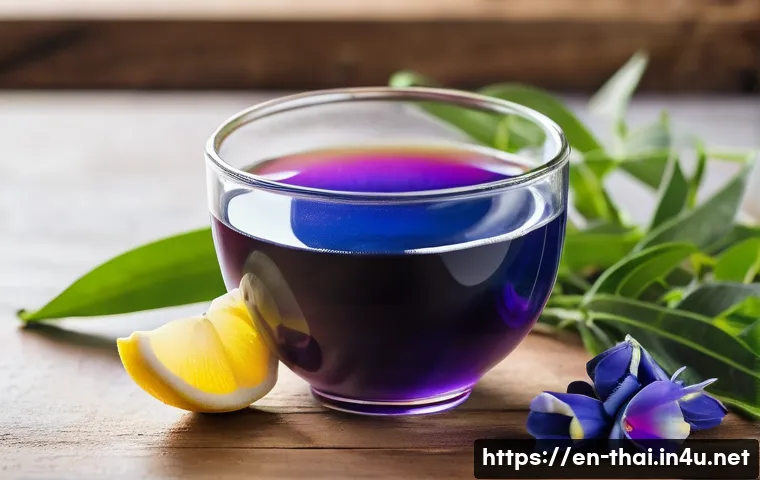
When I first tried butterfly pea tea, I was amazed by its vibrant blue hue that changes color with a squeeze of lemon, making it a sensory experience beyond taste.
These ingredients are carefully selected not just for their aromatic qualities but also for their deep-rooted cultural significance, often used in traditional ceremonies and healing practices.
How Traditional Brewing Methods Enhance the Experience
Unlike many modern teas brewed in a hurry, Thai herbal teas often involve slow simmering or steeping techniques that allow the herbs to release their full spectrum of flavors and nutrients.
I remember sitting in a quaint Chiang Mai teahouse where the owner meticulously prepared a cup of cha-yen (Thai iced tea) by blending black tea with spices and condensed milk, emphasizing patience in the brewing process.
This slow infusion not only intensifies the taste but also ensures that the wellness properties of the herbs are fully extracted, creating a deeply satisfying cup.
The Sensory Journey: Taste, Aroma, and Visual Appeal
Drinking Thai herbal tea is a multisensory journey. The first sip is often a balance of sweet, tangy, and earthy notes, sometimes with a hint of spice or floral undertones.
For example, roselle tea offers a tartness that is refreshing on a hot day, while ginger tea warms you from the inside out during cooler evenings. The aroma of these teas can evoke memories or moods—lemongrass’s citrusy scent uplifts the spirit, while pandan leaves impart a sweet, almost vanilla-like fragrance.
Visual presentation is also key; many teas are served with colorful garnishes or ice, turning each cup into a feast for the eyes.
Unpacking the Health Benefits Rooted in Tradition
Digestive Health and Detoxification
One of the reasons Thai herbal teas have been treasured for centuries is their ability to aid digestion. Ingredients like ginger and turmeric are well-known natural remedies that help soothe stomach discomfort and reduce inflammation.
From my own experience, sipping a warm cup of ginger-infused tea after a heavy meal has consistently helped ease bloating and promote better digestion.
Additionally, herbs like roselle act as gentle detoxifiers, helping the body eliminate toxins while providing antioxidants that support overall health.
Boosting Immunity with Natural Ingredients
In today’s wellness-driven world, boosting immunity is a top priority, and Thai teas have been doing this quietly for generations. Herbs such as holy basil (Tulsi) and butterfly pea flower contain compounds that support immune function and fight oxidative stress.
During a recent cold season, I turned to a blend of holy basil and lemongrass tea, which not only tasted comforting but seemed to reduce the duration of my symptoms.
These teas offer a natural, holistic approach to maintaining health, making them an ideal daily ritual.
Calming the Mind and Supporting Relaxation
Stress relief is another benefit often associated with traditional Thai teas. Chamomile and pandan teas are renowned for their calming effects, helping to ease anxiety and improve sleep quality.
I personally found that drinking pandan tea in the evening became a soothing ritual that helped me unwind after a hectic day. The subtle sweet aroma paired with the gentle warmth creates a sense of peace, demonstrating how these teas engage both mind and body in relaxation.
How Cultural Practices Shape Tea Consumption in Thailand
Tea as a Social and Spiritual Connector
In Thailand, tea drinking isn’t just about quenching thirst; it’s an essential part of social gatherings and spiritual practices. Sharing a pot of herbal tea symbolizes hospitality and respect.
During temple festivals or family reunions, tea serves as a bridge connecting generations and reinforcing community bonds. I recall attending a local festival where elders brewed herbal concoctions to offer blessings and share stories, highlighting the tea’s role beyond mere refreshment.
Seasonal Variations in Tea Preferences
The choice of tea in Thailand often reflects the season. During the hot, humid months, iced herbal teas like cha-yen or roselle are popular for their cooling effects, while in the cooler northern regions, warm ginger or turmeric teas are favored for their comforting warmth.
This seasonal adaptability fascinated me; it’s a clever way to balance the body’s needs with nature’s rhythms, a practice that modern wellness trends are now rediscovering.
Traditional Tea Markets and Local Artisans
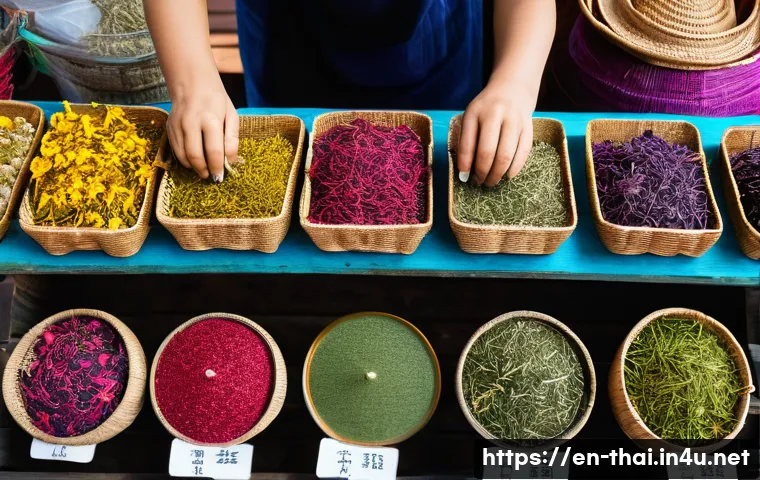
Exploring local markets in Thailand reveals a treasure trove of handmade tea blends crafted by artisans who preserve centuries-old recipes. These markets are vibrant hubs where you can find rare herbs and unique tea blends not available in commercial stores.
On a trip to Chiang Rai, I met a vendor who combined butterfly pea with lemongrass and dried rose petals, creating a tea that was not only delicious but also deeply rooted in regional heritage.
Supporting these artisans helps keep the tradition alive and offers an authentic tea experience.
Modern Adaptations and Global Influence of Thai Teas
Innovations in Presentation and Flavors
While traditional recipes remain beloved, there’s a growing trend of innovative twists on classic Thai teas. Cafes around the world now serve Thai tea lattes, bubble teas with herbal bases, and even tea-infused desserts.
I recently tried a Thai tea-flavored cheesecake that perfectly captured the creamy, spiced profile of cha-yen, blending tradition with modern culinary creativity.
These adaptations are helping Thai teas gain international recognition while appealing to younger generations.
The Rise of Wellness Cafes Featuring Thai Herbal Teas
Wellness cafes focusing on natural, functional beverages have embraced Thai herbal teas for their health benefits. These venues often highlight the antioxidant properties and adaptogenic qualities of herbs like turmeric and holy basil.
I visited a wellness cafe in Los Angeles that specialized in Thai herbal infusions, and the knowledgeable staff shared how these teas support everything from energy balance to stress reduction, making them a perfect fit for health-conscious consumers.
Export and Availability Outside Thailand
Thanks to the global wellness movement, Thai teas are increasingly accessible internationally through specialty stores and online marketplaces. However, the quality and authenticity can vary widely.
From my own research and tasting, I found that teas sourced directly from Thailand or produced by reputable local brands tend to offer the best flavor and health benefits.
For those keen on exploring these teas at home, investing in authentic products is key to experiencing their full potential.
Practical Tips for Incorporating Thai Teas into Your Routine
Choosing the Right Tea for Your Needs
With so many options available, it helps to match your tea choice to your personal health goals or taste preferences. For example, if you’re looking to relax, pandan or chamomile teas are excellent choices, while ginger or turmeric teas are better for digestive support.
When I started paying attention to these distinctions, my tea-drinking became more intentional and rewarding, aligning with both flavor enjoyment and wellness benefits.
Simple Brewing Techniques for Maximum Flavor
Achieving the perfect cup at home doesn’t have to be complicated. Generally, simmering herbs for 5–10 minutes extracts the best flavors and nutrients, though some delicate flowers like butterfly pea require shorter steeping to avoid bitterness.
Adding natural sweeteners like honey or coconut sugar can enhance taste without overwhelming the tea’s natural profile. I often experiment with cold brewing butterfly pea tea overnight, which yields a smooth, vibrant brew perfect for summer days.
Combining Thai Teas with Food Pairings
Pairing these teas with complementary foods can elevate the entire experience. The tartness of roselle tea, for example, pairs beautifully with spicy Thai dishes, balancing heat and acidity.
Meanwhile, the creamy richness of cha-yen works well alongside sweet desserts or light snacks. From personal experience, matching tea flavors with meals not only enhances taste but also deepens appreciation for Thai culinary culture.
Comparison of Popular Thai Herbal Teas and Their Benefits
| Tea Name | Main Ingredients | Flavor Profile | Health Benefits | Typical Serving Style |
|---|---|---|---|---|
| Butterfly Pea Tea | Butterfly pea flower | Earthy, mild floral | Antioxidant-rich, improves skin health, mood enhancer | Hot or iced, often with lemon to change color |
| Roselle Tea | Roselle calyces | Tart, cranberry-like | Detoxifying, supports digestion, rich in vitamin C | Cold or hot, sometimes sweetened |
| Cha Yen (Thai Iced Tea) | Black tea, star anise, tamarind, condensed milk | Sweet, creamy, spiced | Energy boosting, comforting | Served iced with milk |
| Ginger Tea | Fresh ginger root | Spicy, warming | Anti-inflammatory, aids digestion, relieves nausea | Hot, sometimes with honey or lemon |
| Pandan Tea | Pandan leaves | Sweet, vanilla-like aroma | Calming, supports relaxation and sleep | Hot or cold |
Closing Thoughts
Exploring Thai herbal teas opens a gateway to a world where flavor, tradition, and wellness beautifully intertwine. Each cup tells a story of nature’s bounty and cultural heritage, inviting you to savor more than just a beverage. Whether you seek relaxation, health benefits, or a sensory adventure, these teas offer something truly special. Incorporating them into your routine can be both delightful and nourishing.
Useful Information to Keep in Mind
1. Selecting the right Thai herbal tea depends on your personal health goals—choose calming blends like pandan for relaxation or spicy ginger for digestion.
2. Proper brewing, such as slow simmering, enhances the flavors and maximizes the nutritional benefits of these teas.
3. Pairing teas with complementary foods can elevate your tasting experience, balancing flavors and enriching meals.
4. Authenticity matters: sourcing teas directly from reputable producers ensures quality and preserves traditional benefits.
5. Seasonal tea choices align with natural body needs—cooling iced teas for warm weather and warming infusions for cooler climates.
Key Takeaways
Thai herbal teas are more than flavorful drinks—they are a holistic experience rooted in centuries of tradition and natural wisdom. Their unique ingredients and brewing methods not only create distinct tastes but also deliver notable health benefits, from digestion support to immune boosting. Embracing these teas can deepen your connection to wellness while offering a rich cultural journey. Remember to choose authentic products and enjoy them mindfully to fully appreciate their qualities.
Frequently Asked Questions (FAQ) 📖
Q: What are some popular traditional Thai teas and their unique health benefits?
A: Traditional Thai teas include varieties like Bai Cha (herbal leaf teas), Roselle tea, and Chrysanthemum tea. Roselle tea, with its tangy cranberry-like flavor, is well-known for its antioxidant properties and ability to support heart health.
Chrysanthemum tea is often enjoyed for its cooling effects and is believed to help reduce inflammation and soothe headaches. Personally, I found that sipping these teas after meals aids digestion and gives a gentle energy boost without caffeine jitters.
Q: How can I incorporate traditional Thai teas into my daily wellness routine?
A: Integrating Thai herbal teas into your day is surprisingly easy and rewarding. You might start your morning with a refreshing cup of lemongrass tea to invigorate your senses, switch to roselle tea in the afternoon for a natural antioxidant lift, and end your day with chrysanthemum tea to unwind.
When I first tried this, I noticed not only an improvement in my digestion but also a calming effect before bedtime. Brewing these teas fresh or using quality loose leaves can maximize their benefits and flavor.
Q: Are there any precautions or side effects to be aware of when drinking traditional Thai herbal teas?
A: While traditional Thai teas are generally safe and gentle, it’s important to be mindful if you have allergies or are pregnant. For example, some herbs may interact with medications or cause mild allergic reactions in sensitive individuals.
I once experienced slight stomach discomfort after drinking an unfamiliar herbal blend, so starting with small amounts and observing how your body responds is wise.
Also, consulting a healthcare provider when in doubt ensures you enjoy these teas safely.