Navigating healthcare options abroad can be overwhelming, especially when it comes to understanding local insurance systems. Thailand’s health insurance framework offers a unique blend of public and private coverage designed to cater to residents and expats alike.
With rising healthcare demands and evolving policies, it’s essential to stay informed about how these plans work and what benefits they provide. Whether you’re planning a long-term stay or just curious about Southeast Asia’s healthcare landscape, knowing the ins and outs of Thailand’s insurance system is invaluable.
Let’s dive deeper to uncover what makes this system stand out and how it might fit your needs. We’ll explore all the details clearly and thoroughly ahead!
Understanding the Basics of Healthcare Coverage in Thailand
Public Healthcare Schemes for Residents
Thailand’s public healthcare system is quite comprehensive, especially for Thai nationals and legal residents. The most common scheme is the Universal Coverage Scheme (UCS), which aims to provide affordable healthcare access to everyone.
What’s interesting is that this system covers a wide range of medical services, from basic check-ups to more advanced treatments, often with minimal out-of-pocket expenses.
Many expats with permanent residency or long-term visas also find ways to benefit from these public plans, although eligibility can vary. It’s worth noting that while the UCS offers excellent coverage, it’s generally focused on care provided in government hospitals, which might mean longer waiting times and limited choices in specialists.
Private Health Insurance Options and Their Appeal
Private health insurance in Thailand is a popular choice among expats and those seeking more flexibility and faster access to medical services. These plans often come with higher premiums but offer significant perks such as private hospital rooms, choice of doctors, and coverage for a broader range of treatments, including elective procedures.
From my experience chatting with expats living in Bangkok and Chiang Mai, many prefer private insurance to avoid the bureaucratic delays sometimes encountered in public hospitals.
Private insurance policies can also include dental and vision care, something usually not covered under public plans. The key here is to carefully compare plans based on your health needs and budget, as benefits and costs can vary widely.
How Eligibility and Enrollment Work
Understanding who qualifies for which type of insurance can be tricky. For Thai citizens, enrollment in public schemes is automatic in most cases, but expats need to navigate visa requirements, residency permits, and sometimes employer-sponsored plans.
Many employers in Thailand offer private health insurance as part of their benefits package, which simplifies access for foreign workers. For those self-employed or retirees, purchasing individual private insurance is often necessary.
The enrollment process for private insurance usually involves medical underwriting, meaning insurers assess your health history before approving coverage, which can impact premiums or exclusions.
It’s always a good idea to start this process well in advance of any planned medical needs.
Key Features and Benefits of Various Plans
Coverage Scope and Limitations
One of the standout aspects of Thailand’s health insurance landscape is the diversity in coverage options. Public plans focus heavily on essential healthcare needs, including emergency care, maternity, and chronic disease management.
However, they typically exclude high-cost treatments like cosmetic surgery or advanced cancer therapies. Private insurance fills this gap by offering more comprehensive packages, often including outpatient services, specialist consultations, and international medical evacuation.
I’ve noticed that expats who travel frequently or have pre-existing conditions tend to lean towards private plans because of these extended benefits. However, it’s crucial to read the fine print, as some policies have caps on annual benefits or exclude certain conditions altogether.
Cost Considerations and Premium Structures
Cost is a huge factor when choosing health insurance in Thailand. Public insurance is heavily subsidized by the government, making it extremely affordable or even free for eligible individuals.
Private insurance premiums, on the other hand, vary depending on age, health status, coverage limits, and hospital networks. For example, a young expat in good health might pay a few hundred dollars a year for a basic private plan, while older individuals or those with pre-existing conditions could see premiums rise significantly.
What I’ve learned is that balancing the cost against the level of coverage and convenience you need is vital. Sometimes paying a bit more upfront saves you from hefty medical bills later on.
Common Exclusions and Waiting Periods
Both public and private health plans in Thailand usually have exclusions and waiting periods that can catch newcomers off guard. Public insurance often excludes certain elective procedures and treatments considered non-essential.
Private insurers typically impose waiting periods for coverage of pre-existing conditions, maternity care, or high-risk treatments, sometimes lasting several months.
In my conversations with expats, this is often a surprise, especially for those who expect immediate coverage from day one. It’s important to clarify these details before purchasing a plan to avoid unexpected out-of-pocket expenses and ensure you have coverage when you need it most.
Comparing Healthcare Providers and Facilities
Government vs. Private Hospitals: What to Expect
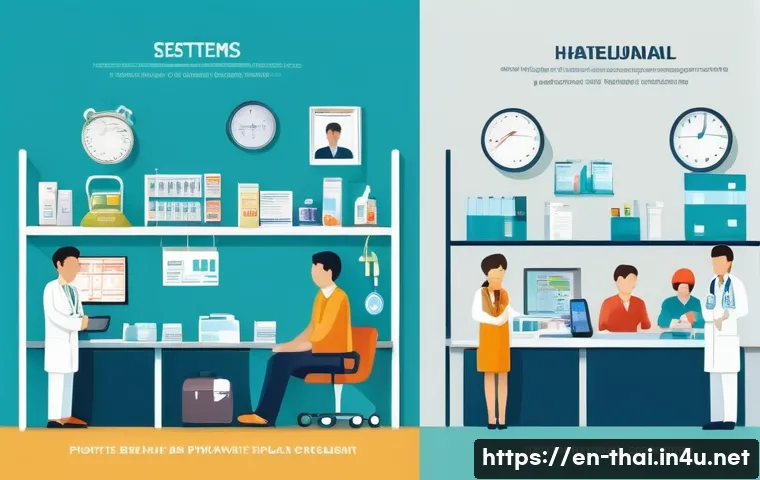
The choice between government and private hospitals in Thailand is more than just a matter of cost—it’s about the entire patient experience. Government hospitals, while affordable and well-equipped, can be crowded and bureaucratic.
I’ve visited several public hospitals and noticed that while the quality of care is generally good, wait times can be long and English-speaking staff may not always be available.
On the flip side, private hospitals often provide a more comfortable environment, shorter wait times, and personalized care, which explains their popularity among expats and tourists.
Facilities like Bangkok Hospital and Bumrungrad International are renowned for their international standards and multilingual staff.
Access to Specialists and Advanced Treatments
If you have specific health concerns requiring specialist care, private hospitals in Thailand usually offer better access and faster appointments. Many private institutions have international accreditation and partnerships with overseas medical centers, allowing for advanced diagnostics and treatment options.
From what I gathered through personal research and expat testimonials, private hospitals also provide more privacy and modern amenities, which can make a significant difference during recovery.
Meanwhile, government hospitals focus more on general and emergency care but might refer complex cases to specialized centers.
How Insurance Networks Affect Your Choices
Most insurance plans, especially private ones, have agreements with certain hospitals and clinics, which means your coverage is often tied to a network.
Staying within this network usually ensures lower costs and smoother claims processes. However, if you visit an out-of-network provider, you might have to pay upfront and submit claims yourself, which can be a hassle.
It’s a good idea to check the hospital network coverage before enrolling in a plan, especially if you prefer certain hospitals or have ongoing treatment needs.
My own experience showed that knowing which hospitals are covered can save a lot of stress and unexpected expenses.
How to Make the Most of Thailand’s Healthcare System
Practical Tips for Expats and Long-Term Visitors
Living in Thailand with the right health insurance can be a game-changer. From my conversations with expats, staying proactive by scheduling regular check-ups and maintaining a good relationship with your chosen healthcare providers is key.
It’s also wise to keep all your insurance documents handy and understand the claims process thoroughly to avoid surprises. Many expats recommend enrolling in private insurance early, even if you’re healthy, because medical emergencies can happen anytime.

Also, learning some basic Thai medical terms or having a bilingual contact helps when visiting government hospitals.
Leveraging Telemedicine and Digital Health Services
Thailand has been quick to adopt digital health technologies, especially in urban centers. Many private insurers now offer telemedicine consultations, which can be incredibly convenient for minor illnesses or follow-up appointments.
From my own use of these services, I can say they save a lot of time and reduce the need to physically visit clinics for routine questions. This trend is growing, making healthcare more accessible and efficient, especially for those with busy schedules or mobility issues.
Understanding Claim Procedures and Avoiding Pitfalls
Navigating insurance claims can feel daunting, but knowing the steps upfront simplifies the process. Typically, private insurers require pre-authorization for hospital admissions and certain procedures.
Submitting claims promptly with all required documentation speeds up reimbursements. Some expats I’ve spoken with recommend using insurance brokers or agents who can guide you through the paperwork and communicate with insurers on your behalf.
Being aware of policy limits and exclusions also helps avoid denials. Patience and thoroughness are your best allies when dealing with claims in a foreign healthcare system.
Financial Insights: Cost Breakdown and Value Assessment
How Insurance Premiums Compare Across Providers
Insurance premiums in Thailand vary widely depending on factors like age, coverage level, and insurer reputation. For instance, basic private plans start around $300 per year for younger adults, while comprehensive packages with extensive benefits and hospital networks can exceed $1,500 annually for older individuals.
From my experience, it’s tempting to choose the cheapest option, but the value often lies in the scope of coverage and customer service quality. Many expats find it worthwhile to invest in plans that cover international travel or emergency evacuation, given the region’s travel patterns.
Out-of-Pocket Costs: What to Expect Beyond Premiums
Even with insurance, some out-of-pocket expenses are common in Thailand’s healthcare system. Co-payments, deductibles, and costs for non-covered services can add up.
For example, certain diagnostic tests, medications, or specialist visits might not be fully reimbursed, depending on your plan. I’ve noticed that transparent communication with your insurer about these costs can prevent unpleasant surprises.
Keeping a contingency fund for medical expenses is a smart practice, especially for expats without full coverage under public schemes.
Summary of Key Plan Features and Costs
| Insurance Type | Coverage Highlights | Typical Annual Premium Range | Common Out-of-Pocket Expenses | Ideal For |
|---|---|---|---|---|
| Universal Coverage Scheme (UCS) | Basic healthcare, emergency care, chronic disease management | Minimal or government-subsidized | Co-payments for some services, limited elective coverage | Thai nationals, long-term residents |
| Private Health Insurance (Basic) | Private hospital access, outpatient care, some specialist visits | $300 – $700 | Deductibles, co-payments, limited coverage exclusions | Young expats, budget-conscious individuals |
| Private Health Insurance (Comprehensive) | Full hospital coverage, international evacuation, dental, vision | $800 – $1,500+ | Lower co-pays, fewer exclusions | Older expats, families, those with pre-existing conditions |
Legal and Regulatory Considerations
Visa Requirements and Insurance Mandates
Thailand’s visa regulations often intersect with health insurance requirements, particularly for long-term stays. Certain visa categories, such as retirement or work visas, may require proof of health insurance coverage as a condition for approval or renewal.
From talking to expats who’ve gone through this process, having the correct insurance documentation ready is crucial to avoid delays or complications.
It’s also important to stay updated on any policy changes, as the Thai government occasionally revises these rules to align with healthcare system reforms.
Consumer Rights and Complaint Procedures
While Thailand’s insurance market is competitive, issues with claims or service quality do arise. Fortunately, the country has regulatory bodies that oversee insurance companies and protect consumer rights.
If you encounter problems, you can file complaints with the Office of Insurance Commission or seek assistance from consumer advocacy groups. Based on reports from expats, documenting all communications and understanding your policy terms thoroughly are essential steps when disputing claims or service issues.
Being informed empowers you to demand fair treatment and resolution.
Staying Ahead with Policy Updates and Reforms
Healthcare policies in Thailand continue to evolve, influenced by demographic shifts, economic factors, and technological advancements. Keeping abreast of these changes can help you optimize your insurance coverage and healthcare experience.
Subscribing to newsletters from insurance providers, joining expat community forums, or consulting healthcare advisors are practical ways to stay informed.
Personally, I find that proactive engagement with these resources helps me make smarter decisions and avoid surprises in a system that can sometimes change without much fanfare.
In Conclusion
Thailand’s healthcare system offers a variety of options tailored to different needs and budgets. Whether you rely on public coverage or choose private insurance, understanding the details is key to making informed decisions. By staying proactive and well-informed, expats and residents can enjoy quality healthcare without unexpected hurdles. Ultimately, investing time in choosing the right plan ensures peace of mind and better health outcomes in this vibrant country.
Useful Tips to Keep in Mind
1. Always review your insurance policy carefully, paying close attention to exclusions and waiting periods before enrolling.
2. Maintaining good communication with healthcare providers and your insurer helps avoid misunderstandings and claim delays.
3. Consider private insurance early, even if you’re currently healthy, to prepare for unexpected medical needs.
4. Utilize telemedicine services when available to save time and manage minor health issues conveniently.
5. Keep copies of all insurance documents and receipts, as they are essential for smooth claim processing.
Essential Takeaways
Choosing the right healthcare coverage in Thailand involves balancing cost, coverage scope, and convenience. Public schemes provide affordable access but may have limitations in specialist availability and wait times. Private insurance offers greater flexibility and faster service but comes at higher premiums and requires careful plan comparison. Being aware of visa requirements, policy updates, and consumer rights helps navigate the system confidently. Staying informed and proactive ultimately leads to better health security and a smoother experience within Thailand’s diverse healthcare landscape.
Frequently Asked Questions (FAQ) 📖
Q: How does Thailand’s public health insurance system work for expats and residents?
A: Thailand’s public health insurance, primarily the Universal Coverage Scheme (UCS), is designed to provide affordable healthcare access to Thai citizens and some residents.
Expats, however, usually aren’t eligible for UCS unless they have permanent residency or specific work permits tied to social security contributions. For most expats, the Social Security System (SSS) applies if they are formally employed in Thailand, offering coverage for medical treatments, maternity, and work-related injuries.
If neither applies, expats often rely on private insurance or international health plans. From my experience, understanding which category you fall into early on can save a lot of hassle when seeking medical care.
Q: What are the main benefits of private health insurance in Thailand compared to public coverage?
A: Private health insurance in Thailand offers several advantages over public coverage, especially for expats or those seeking faster, more flexible healthcare options.
With private plans, you typically get access to private hospitals known for shorter wait times, English-speaking staff, and a wider range of treatments, including elective procedures.
Many private policies also cover outpatient services, dental care, and international medical evacuation, which public insurance often doesn’t. I personally found private insurance invaluable during a minor surgery because it allowed me to choose my hospital and specialist without delays, something public insurance wouldn’t have provided.
Q: Can tourists or short-term visitors access Thailand’s health insurance system?
A: Generally, tourists and short-term visitors aren’t covered by Thailand’s public health insurance systems like UCS or SSS. They are expected to have travel insurance or international health insurance before arriving.
Some private hospitals offer direct billing for international insurance, but it’s crucial to confirm this beforehand. If you’re staying short-term and want peace of mind, purchasing travel insurance that includes medical coverage is the safest bet.
From what I’ve seen, many travelers underestimate the importance of this, leading to costly out-of-pocket expenses in case of emergencies.