Thailand’s traditional textiles are a vibrant tapestry of history, culture, and artistry woven into every thread. These fabrics tell stories of ancient kingdoms, local legends, and the skilled hands that create them.
From intricate silk patterns to bold, colorful motifs, each piece reflects a unique blend of heritage and craftsmanship. Exploring these textiles offers a glimpse into Thailand’s rich cultural identity and the communities that keep these traditions alive.
Let’s dive deeper and uncover the fascinating world behind these timeless fabrics!
The Artistry Behind the Loom
The Hands That Weave History
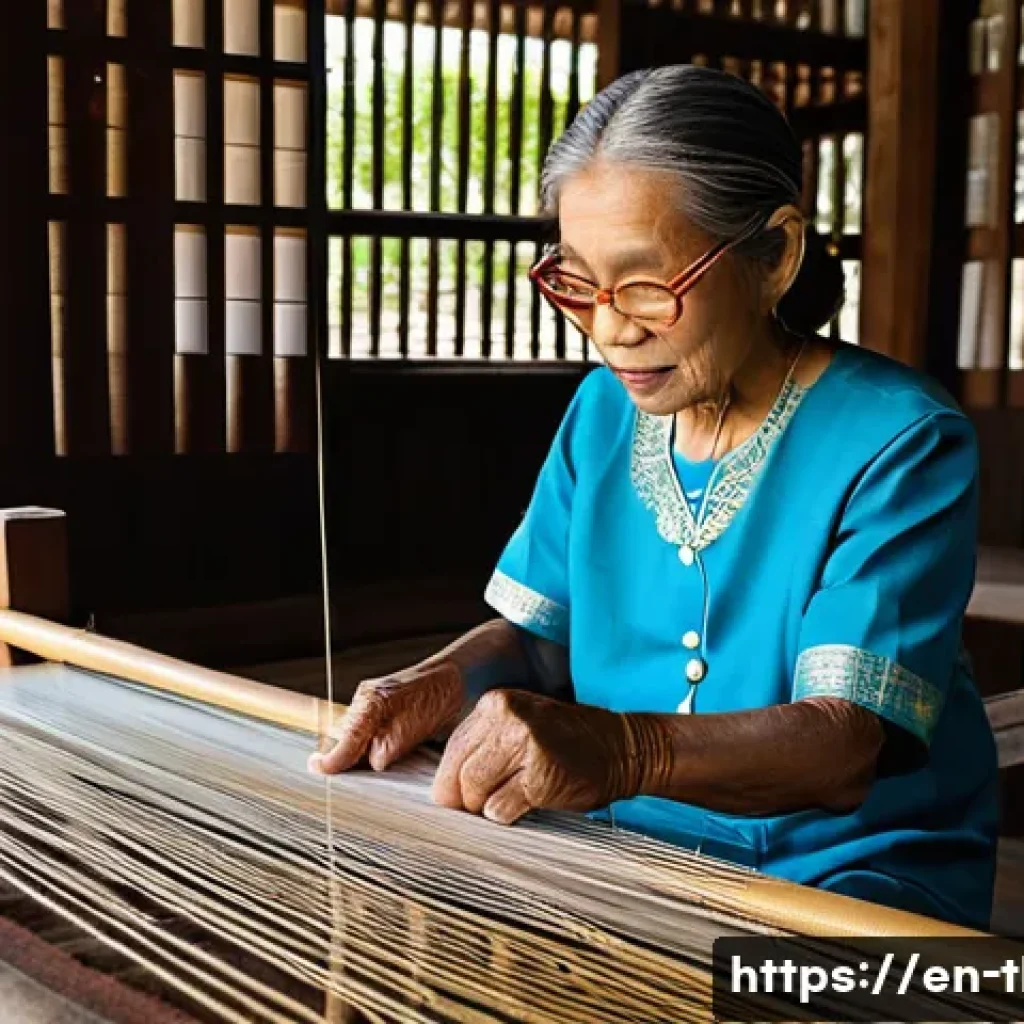
When you watch a traditional Thai textile being woven, it’s almost like witnessing history come alive. The artisans, often women who have inherited this craft from generations before them, work with such delicate precision that every thread seems to carry a story.
I remember visiting a small village where an elderly weaver shared how she learned the craft from her mother as a child. The rhythm of the loom, the way she expertly guided the threads, was mesmerizing.
It’s not just fabric; it’s a living connection to the past, passed down through patient, loving hands.
Techniques Rooted in Tradition
The techniques used in crafting these textiles are incredibly diverse and deeply symbolic. For example, the ikat dyeing method, where threads are tie-dyed before weaving, creates mesmerizing patterns that seem to dance across the fabric.
Another fascinating technique is the intricate silk brocade weaving, where gold and silver threads are woven into the fabric to create shimmering motifs often inspired by nature or mythology.
These methods aren’t just about aesthetics—they hold cultural significance, representing social status or regional identity. My experience trying to learn even a fraction of these techniques gave me newfound respect for the artisans’ skill and patience.
The Role of Natural Dyes
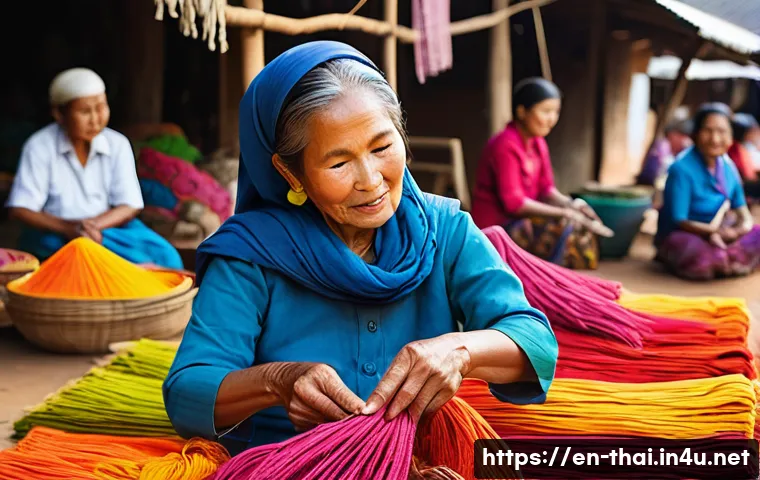
What truly amazed me was the vibrant color palette that traditional Thai textiles boast, all derived from natural sources. From indigo leaves producing deep blues to the rich reds extracted from the sappanwood tree, each color tells a story of its own.
The process of creating these dyes is labor-intensive and requires a deep understanding of local flora. When I visited a dye workshop, the earthy scent of boiling plants filled the air, and watching the transformation of pale threads into vivid hues felt almost magical.
These natural dyes not only enhance the beauty of the textiles but also ensure environmental sustainability, a practice that modern fashion could learn a lot from.
Regional Variations and Symbolism
Northern Elegance: The Lanna Influence
Northern Thailand, particularly the Lanna region, is renowned for its exquisite silk textiles. The patterns here often feature geometric shapes intertwined with floral motifs, reflecting Buddhist symbolism and local folklore.
I was fascinated by how these designs aren’t merely decorative but serve as protective charms or blessings for the wearer. The weaving techniques in this region are complex, with some patterns taking months to complete.
Spending time in Chiang Mai, I noticed how these textiles are not only worn for ceremonies but also displayed proudly in homes as a testament to cultural pride.
Isan’s Bold and Rustic Textiles
In the northeast, or Isan region, textiles have a distinct rustic charm. The fabrics often sport bold, contrasting colors with simple yet powerful designs, reflecting the hardworking spirit of the local communities.
What stood out to me was the use of mudmee (tie-dye) techniques and hand-loomed cotton, which create a tactile, earthy feel. These textiles are deeply connected to the agricultural lifestyle of the people, often incorporating symbols of fertility and prosperity.
I had the chance to buy a handwoven scarf from a market in Ubon Ratchathani and felt instantly connected to the stories woven into its fabric.
Southern Coastal Inspirations
Southern Thailand’s textiles draw heavily from the vibrant coastal environment. Bright, tropical colors and motifs inspired by marine life are common here.
Unlike the more subdued northern styles, southern textiles burst with energy and life. I recall meeting a group of weavers who incorporated shells and beads into their fabrics, adding a tactile dimension that’s unique to this area.
The textiles here are often used in festivals and dances, where their vivid colors enhance the celebratory atmosphere, showcasing a joyful and dynamic cultural identity.
The Economic and Social Impact of Textile Crafting
Empowering Communities Through Craft
One of the most inspiring aspects of traditional Thai textiles is how this craft supports entire communities. Many weaving villages rely on the income generated from selling their fabrics to tourists and collectors worldwide.
I’ve witnessed firsthand how these weaving cooperatives empower women, giving them financial independence and a sense of pride in their heritage. The communal nature of these crafts also fosters strong social bonds, preserving not just techniques but the cultural fabric of the region.
Challenges in a Modernizing World
Despite their cultural importance, traditional weavers face significant challenges. The rise of mass-produced textiles has made it harder for handcrafted pieces to compete on price.
When I spoke with younger artisans, many expressed concerns about the future of their craft, fearing it might be lost amid modernization. However, there are also hopeful signs: some cooperatives are embracing e-commerce, reaching international buyers who appreciate authentic craftsmanship.
Supporting these artisans isn’t just about preserving tradition; it’s about sustaining livelihoods and cultural diversity.
How Tourism Shapes Textile Traditions
Tourism has played a dual role in the fate of Thai textiles. On one hand, it has provided vital markets and increased appreciation for these arts. On the other, it sometimes pressures artisans to prioritize quantity over quality or adapt designs to tourist tastes.
I noticed that the most authentic pieces often come from smaller, less tourist-heavy areas where the craft remains rooted in tradition. As a traveler, seeking out these genuine experiences not only enriches your understanding but directly supports the artisans’ sustainable practice.
Materials and Their Unique Qualities
Silk: The Luxurious Fiber
Silk is undoubtedly the crown jewel of Thai textiles, prized for its lustrous sheen and soft texture. The process of cultivating silk, from raising silkworms to spinning threads, is laborious but rewarding.
I had the chance to visit a silk farm, where the delicate balance of nature and human care was evident. Thai silk varies regionally, with the northern varieties often being finer and more detailed.
Wearing a piece of this silk feels like draping yourself in tradition and elegance simultaneously.
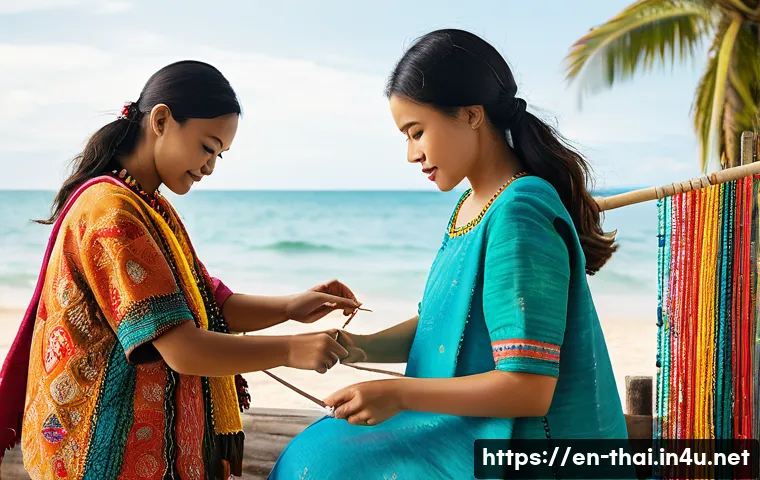
Cotton: The Everyday Workhorse
Cotton plays a crucial role in everyday textiles, especially in rural areas. It’s more affordable and versatile than silk but still offers durability and comfort.
The hand-spun cotton fabrics I encountered in the Isan region had a warmth and texture that machine-made textiles can’t replicate. The simplicity of cotton also allows for bold patterns and vibrant dyes to stand out, making these fabrics both practical and beautiful.
Gold and Silver Threads: The Glamorous Touch
In ceremonial textiles, gold and silver threads are woven into the fabric to signify status and festivity. These metallic accents catch the light and add a regal dimension to garments worn during important events.
I was lucky enough to see a traditional costume embroidered with these threads during a cultural festival in Bangkok. The shimmer and intricate detail were breathtaking, reminding me that textiles are not just clothing but symbols of identity and celebration.
Common Motifs and Their Meanings
Floral and Fauna Patterns
Many Thai textiles feature motifs inspired by the natural world, such as lotus flowers, birds, and mythical creatures. These patterns are not random; each carries a meaning.
The lotus, for example, represents purity and spiritual awakening, while the naga (serpent) symbolizes protection and power. When I looked closely at a handwoven shawl, I could almost read the story it told through these symbolic designs, connecting wearer and maker in a shared cultural language.
Geometric and Abstract Designs
Beyond nature, geometric shapes and abstract patterns dominate many traditional pieces. These designs often embody philosophical or spiritual ideas, such as balance, harmony, and the cycle of life.
I found that the repetition of shapes creates a hypnotic effect, drawing the eye across the fabric in a rhythmic dance. Understanding these motifs gave me a deeper appreciation of how textiles serve as both art and narrative.
Colors and Their Cultural Significance
Colors in Thai textiles are never chosen arbitrarily. Each hue carries cultural weight—red for life and protection, yellow for royalty and Buddhism, blue for tranquility and healing.
When I wore a scarf dyed with natural indigo, I felt a subtle connection to these traditions, as if the color itself carried ancient blessings. Recognizing these meanings added layers of depth to my experience with the textiles, turning them into more than just beautiful objects.
Preservation Efforts and Modern Innovations
Reviving Ancient Techniques
There’s a growing movement in Thailand to revive and preserve ancient textile techniques. Cultural organizations and government initiatives are working alongside local communities to document and teach these skills.
I attended a workshop where young people were learning to weave using century-old methods, blending tradition with contemporary creativity. This revival is crucial—not just for heritage but for inspiring new generations to value craftsmanship over mass production.
Blending Tradition with Contemporary Design
Some modern designers are creatively incorporating traditional textiles into contemporary fashion, making them relevant for today’s audiences. I discovered brands that use handwoven fabrics in chic, wearable designs, effectively bridging the gap between old and new.
This fusion not only helps sustain artisan communities but also introduces these beautiful textiles to a global market eager for authenticity and uniqueness.
The Role of Technology in Textile Promotion
Technology is playing an unexpected but important role in preserving and promoting Thai textiles. From online marketplaces connecting artisans with international customers to digital archives documenting patterns and techniques, technology helps keep the tradition alive.
I found that social media platforms also allow artisans to tell their stories directly, building emotional connections with buyers worldwide. This blend of tradition and innovation is a hopeful path forward for these priceless cultural treasures.
| Textile Type | Region | Material | Key Characteristics | Symbolism |
|---|---|---|---|---|
| Silk Brocade | Northern Thailand (Lanna) | Silk with gold/silver threads | Intricate patterns, shimmering texture | Royalty, protection, spirituality |
| Mudmee (Ikat) | Northeast (Isan) | Cotton or silk | Tie-dye patterns, vibrant contrasts | Fertility, prosperity, community spirit |
| Coastal Textiles | Southern Thailand | Cotton with beads/shells | Bright colors, marine-inspired motifs | Celebration, vitality, local identity |
| Natural Dye Fabrics | Various regions | Cotton or silk | Earthy tones, plant-based dyes | Harmony with nature, sustainability |
In Conclusion
The artistry behind traditional textiles is a profound blend of history, culture, and craftsmanship that continues to inspire and connect generations. Experiencing these fabrics firsthand reveals not just their beauty but the stories and values they embody. Preserving and celebrating these traditions enriches our understanding of cultural identity and supports the artisans who keep these skills alive. It’s a timeless craft that deserves appreciation and mindful support in our modern world.
Useful Information to Know
1. Traditional textile weaving is often a family heritage, passed down through generations, preserving unique cultural stories and techniques.
2. Natural dyes used in these textiles come from local plants, offering vibrant colors while promoting sustainable and eco-friendly practices.
3. Different regions have distinct styles and motifs, each reflecting local beliefs, social status, and environmental influences.
4. Modern challenges include competition from mass production, but technology and e-commerce are opening new markets for artisans worldwide.
5. Supporting authentic handmade textiles helps empower communities, sustain cultural diversity, and encourage the revival of ancient crafts.
Key Takeaways
Traditional textile craftsmanship is not just about creating fabric; it is a cultural expression deeply tied to history and identity. The use of natural materials and dyes highlights an eco-conscious approach that modern industries can learn from. Regional variations reflect diverse stories and symbolism, enriching the fabric’s meaning. While modernization poses challenges, blending tradition with innovation offers hope for preserving these art forms. Most importantly, buying and valuing handmade textiles empowers artisans and keeps their heritage thriving for future generations.
Frequently Asked Questions (FAQ) 📖
Q: What makes traditional Thai textiles unique compared to other fabrics around the world?
A: Traditional Thai textiles stand out because of their deep cultural significance and the meticulous craftsmanship involved. Each piece is handwoven using techniques passed down through generations, often incorporating symbolic patterns and vibrant colors that tell stories of Thailand’s history and local legends.
The use of natural dyes and silk threads adds a luxurious texture and unique sheen that you don’t typically find in mass-produced fabrics. I’ve seen firsthand how these textiles capture not just beauty but also the spirit of the communities that create them, making each fabric truly one-of-a-kind.
Q: How are traditional Thai textiles made, and how long does the process take?
A: The creation of traditional Thai textiles is a labor-intensive process that involves several stages—starting from harvesting and preparing silk or cotton fibers, dyeing them with natural colors, to the intricate weaving itself.
Skilled artisans often spend weeks or even months on a single piece, especially when the design is elaborate. For example, the famous mudmee silk requires precise tying and dyeing techniques before weaving, which can be quite time-consuming.
From what I’ve experienced visiting weaving villages, the patience and care put into every thread truly reflect the artisan’s dedication to preserving this heritage.
Q: Where can I buy authentic traditional Thai textiles, and how can I be sure they are genuine?
A: Authentic Thai textiles can be purchased at local markets, artisan villages, and specialty shops throughout Thailand, especially in regions known for weaving like Chiang Mai, Isan, and the northeast.
To ensure you’re getting genuine handwoven fabric, look for signs such as slight irregularities in the weave—which indicate handmade quality—and ask about the origin and the artisan behind the piece.
Many shops now also provide certificates of authenticity or information about the community that produced the textile. When I bought a silk scarf directly from a weaving cooperative, they happily shared the story behind it, making the purchase feel much more meaningful and trustworthy.