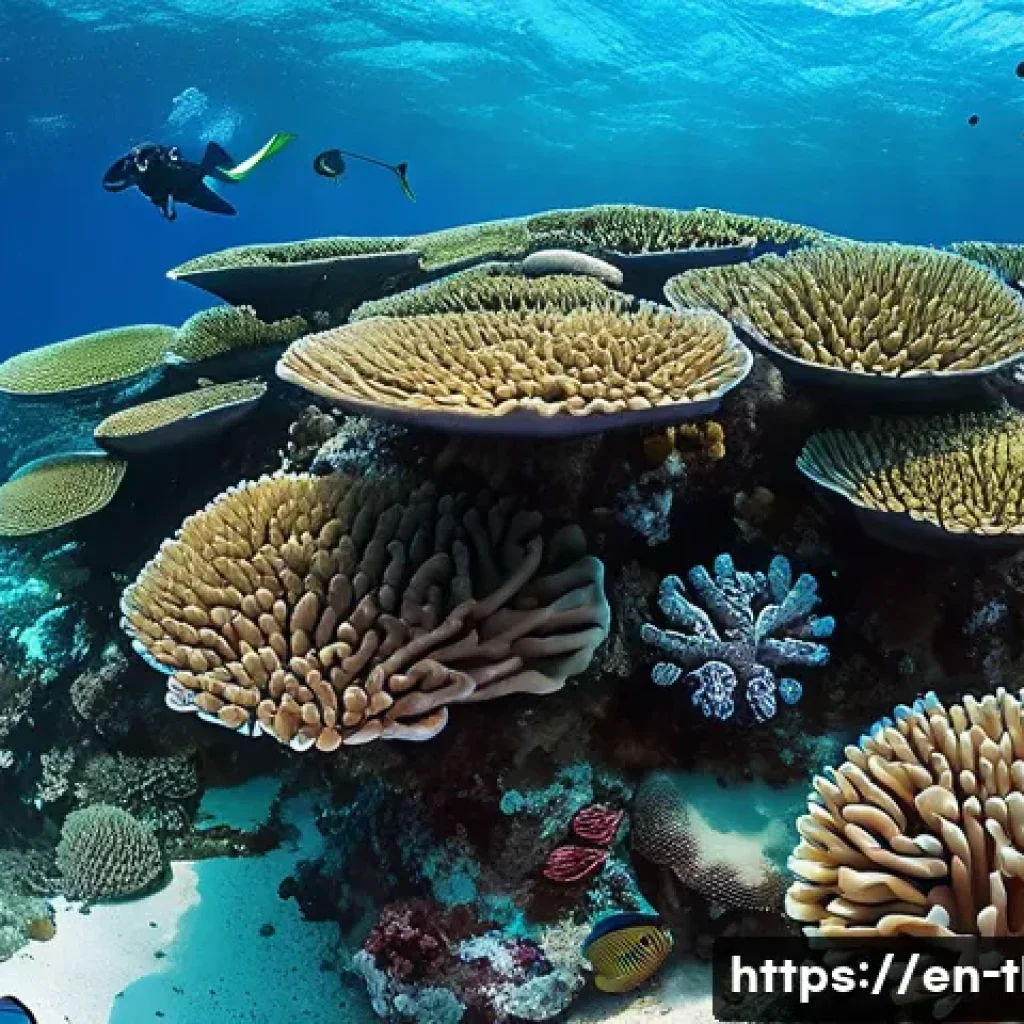
Exploring Thailand’s vibrant marine life offers an unforgettable adventure beneath crystal-clear waters teeming with colorful coral reefs and exotic sea creatures.
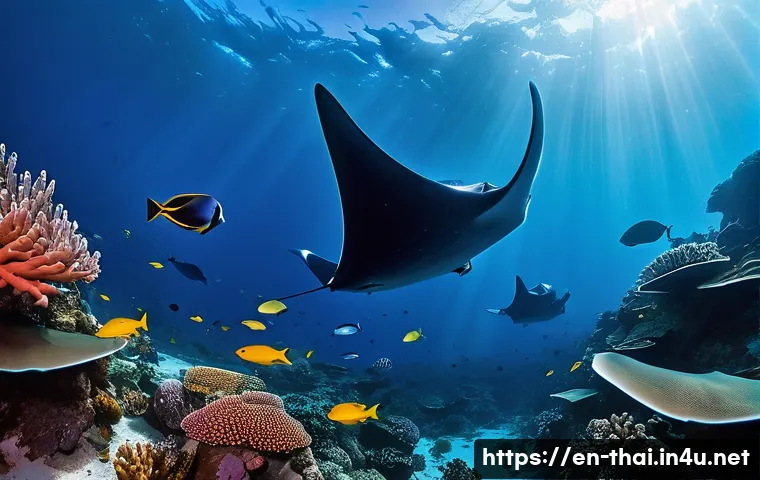
From snorkeling alongside playful clownfish to diving into the depths to witness majestic manta rays, the country’s coastal ecosystems are a paradise for ocean lovers.
Whether you’re a seasoned diver or a curious traveler, Thailand’s diverse underwater world promises experiences filled with wonder and discovery. The blend of rich biodiversity and stunning seascapes makes every moment magical.
Let’s dive deeper and uncover the fascinating marine life experiences Thailand has to offer!
Discovering Thailand’s Diverse Coral Reefs
Colorful Coral Gardens That Captivate the Eye
Thailand’s coral reefs are nothing short of breathtaking. Snorkeling in places like the Similan Islands or Koh Tao reveals a vibrant underwater tapestry, where corals of every shape and hue sway gently with the currents.
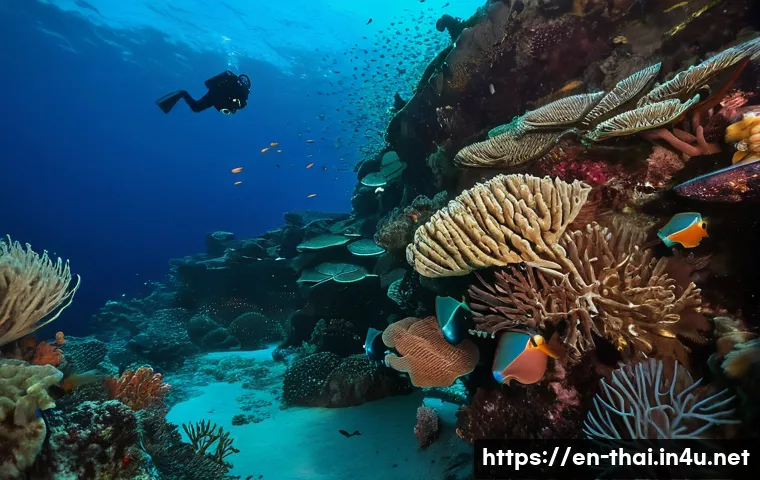
From brain corals to delicate sea fans, these reefs create a living mosaic that supports an incredible variety of marine life. The sheer density of corals here surprised me during my first visit, and the close proximity to so many species made every moment feel like being inside a living aquarium.
The reefs are not only visually stunning but also crucial to maintaining the ecosystem’s balance, acting as nurseries for countless fish species.
How Coral Health Reflects Ocean Well-being
Spending time underwater, you quickly realize how sensitive coral reefs are to environmental changes. I’ve noticed on multiple dives that areas with less human interference boast more vibrant corals and higher fish activity.
Coral bleaching, caused by rising sea temperatures, is a real threat here, and local conservation efforts are critical. Many dive shops now promote responsible diving practices, encouraging visitors to avoid touching or standing on corals.
It’s fascinating to witness firsthand how a healthy reef supports not only marine life but also local communities relying on tourism and fishing.
Best Spots for Coral Reef Exploration
If you want to explore the best coral reefs, places like Koh Phi Phi and Koh Lanta are perfect starting points. Koh Phi Phi’s clear waters and rich coral diversity make it a favorite among snorkelers and divers alike.
Meanwhile, the remote Similan Islands offer pristine reefs with less crowding, ideal for those seeking a more untouched experience. Personally, diving at Koh Tao’s Chumphon Pinnacle felt like entering a coral metropolis, where schools of fish darted through coral arches.
Each site offers unique reef formations and marine species, guaranteeing unforgettable underwater adventures.
Encounters with Thailand’s Iconic Marine Creatures
Swimming Alongside Playful Clownfish and Anemones
One of the highlights for me was snorkeling among the playful clownfish, those little orange-and-white characters that seem straight out of a cartoon.
Watching them dart in and out of their anemone homes was enchanting, and it felt like I was part of their vibrant ecosystem. Clownfish are surprisingly bold, often approaching snorkelers closely, which adds a personal touch to the experience.
These tiny fish play a crucial role in maintaining the health of their anemone partners, a perfect example of mutualism in nature.
Spotting Majestic Manta Rays in Their Natural Habitat
Manta rays are undoubtedly one of the most awe-inspiring creatures you can encounter in Thai waters. I was lucky enough to witness a group of these gentle giants gliding gracefully near Koh Bon, and it was a humbling experience.
Their massive wingspans and effortless movements through the water leave you speechless. Manta rays often gather at cleaning stations where small fish nibble parasites off their bodies, creating a unique spectacle of underwater cooperation.
Observing them closely without disturbing their natural behavior requires patience, but it’s well worth the wait.
Other Fascinating Marine Species to Watch For
Beyond the famous clownfish and manta rays, Thailand’s seas are home to an incredible array of marine life. From the elusive whale sharks cruising near Koh Tao to vibrant parrotfish nibbling on corals, every dive can bring a new surprise.
I once encountered a giant moray eel peeking out from a rocky crevice, which was both thrilling and a little intimidating. Sea turtles are also common visitors, gracefully navigating through seagrass beds.
Each species contributes to the rich tapestry of life beneath the waves, making every underwater adventure uniquely rewarding.
Essential Diving and Snorkeling Tips for Thailand’s Waters
Choosing the Right Equipment for Comfort and Safety
Selecting proper gear can make or break your underwater experience. I recommend renting or bringing a well-fitting mask and snorkel to avoid leaks and fogging, which can be frustrating during a dive.
For divers, a wetsuit not only protects against cooler temperatures but also shields from coral scrapes and sunburn. Many local shops offer high-quality equipment rentals, but if you plan to dive frequently, investing in your own gear enhances comfort and familiarity.
Always test your equipment beforehand to ensure everything works smoothly.
Timing Your Trips to Maximize Marine Life Sightings
The time of year and day can dramatically affect what you see underwater. The best diving season typically runs from November to April, when waters are calm and visibility peaks.
Early morning dives often reveal more active marine creatures, as many species feed or move around before the sun heats the ocean. I’ve found that joining guided night dives offers a completely different perspective, with nocturnal animals like lobsters and shrimps coming out.
Checking local weather and tide charts can help plan the most rewarding dive sessions.
Respecting Marine Environments to Preserve Beauty
One of the most important lessons I’ve learned is the significance of responsible diving and snorkeling. Avoid touching corals or chasing animals, as even minor disturbances can cause lasting damage.
Many dive centers in Thailand emphasize eco-friendly practices, and I encourage following their lead. Using reef-safe sunscreen and not littering are small but impactful actions.
By respecting the underwater world, we help ensure that future visitors can enjoy the same magical experiences. It’s a shared responsibility that adds deeper meaning to every dive.
Comparing Popular Marine Destinations in Thailand
| Location | Best For | Marine Highlights | Accessibility | Recommended Activities |
|---|---|---|---|---|
| Similan Islands | Advanced Divers | Pristine coral reefs, manta rays, whale sharks | Boat ride from Phuket, seasonal access (Nov-Apr) | Scuba diving, snorkeling, underwater photography |
| Koh Tao | Beginners & Intermediate | Colorful coral gardens, whale sharks, turtles | Ferry from Koh Samui or mainland | Snorkeling, scuba courses, night dives |
| Koh Phi Phi | All Levels | Diverse fish species, vibrant reefs, caves | Boat from Phuket or Krabi | Snorkeling, diving, cliff jumping |
| Hin Daeng & Hin Muang | Advanced Divers | Manta rays, big pelagic fish, deep walls | Liveaboard trips from Phuket or Krabi | Deep diving, wreck dives, photography |
| Koh Lanta | Relaxed Divers & Families | Soft corals, turtles, reef sharks | Ferry and road access from Krabi | Snorkeling, diving, beach relaxation |
Understanding the Role of Conservation in Marine Experiences
Local Efforts to Protect Fragile Ecosystems
During my travels, I’ve witnessed how local communities and NGOs are working tirelessly to safeguard Thailand’s marine habitats. Coral restoration projects, beach clean-ups, and education programs are becoming more common, helping raise awareness about the importance of ocean health.
Dive operators often partner with these initiatives, offering guests a chance to contribute directly. This involvement not only enhances the experience but also fosters a deeper connection to the environment, transforming tourists into advocates for preservation.
How Tourists Can Make a Positive Impact
As visitors, our choices matter. Choosing eco-friendly tours, minimizing plastic use, and supporting businesses committed to sustainability are practical ways to help.
I’ve found that asking guides about their conservation efforts and opting for smaller group tours reduces environmental footprints. Simple actions like avoiding souvenirs made from coral or shells protect marine populations.
By becoming informed and responsible travelers, we contribute to the longevity of these underwater wonders for generations to come.
Future Challenges and Hopes for Thailand’s Oceans
Despite ongoing efforts, challenges like climate change, overfishing, and pollution persist. I’ve seen areas where coral bleaching has diminished reef vitality, reminding me how urgent the situation is.
However, the passion of local conservationists and growing global awareness gives hope. Innovations in marine protection, such as establishing more marine protected areas and sustainable tourism models, are steps in the right direction.
Experiencing Thailand’s marine life firsthand inspires a commitment to advocate for cleaner, healthier oceans worldwide.
Unique Underwater Experiences Beyond the Usual Spots
Exploring Hidden Caves and Underwater Tunnels
Thailand offers some incredible underwater cave systems that provide a thrilling twist on typical dives. At places like Koh Phi Phi, I ventured through narrow tunnels where light filtered through openings, creating a surreal atmosphere.
These caves often harbor unique species adapted to darker environments, making exploration feel like a discovery mission. It’s essential to dive with experienced guides here due to the complexity and safety concerns, but the reward is an unforgettable adventure into a secret underwater world.
Night Dives: A Whole New Perspective
Diving at night changes everything. When I did my first night dive near Koh Tao, I was amazed by how the reef transformed. Creatures like fireworms, octopuses, and crustaceans become active, revealing behaviors you’ll never see during daylight.
The contrast of bioluminescent plankton lighting up the water adds an almost magical glow. Night diving requires special equipment and training, but it’s one of the most thrilling ways to connect with the ocean’s mysterious side.
Marine Wildlife Photography Tips for Beginners
Capturing Thailand’s marine life on camera is incredibly rewarding but also challenging. From my experience, patience and slow movements are key to getting close without scaring fish away.
Using a waterproof camera with macro and wide-angle lenses helps document both tiny critters and sweeping reef panoramas. Lighting is crucial underwater, so investing in strobes or video lights improves image quality dramatically.
Practicing ethical photography by not disturbing wildlife ensures the ocean remains a safe haven for its inhabitants.
Planning Your Marine Adventure: Logistics and Local Insights
How to Choose the Right Tour Operator
Picking a trustworthy tour operator can shape your entire experience. I always look for companies with strong environmental commitments and positive reviews from fellow divers and snorkelers.
Operators who employ certified guides and provide quality equipment tend to offer safer, more enjoyable trips. Some even include educational briefings about local marine life, which enriches the adventure.
Don’t hesitate to ask about group sizes and their policies on conservation to ensure your trip aligns with responsible tourism values.
What to Expect in Terms of Costs and Booking Tips
Prices for snorkeling and diving tours vary widely depending on location, duration, and included services. On average, a half-day snorkeling trip might cost around $30-$50, while a single dive can range from $50-$100, including gear rental.
Booking in advance, especially during peak season, helps secure better rates and availability. I’ve found that combining multiple dives or tours into a package often saves money and time.
Keep in mind that tipping guides and crew is customary if you’re happy with the service.
Local Customs and Practical Advice for Visitors
Engaging with local culture enhances your trip beyond just the underwater sights. Greeting locals politely and showing respect for their environment goes a long way.
Thailand’s tropical climate means staying hydrated and protecting your skin from the sun are musts, especially between dives. Additionally, learning a few basic Thai phrases related to diving or snorkeling can create a friendlier atmosphere.
Being mindful of waste disposal and avoiding single-use plastics helps maintain the pristine beauty of these marine hotspots.
Wrapping Up
Thailand’s underwater world offers an unforgettable blend of vibrant coral reefs, fascinating marine creatures, and unique diving experiences. Exploring these waters not only reveals natural beauty but also highlights the importance of preserving fragile ecosystems. Whether you’re a beginner or an experienced diver, the diverse marine life and stunning seascapes make every visit truly special. Embracing responsible tourism ensures these wonders remain for generations to come.
Useful Information to Keep in Mind
1. The best time for diving and snorkeling in Thailand is from November to April, when water conditions are calm and visibility is at its peak.
2. Renting or owning well-fitted equipment enhances comfort and safety, so always test your gear before heading underwater.
3. Respecting marine life by avoiding contact with corals and using reef-safe sunscreen helps protect the ecosystem.
4. Choosing eco-conscious tour operators supports conservation efforts and provides a more enriching experience.
5. Night dives offer a unique perspective on marine life, revealing creatures and behaviors unseen during the day.
Key Takeaways for a Memorable Marine Adventure
Understanding and respecting the delicate balance of Thailand’s marine environments is essential for any visitor. Prioritize sustainable practices, including minimizing environmental impact and supporting local conservation projects. Plan your trips during optimal seasons to maximize marine encounters, and invest in reliable gear to ensure a safe and enjoyable experience. Above all, approach your underwater journey with curiosity and care, fostering a lasting connection with the ocean’s vibrant life.
Frequently Asked Questions (FAQ) 📖
Q: What is the best time of year to explore Thailand’s marine life?
A: From my experience, the ideal time to dive or snorkel in Thailand is during the dry season, typically from November to April. The waters are calmer and visibility is crystal clear, making it easier to spot vibrant coral reefs and colorful sea creatures.
I remember snorkeling near Koh Phi Phi in March and being blown away by the underwater clarity and abundance of marine life. Avoiding the monsoon season is key since rough seas can limit your access to some of the best dive spots.
Q: Are there beginner-friendly snorkeling or diving spots in Thailand for travelers with no prior experience?
A: Absolutely! Thailand offers plenty of beginner-friendly locations. Places like Koh Tao and the Similan Islands have shallow, calm waters perfect for first-timers.
I personally took a snorkeling course in Koh Tao, and the instructors were super patient and made the whole experience enjoyable and safe. Many dive shops also offer introductory dives where you can explore the underwater world with a guide without needing a certification.
It’s a great way to get comfortable before going deeper.
Q: What marine animals can I expect to see while diving or snorkeling in Thailand?
A: Thailand’s waters are packed with incredible biodiversity. You can expect to see playful clownfish darting among sea anemones, graceful manta rays gliding through the depths, and even gentle whale sharks if you’re lucky.
On several dives around the Similan Islands, I encountered vibrant coral gardens, schools of barracuda, and curious sea turtles. The variety is truly breathtaking, and each dive feels like a new adventure.
Just remember to respect the environment and avoid touching the creatures or coral to keep this paradise thriving.