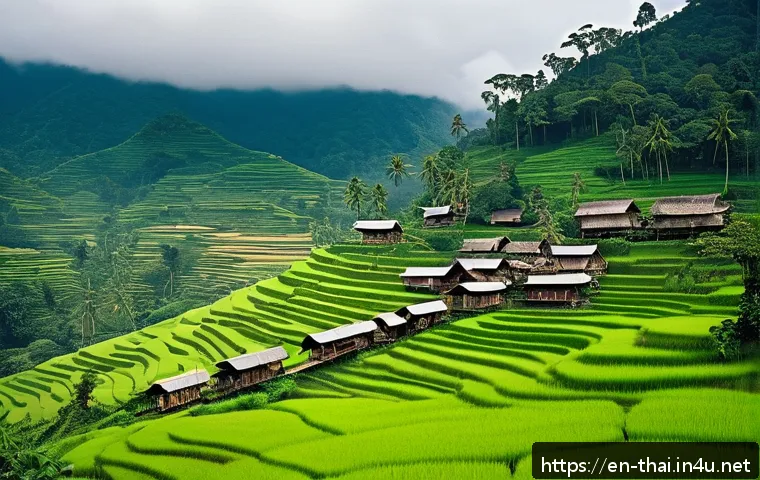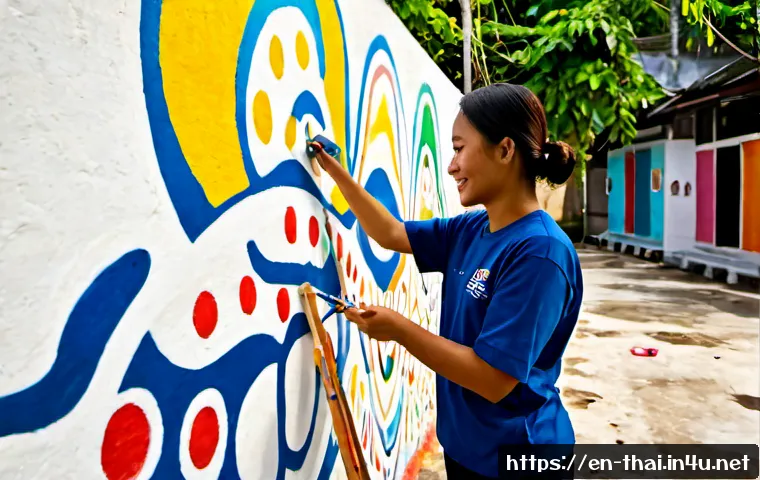
The best way to join an art project in Thailand is to choose the format that matches your available time, working style, and budget before you apply. Short workshops suit brief visits, residencies suit focused studio-based work, and open calls or local collaborations can support portfolio visibility and creative networking.
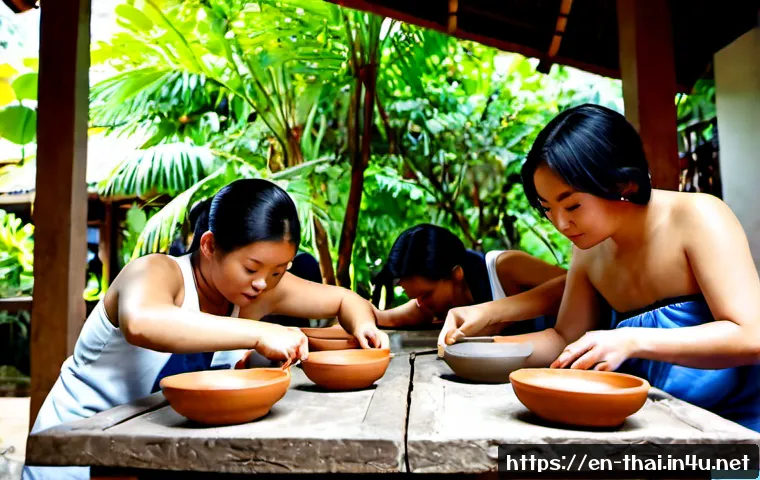
Start with organizers that clearly state the project outcome, participation fee, accommodation arrangement, studio access, and participant responsibilities.
Fees may be quoted in Thai baht (THB) or another currency, so confirm deposits, material costs, and payment terms before committing. International artists should also independently check current visa, work-permission, and paid-activity requirements before accepting compensated production work.
A careful comparison can prevent expensive surprises around transport, installation, documentation, insurance, and return shipping.
At a Glance
- Choose workshops for short learning experiences and local cultural exposure; choose residencies for longer independent production.
- Compare the full cost, not only the participation fee: accommodation, materials, transport, insurance, and shipping may be separate.
- Verify terms before paying, especially cancellation rules, studio access, ownership, image use, and any visa or paid-work implications.
| Format | Best For | Time Commitment | Cost Categories to Check | Key Decision Factor |
|---|---|---|---|---|
| Short workshop | Students, first-time visitors, skill building | Usually short and structured | Workshop tuition, materials, local transport, accommodation | Clear learning outcome and material inclusion |
| Artist residency | Focused production, mentoring, studio-based work | Longer and more self-directed | Residency fee, accommodation, studio rental or access, food, materials, shipping | Studio conditions, support level, and final presentation options |
| Open call or exhibition | Portfolio development and public visibility | Deadline-driven | Application, transport, installation, documentation, insurance, return shipping | Selection process, artwork handling, and image-use terms |
| Community collaboration | Local engagement and collaborative practice | Varies by project scope | Travel, materials, local coordination, production services | Defined roles, permissions, authorship, and cultural context |
The Best Way to Start an Art Project in Thailand
Choose a format based on your available time, budget, and creative goal
There is no single best route for every artist. A short workshop can be a practical starting point if you want guided learning, a manageable schedule, and a first introduction to local creative practice. A residency may fit better if you need uninterrupted time for a body of work, access to a studio, or opportunities to exchange ideas with other artists.
If your main goal is visibility, an open-call exhibition may be more relevant than a course or residency. If your practice depends on dialogue, participation, or site-specific work, a community project can offer a more collaborative route. The important question is not simply, “Can I join?” It is what outcome do I need from this trip?
Write down one primary goal before comparing options: skill development, production time, exhibition experience, professional networking, or cultural exchange. This makes it easier to avoid paying for a program that sounds attractive but does not support your actual work.
Start with organizers that clearly explain outcomes, fees, and participant responsibilities
A credible project description should make the basic structure understandable. Look for a clear explanation of what participants will do, what the organizer provides, what you must bring or arrange, and how the project ends. For example, a residency may mention studio access and mentoring, while an exhibition call may explain submission requirements, installation responsibilities, and artwork collection.
Before sending a deposit, ask whether the fee is quoted in Thai baht (THB) or another currency. Confirm whether the amount includes accommodation, materials, equipment, local transport, documentation, or any exhibition support. If the information is vague, request clarification in writing.
Also check whether the organizer describes its selection criteria. Portfolio quality, a project proposal, language ability, availability, and prior experience may all matter. A selective program is not automatically better, but a transparent process gives you a clearer basis for planning.
Compare Workshops, Residencies, Open Calls, and Community Collaborations
Short workshops for learning and local cultural exposure
Workshops are often the simplest choice for artists who have limited time in Thailand. They usually provide a defined activity, schedule, and learning focus. This can be useful if you want hands-on experience without committing to a long independent project.
Check whether materials are included or whether participants must buy them separately. Ask about the teaching language, group size, equipment availability, and whether there is a final presentation or documentation. These details affect both the value of the workshop tuition and your ability to use the experience in a portfolio.
For a first-time international visitor, a structured workshop can reduce uncertainty. Still, you should separately plan accommodation, travel insurance, local transport, and personal supplies unless the organizer clearly includes them.
Residencies for focused production, mentoring, and studio access
An artist residency can provide time, workspace, and a setting for sustained production. Some artists choose residencies because they want a studio environment rather than a class schedule. Others value mentoring, peer exchange, or a possible final exhibition.
The phrase “studio access” can mean different things. Ask whether the studio is private or shared, whether access is limited to certain hours, whether equipment is included, and whether there are restrictions on noise, dust, chemicals, large-scale fabrication, or installation work. If your practice is equipment-dependent, do not assume that a studio rental arrangement includes the tools you need.
Accommodation also deserves close attention. Confirm whether it is included, separate, shared, off-site, or subject to availability. Compare the accommodation arrangement with the studio location and local transport needs. A lower residency fee may not represent better value if daily travel or outside accommodation significantly increases the overall budget.
Exhibitions and open calls for visibility and portfolio development
Open calls can be useful when you want to submit existing work, propose a project, or seek a public presentation opportunity. They may involve different expectations from a workshop or residency. The organizer may ask for images, a portfolio, a statement, technical details, and a project proposal.
Read the call carefully for selection criteria, deadlines, submission format, installation requirements, and artwork collection procedures. You should also clarify who handles transport, installation, documentation, and deinstallation. These practical details can create costs beyond an advertised application or participation fee.
Before sending original artwork, check the organizer’s terms for ownership, image use, condition reporting, storage, insurance, sale arrangements, and return shipping. Do not assume that a displayed work can be sold, exported, insured, or shipped under the same terms as another project.
Community projects for collaboration and local engagement
Community-based art projects can be rewarding when your work is built through participation, dialogue, education, or shared making. They also require extra care. A project involving people, neighborhoods, cultural sites, or local partners should have a clear scope and a respectful approach.
Discuss responsibilities early: who makes decisions, who supplies materials, who obtains permissions, who documents the process, and how authorship will be credited. If you plan to photograph people or sites, confirm what permissions are needed and follow venue rules.
Strong collaboration is not only about creative chemistry. It also depends on realistic schedules, transparent budgets, language planning, and an agreement about what happens to the work after the project ends.
Costs, Budget Planning, and What Participation Fees Should Cover
Core costs: travel, accommodation, food, materials, and local transport
A participation fee is only one part of an art-project budget. Build a separate checklist for flights, accommodation, food, local transport, materials, tools, fabrication, printing, installation, documentation, insurance, and return shipping. If you work with fragile, oversized, or time-sensitive materials, transport planning should begin before you apply.
Keep currency clear throughout the process. Thailand uses THB, but organizers may describe fees or deposits in another currency. Confirm the payment currency, what the deposit secures, and whether additional material or production costs are charged later.
For projects with a physical outcome, ask yourself a practical question: Can I afford to bring this work home, ship it, store it, or leave it under the stated terms? This can matter as much as the initial project fee.
Questions to ask about studio access, equipment, documentation, and exhibition support
Use direct questions rather than broad assumptions. Ask whether studio access is included, whether equipment requires a separate fee, and whether materials can be sourced locally. If installation is part of the project, ask who supplies walls, plinths, tools, lighting, technical support, or venue staff.
Documentation is another area to clarify. Some projects may offer photographs or video, while others may expect participants to arrange their own. Confirm whether you can use images for your website, portfolio, grant applications, or future promotion, and whether credits are required.
If exhibition support is mentioned, ask what that support means in practice. It may refer to a venue, coordination, promotion, installation assistance, or basic documentation. The exact scope should be clear before you base a budget or travel decision on it.
When a higher-priced program may provide better value
A higher fee is not automatically a warning sign, and a low fee is not automatically a bargain. A program may offer stronger value when it clearly includes accommodation, useful studio access, organized mentoring, materials, documentation, or exhibition assistance that you would otherwise arrange yourself.
Compare what is included against your individual needs. An artist who needs a quiet workspace may value studio quality most. A short-term traveler may care more about location, accommodation clarity, and a fixed workshop schedule. An artist preparing new work may prioritize material sourcing and production support.
Compare accommodation, travel insurance, studio rental, and travel-planning options as separate decisions. The most suitable plan is the one with terms you understand and costs you can realistically manage.
Application Steps and Common Mistakes to Avoid
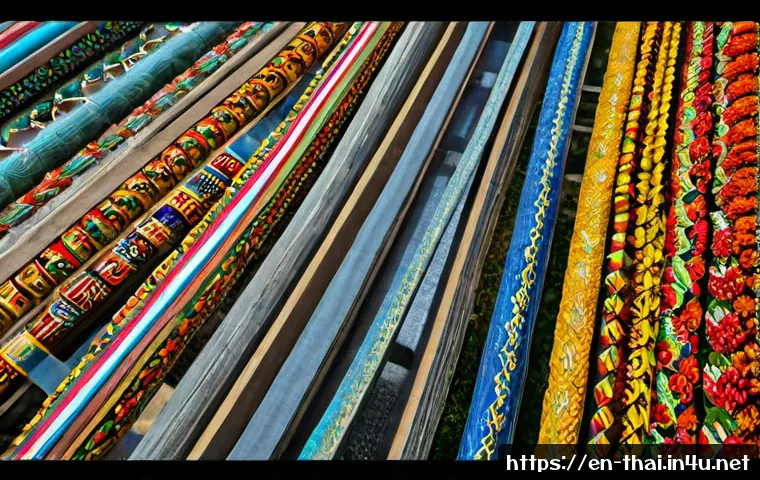
Prepare a focused portfolio and project proposal
Match your application to the format. For a workshop, a brief introduction and relevant experience may be enough. For a residency, open call, or collaboration, a focused portfolio and project proposal can help an organizer understand your direction.
Select work that relates to the opportunity rather than sending everything you have made. A concise portfolio can show your medium, visual language, and ability to complete work. In a proposal, explain the idea, working process, materials, space needs, expected timeline, and any support you may require.
Do not promise production methods that depend on facilities you have not confirmed. If a project requires a kiln, print studio, editing suite, fabrication tools, or specific installation equipment, state that you need to verify availability.
Read cancellation, refund, ownership, and image-use terms before paying
Before paying a deposit or participation fee, read the terms for cancellation and refunds. Confirm the payment schedule, what happens if the program changes, and what responsibilities apply if you need to withdraw.
Review intellectual-property and image-use terms with equal care. Ask whether the organizer may photograph your work, use it in promotion, archive it, or share it with partners. If the project is collaborative, clarify authorship and credits before production begins.
Keep copies of the project description, payment record, written confirmations, and agreed terms. This is useful if details later need to be checked, particularly for accommodation, studio access, artwork handling, or documentation.
Confirm visa, insurance, health, and safety arrangements independently
International visitors should confirm current visa, work-permission, and paid-activity requirements through official sources before accepting compensated work or production roles. The correct arrangement can depend on the activity and the project terms, so do not rely only on informal advice.
Travel insurance and health coverage should also be reviewed independently. Check what your policy covers in relation to travel, equipment, artwork, personal belongings, and planned activities. If a project involves tools, physical installation, travel to remote venues, or work with materials, ask the organizer about its safety rules and emergency procedures.
Practical Tips for International Artists Working with Local Partners
Communicate scope, deadlines, budgets, and authorship expectations early
Early communication makes creative collaboration easier. Put the essential points in writing: project scope, deadline, budget responsibility, materials, production roles, crediting, and the final destination of the work. This is especially important when several people contribute to one installation, event, or publication.
If a budget is limited, say so clearly before materials are ordered or production starts. A modest project with an agreed scope is usually more manageable than an ambitious plan built on assumptions.
Plan for language differences and culturally respectful collaboration
Language ability may be a selection factor for some opportunities, but clear communication matters more than trying to sound perfect. Use short written summaries, visual references, simple schedules, and confirmation messages when needed.
Respect local cultural context, venue rules, and the people involved in the project. Do not treat a community, location, or tradition as a backdrop for content. Ask questions, listen to local partners, and confirm permissions before photographing people or sensitive sites.
Document expenses, permissions, and artwork condition for future reference
Keep a simple record of payments, receipts, material purchases, transport arrangements, and agreed production costs. This helps you understand the actual cost of participating and makes future applications easier to budget.
For physical work, photograph its condition before transport, installation, and collection. Keep notes on dimensions, materials, packing, and handling instructions. If permissions are needed for photographs, locations, or contributors, save written confirmation with your project records.
Selection Criteria and Comparison Summary
Best choice for beginners, career-focused artists, and short-term travelers
Beginners and students may benefit most from a short workshop with a defined schedule, transparent tuition, and clear material information. Career-focused artists may prefer a residency or open call when studio access, portfolio development, mentoring, or exhibition support aligns with a specific project goal. Short-term travelers should prioritize programs with clear dates, realistic local transport needs, and accommodation details they can verify in advance.
Community collaboration can be a strong choice for artists whose practice depends on exchange and participation, but it requires extra attention to local partnerships, permissions, and authorship. In every case, select the opportunity based on the support you actually need, not only the title of the program.
Final checklist before committing money, travel time, or original artwork
Before you commit, check the following:
- Is the fee, deposit, and payment currency clearly stated?
- Are accommodation, studio access, materials, equipment, and documentation included or separate?
- Does the organizer explain the selection process, expected outcome, and participant responsibilities?
- Have you reviewed cancellation, refund, ownership, image-use, and artwork-handling terms?
- Have you independently checked visa, paid-activity, travel insurance, health, and safety considerations?
- Can you cover transport, installation, local travel, and return shipping if they are not included?
For final decisions, review the organizer’s official information and compare accommodation, insurance, studio rental, and travel-planning options side by side.
Final Thoughts
Joining an art project in Thailand can be a useful way to learn, produce work, exhibit, or build creative relationships. The strongest choice is usually the one with a clear purpose, transparent terms, and a budget that includes the less visible costs. Take time to compare the format, support level, and responsibilities before paying a fee or arranging travel. A well-documented plan leaves more room for the work itself.
Useful Information to Keep in Mind
1. Confirm whether fees and deposits are quoted in THB or another currency.
2. Separate project costs from personal travel costs when building a budget.
3. Ask about studio access, equipment, materials, and documentation in writing.
4. Keep records of payments, permissions, and artwork condition.
5. Treat accommodation, insurance, and shipping as decisions that need their own comparison.
Important Notes
Individual organizers may differ in reliability, curatorial standards, accommodation quality, contract terms, and support offered. A project may be paid, volunteer-based, fee-based, or grant-supported, and this must be confirmed directly. Visa, work-permission, and paid-activity requirements can also depend on your exact plan, so verify current requirements with official sources before accepting compensated work or production roles.
Frequently Asked Questions
Q1. How much does it cost to join an art residency or workshop in Thailand?
A1. Costs vary by organizer and format. In addition to workshop tuition or artist residency fees, you may need to budget for flights, accommodation, food, local transport, materials, studio rental or equipment access, insurance, installation, documentation, and return shipping. Confirm whether each charge is listed in THB or another currency.
Q2. Are art projects in Thailand suitable for first-time international artists?
A2. They can be suitable when the project has a clear structure and transparent participant information. First-time visitors may find a short workshop easier to manage because it often has a defined schedule and outcome. Before committing, check accommodation, teaching language, material requirements, local transport, insurance needs, and current travel or activity requirements.
Q3. What should I check before paying for an art program or sending my portfolio?
A3. Check the program outcome, fees and deposit terms, cancellation policy, selection criteria, accommodation, studio access, material costs, ownership terms, image-use permissions, and artwork transport arrangements. If you may receive compensation or take on a production role, independently confirm current visa and work-permission requirements through official sources.