Independent attendance works well when the festival schedule, transport, and visitor rules are clear; a local guide or pre-booked transfer is more useful when language barriers, crowds, or remote locations make logistics uncertain.
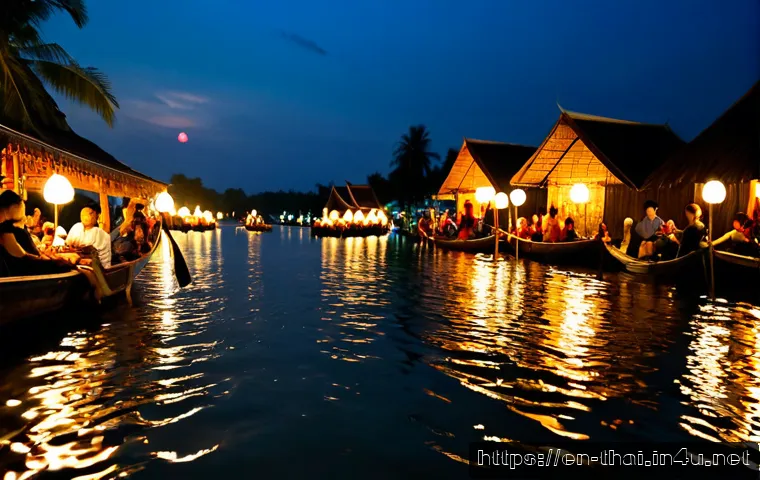
The best choice is not always the largest celebration—it is the event you can reach, leave, and join respectfully. Songkran is widely observed around 13–15 April, while Loi Krathong follows the Thai lunar calendar and changes date each year.
Smaller community celebrations may follow religious, agricultural, or lunar schedules, so confirm details close to departure before committing to non-refundable flights or hotels.
Festival periods can raise demand for transport, accommodation, and airport transfers. A little planning for Thai baht, modest clothing, and changing local rules helps you enjoy the occasion without treating it as a spectacle.
At a Glance
- Confirm local dates and rules close to travel time: community events may not follow a fixed Gregorian-calendar schedule.
- Choose support based on the difficulty of the trip: independent travel offers freedom, while guides and organized tours can reduce language and transport uncertainty.
- Allow extra time, cash in Thai baht, and flexibility: crowds, road closures, and limited services can affect a festival day.
| Travel Style | Flexibility | Likely Expenses to Plan For | Language and Crowd Support | Best Fit |
|---|---|---|---|---|
| Independent visit | High | Transport, accommodation, meals, donations, supplies, contingency cash | You manage directions, local questions, and changing plans yourself | Travelers comfortable confirming details and arranging return transport |
| Local guide | Moderate | Independent trip costs plus guide-related costs and agreed inclusions | Useful for local communication, etiquette questions, and navigating meeting points | Visitors seeking local context without giving up the whole itinerary |
| Organized festival tour | Lower | Tour cost plus items not included, such as personal purchases or extra transport | May simplify group movement and provide a clearer day plan | First-time visitors, families, and travelers with limited planning time |
The Quick Answer: Plan Around Local Rules, Not Just Festival Dates
A Thai festival date is only the starting point. The practical question is whether a particular community event is happening where you plan to be, whether visitors may join, and how you will travel during a busy period. Songkran is widely observed around 13–15 April, although some places may celebrate longer or differently. Loi Krathong is generally held on the full moon of the twelfth Thai lunar month, so its date changes on the Gregorian calendar.
Confirm the community schedule before booking non-refundable travel
Smaller festivals may follow a lunar calendar, an agricultural cycle, or a local religious schedule. Confirm the current date, location, route, entry expectations, and program close to your trip. Also check whether an activity is public, intended mainly for residents, or requires temple or organizer permission. This is especially important before committing to festival-area hotels, domestic transport, or an airport transfer.
Choose participation over spectacle: observe first, join when invited
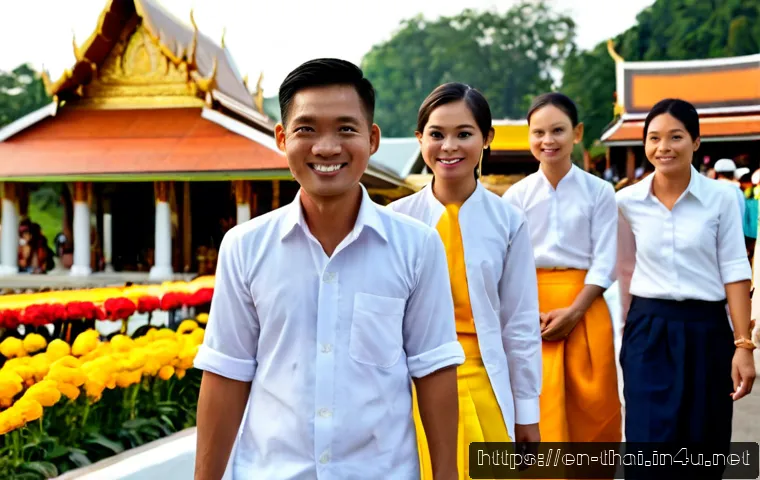
At a temple ceremony or neighborhood procession, start by watching how local participants behave. Follow instructions, stand where you are directed, and join only when participation is clearly welcomed. Respectful observation is still meaningful participation. Do not assume that a ritual, offering, or procession exists for visitor entertainment.
Budget extra time and Thai baht for peak-day disruptions
Thailand uses the Thai baht (THB), and cash can be useful in smaller communities and festival markets, although payment options vary. Build room in both your budget and schedule for meals, donations where appropriate, protective gear, and an unexpected change of route. During major festival periods, flights, buses, trains, hotels, and local transfers may be in higher demand.
Choose the Right Festival Experience for Your Travel Style
The right experience depends on your comfort with crowds, transport changes, weather, and limited local information. A major-city celebration may be easier to reach, while a provincial event can require more preparation even when it offers a quieter or more locally focused setting.
Major-city celebrations: easier logistics, larger crowds
Large urban celebrations can offer more accommodation choices and more transport connections. They can also involve heavier crowds, loud sound, road closures, and longer travel times across the city. If your priority is convenience, compare hotels by their distance from your intended activity and your return route—not only by the room itself. A nearby property may be useful if late transport is uncertain, but confirm its location against current road and event information.
Provincial events: deeper local context, more planning required
Smaller provinces may offer a different pace and stronger connection to local traditions. However, transport frequency, mobile service, payment options, and English-language assistance can vary. An independent traveler should have a clear arrival plan and a return-transport plan before heading to a remote event. A local guide or a small-group cultural experience can be worth considering when the route, meeting point, or community rules are difficult to confirm.
Religious, food, and seasonal events: what participation may involve
Temple events commonly call for modest clothing and calm behavior around religious spaces and rituals. Food and market events may be more casual, but they can still be crowded and cash-oriented. Seasonal celebrations may involve water, smoke, outdoor heat, rain, or long processions. Choose an event that matches your physical comfort level rather than forcing your itinerary around a famous name.
Independent Visit vs. Local Guide vs. Organized Tour
There is no universal “best” option. The better choice is the one that solves the real limitation in your plan: uncertain transport, language needs, crowd comfort, or lack of time to verify details.
Comparison table: cost, flexibility, language help, and access
Independent travel usually gives the most freedom to change plans, but it also puts schedule checks, navigation, and return arrangements on you. A local guide may add context and communication help while leaving room for your own itinerary. An organized cultural tour can make the day easier to coordinate, though you should still read the inclusions, meeting arrangements, and cancellation terms carefully. Paid access should never be assumed to override local rules or temple permission.
When pre-booked transfers and accommodation offer better value
Pre-booked transport can be useful when arrivals are late, roads may close, or your lodging is far from the festival area. It can also reduce uncertainty for families, solo travelers arriving in an unfamiliar place, and visitors who do not want to negotiate transport after a crowded event. Likewise, a festival-area hotel may be a practical choice if it shortens the walk to your planned activities. Compare the accommodation location, check-in access, and route back after the event before choosing.
Questions to ask before paying for a festival experience
Ask what is included, where the meeting point is, how the group handles road closures, and whether the plan involves a temple or private community space. Check what happens if schedules change and whether the experience is observation-focused or includes an invited activity. For travel insurance, review whether the policy suits your itinerary and the activities you expect to do; do not assume every festival-related situation is covered.
A Practical Participation Plan: Transport, Budget, and Etiquette
A simple plan prevents most avoidable stress. Think in categories rather than relying on a single total: travel, lodging, food, local movement, donations, supplies, and a contingency amount in THB.
Build a THB budget for travel, lodging, meals, donations, and supplies
List your expected flights or domestic travel, hotel, local transport, meals, and festival-day purchases. Then add possible donations, bottled water, weather protection, phone charging needs, and any protective items for water-based or outdoor events. Keep some Thai baht available for small vendors or communities where payment methods may be limited. Current fares, hotel rates, and tour inclusions vary, so verify them directly before booking.
Dress, footwear, and gear for temples, water events, and outdoor processions
For temple areas, choose modest clothing and footwear that is easy to manage if you may need to remove it. For Songkran or other water-related events, protect valuables from water and use clothing appropriate for getting wet. Outdoor processions may mean heat, rain, smoke, or standing for extended periods. Pack according to the likely conditions, but check local restrictions before bringing any item to an event.

Photography, personal space, alcohol, and respectful behavior
Photography rules can change by venue, ceremony, or organizer. Ask or look for guidance before photographing people in worship, ritual moments, or private community activities. Do not use a drone unless it is clearly permitted. Give participants room, avoid blocking a route, and follow any restrictions involving alcohol, water play, or clothing. When uncertain, put the camera down and observe.
Prepare for heat, rain, road closures, and limited mobile service
Save key information before leaving your hotel: the address, return route, meeting point, and a backup contact method. Expect that road closures and crowds may change how long a journey takes. Agree on a meeting place before separating from companions. If you use a guide or tour, confirm the meeting instructions and what to do if you cannot reach the group.
Avoid Common Mistakes During Local Celebrations
The most common problems come from assumptions: assuming an event is open, assuming transport will run normally, or assuming a familiar festival name means every location operates the same way.
Do not assume every ritual is a tourist activity
A public festival can include moments that are religious, local, or reserved for participants. Follow signs and organizer guidance. If you are unsure whether you may enter, take photos, make an offering, or join an activity, ask politely rather than copying another visitor.
Avoid arriving without a return-transport plan
Getting to an event is only half the journey. Major festival periods can increase demand for buses, trains, flights, hotels, and airport transfers. Before you go, know how you will return, what your backup option is, and whether road closures could change your route.
Protect valuables and verify meeting points in crowded areas
Water, crowds, and frequent movement can make bags, phones, and documents harder to manage. Carry only what you need, keep essential items protected, and make meeting points specific. “Near the entrance” may not be enough when an area is busy or routes are changed.
Respect restrictions that may change at short notice
Weather, safety conditions, organizer decisions, and religious schedules can all affect a program. The exact route, capacity rules, entry requirements, and permitted activities for a specific festival should be checked close to the date. Flexibility is part of respectful travel, not a planning failure.
Choosing the Right Festival Plan: A Final Cost-and-Comfort Checklist
Budget travelers: choose independent attendance when the community schedule, transport, and return route are easy to confirm. First-time visitors: consider a local guide, pre-booked transfer, or small-group cultural experience when language support and navigation would lower stress. Families or crowd-sensitive travelers: prioritize accommodation distance, quieter timing where available, a clear meeting plan, and an easy exit route.
Before booking, compare the festival-area hotel location, transport reliability, expected crowd conditions, and what your travel insurance actually covers. Check whether a tour includes the support you need rather than paying for features you will not use. For current accommodation locations, transfer terms, insurance coverage, and small-group experience details, review the official or provider page before you commit.
Closing Thoughts
Community festivals in Thailand can be a memorable part of an itinerary when you plan around local reality rather than a headline date. Confirm the schedule, leave room for disruption, and approach ceremonies with patience. Independent travel can work very well, but a guide, organized tour, or reliable transfer may be a sensible choice when it removes a genuine access or safety concern. The goal is simple: arrive prepared, participate only when welcome, and leave without creating extra pressure for the community.
Useful Information
1. Songkran is widely observed around 13–15 April, though local celebrations can differ.
2. Loi Krathong follows the Thai lunar calendar, so the Gregorian date changes each year.
3. Carrying some THB can be practical at smaller festival markets and communities.
4. Temple events commonly call for modest dress and respectful conduct.
5. Water, smoke, loud sound, crowds, and road closures may affect comfort and accessibility.
Important Notes
Exact festival dates, routes, entry rules, capacity limits, participation permissions, weather, transport fares, hotel prices, and tour inclusions can change. Photography, drones, alcohol, water play, and clothing rules may also differ by event. Confirm current details with the relevant local organizer, temple, transport provider, accommodation, or tour operator close to your travel date.
Frequently Asked Questions
Q1. Is it better to join a Thai local festival independently or book a guided tour?
A1. Independent attendance is a good fit when the date, location, visitor rules, and return transport are clear. A guided option can be more useful when you need language help, local context, support in a crowded area, or a more reliable plan for reaching a provincial event. Compare the guide’s meeting point, inclusions, group size, and flexibility before paying.
Q2. How much should I budget in Thai baht for attending a festival outside Bangkok?
A2. Build your THB budget around transport, accommodation, meals, local travel, donations where appropriate, supplies, and a contingency fund. Costs vary by province, travel date, hotel demand, and transport availability, so check current fares and lodging rates directly. If the event is remote or during a peak period, allow extra room for transport and accommodation changes.
Q3. Are visitors allowed to take photos at temple festivals and community ceremonies?
A3. Permission depends on the specific event, temple, organizer, and moment within the ceremony. Look for posted guidance and ask when unsure, especially around worship or rituals. Do not assume drones, close-up photos, or filming are permitted simply because an event is public.