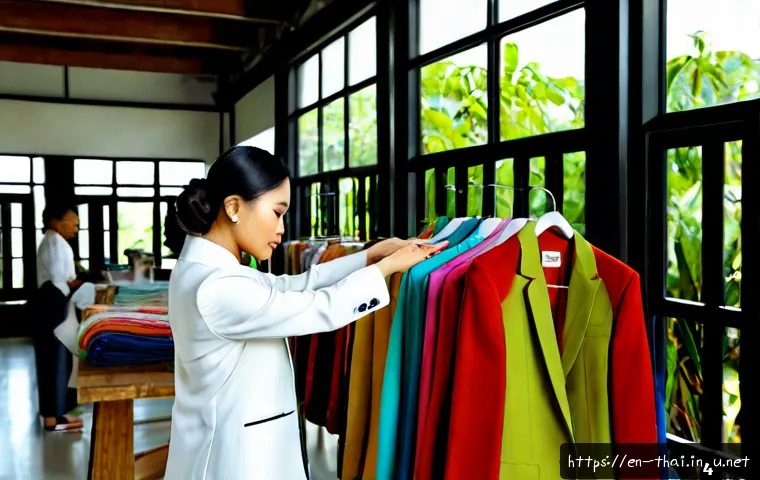
Thailand can be a strong fashion sourcing option when a brand needs access to an established apparel and textile sector, Bangkok-based trade activity, and a Southeast Asian distribution position.

It may be less suitable when the buyer chooses only by the lowest quoted unit price without confirming capability, quality control, and total landed cost.
The market combines garment production, fabrics, accessories, footwear, local designer labels, and retail channels shaped by tourism, malls, department stores, online marketplaces, and social commerce.
For buyers, the practical choice is usually between direct factory sourcing, a sourcing agent, or a local distribution partner. Comparing apparel manufacturing quotes in THB alongside freight, documentation, and exchange-rate exposure can make the decision clearer.
A sample-first process and direct supplier verification remain essential before any bulk commitment.
At a Glance
- Thailand has an established fashion ecosystem spanning textile production, garment manufacturing, accessories, footwear, local labels, and retail.
- Bangkok is a central point for wholesale trade, design talent, fashion visibility, and international visitor spending.
- The best sourcing route depends on product complexity, order volume, quality requirements, control needs, and total landed cost.
| Route | Main Cost Drivers | Best Suited To | Key Check Before Proceeding |
|---|---|---|---|
| Direct factory relationship | Sampling, fabric, trims, order volume, quality inspections, shipping terms | Buyers with clear specifications and internal production oversight | Capability for the exact product category, minimum order quantity, and quality process |
| Sourcing agent | Service fees, inspections, communication support, supplier coordination | Brands needing local support or factory comparison assistance | Scope of supplier verification, inspection process, and reporting responsibilities |
| Local label or design partner | Design collaboration, brand positioning, production terms, retail arrangements | Buyers seeking Thai design perspective or selective collections | Ownership of designs, quality standards, and commercial rights |
| Distributor or retail partner | Distribution margins, logistics, retail setup, local market support | Brands testing Thailand or wider ASEAN retail opportunities | Market coverage, inventory terms, and responsibilities for local compliance |
Where Thailand Fits in the Southeast Asian Fashion Economy
Thailand fits into the regional fashion economy as both a production base and a consumer-facing market. Its industry includes garment manufacturing, textile and fabric production, accessories, footwear, designer brands, and fashion retail. This mix can be useful for businesses that want to compare materials, production partners, and market-entry options within one country.
The mix of export production, local labels, and tourism-led retail
Thailand serves domestic, regional, and export fashion markets. A buyer may work with a manufacturer for contract production, explore local labels for design partnerships, or assess retail demand through shopping centers, department stores, online marketplaces, and social commerce. Tourism also contributes to fashion visibility, particularly in major retail areas.
Why Bangkok matters for wholesale, design, and brand visibility
Bangkok is a major hub for fashion retail, wholesale activity, design talent, and international visitor spending. For a sourcing manager, this can make in-person meetings, product reviews, and supplier comparisons more practical. For a retail buyer, Bangkok can also provide a setting to assess presentation, product positioning, and local customer-facing channels.
Product categories where supplier capability should be verified early
Capability varies widely between suppliers. Before requesting production, verify whether a factory can handle the relevant apparel category, fabric type, trims, finishing requirements, size grading, packaging, and quality-control process. Do not assume that a factory producing one type of garment can meet the same standards for a more complex product.
Comparing Production Routes: Direct Factories, Sourcing Agents, and Local Partners
The right production route depends on how much control a buyer needs and how much operational work the buyer can manage. The lowest initial quote is not automatically the most efficient option if communication, inspection, or export coordination creates additional risk.
Direct manufacturing for experienced buyers with clear specifications
A direct factory relationship can suit brands that have a completed tech pack, defined measurements, approved materials, packaging instructions, and a clear quality standard. It may provide closer control over the production conversation, but the buyer must manage supplier communication, sample approval, inspection planning, and shipping responsibilities carefully.
When a sourcing agent can reduce communication and inspection risk
A sourcing agent may be useful when a brand needs help comparing textile suppliers, coordinating samples, communicating specifications, or arranging quality inspections. This route can be particularly relevant for buyers unfamiliar with local sourcing workflows. Confirm exactly what the sourcing service includes, especially factory vetting, inspection frequency, defect handling, and payment coordination.
Local distributors and retail partners for market-entry testing
A local distributor or retail partner can be relevant when the goal is to test Thai retail demand or establish regional distribution. This approach shifts attention from factory output to sales channels, inventory responsibilities, brand presentation, and local operations. Ask how the partner handles retail placement, online visibility, logistics, and product feedback.
What Determines Apparel Manufacturing Costs in Thailand
Apparel manufacturing costs cannot be evaluated from a unit price alone. A useful quotation comparison accounts for product construction, materials, sampling, packaging, quality control, freight, and destination-market obligations.
Fabric, trims, labor complexity, and order volume
Fabric and trims can materially affect the quote, particularly where a product needs specific sourcing, finishes, or components. Labor complexity also matters: more construction steps, detailed finishing, or demanding quality expectations may change production requirements. Order volume can influence the production approach, but minimum order quantities must be confirmed directly with each factory.
Sampling, pattern development, packaging, and quality-control costs
Request clear treatment of sampling fees, pattern development, size grading, packaging, labeling, and quality-control work. A quote should also clarify whether fabric sourcing is included and what happens if an approved material becomes unavailable. Before approving bulk production, validate the sample against measurements, workmanship, color, trims, labeling, and packing requirements.
Freight, duties, currency exposure, and total landed-cost planning
Thai supplier quotations may be in Thai baht (THB), so overseas buyers should account for exchange-rate movement when comparing options. Freight, shipping responsibilities, export documentation, destination duties, taxes, and customs requirements can also affect the final cost. Current tariff treatment and import obligations should be checked for the buyer’s specific destination market.
Practical Due Diligence Before Selecting a Supplier

Due diligence should begin before a deposit, sample approval, or production contract. The goal is not simply to find a factory, but to determine whether that factory can consistently produce the required product under workable commercial terms.
Questions to ask about minimums, capacity, lead times, and payment terms
Ask each supplier for documented information on product categories, minimum order quantities, available capacity, expected lead times, payment terms, and shipping responsibilities. These points should be assessed against the brand’s launch schedule and cash-flow needs rather than treated as generic supplier promises.
Sample approval, size grading, quality standards, and defect policies
Use a documented sample approval process. Confirm measurements, size grading, fabric, trims, color expectations, workmanship standards, packing instructions, and the procedure for handling defects. Bulk production should not be approved solely from photos or a general conversation when physical sample validation is possible.
Responsible sourcing, documentation, and claim verification
Ethical sourcing, labor practices, material traceability, and environmental claims require direct verification. Do not assume compliance readiness or sustainability credentials from location, product category, or marketing language. Ask suppliers what documentation they can provide and verify whether it matches the brand’s own requirements.
Best-Fit Strategies for Different Fashion Businesses
Emerging labels testing small collections
Emerging labels may benefit from beginning with a focused product range and a sample-led evaluation process. A sourcing agent can be helpful if the founder needs support comparing suppliers or communicating technical requirements. The priority should be product validation and manageable operational risk, not rushing into a large order.
Established brands scaling repeatable production
Established brands with proven specifications may prefer direct factory discussions, especially when they can provide detailed production documents and manage quality inspections. Their evaluation should focus on repeatability, capacity, process discipline, material consistency, and the ability to meet agreed requirements over multiple production cycles.
Retailers seeking Thai designer brands or regional distribution opportunities
Retailers may evaluate Thailand through a different lens: local design relevance, assortment fit, wholesale terms, distribution support, and retail channel access. Bangkok’s role in fashion trade and retail can make it useful for discovering local labels and considering broader ASEAN distribution planning.
Selection Criteria and Comparison Summary
Before choosing a supplier or market-entry route, compare these decision points:
- Product fit: Can the supplier produce the specific garment, footwear, accessory, fabric, or finish required?
- Order fit: Are the minimum order quantity, capacity, and lead-time expectations workable?
- Control level: Does the buyer have the internal capability for direct factory management, or is sourcing support needed?
- Quality process: Are sampling, inspections, defect handling, and approval standards clearly documented?
- Total landed cost: Does the comparison include sampling, packaging, freight, exchange-rate exposure, duties, and documentation?
- Market route: Is the objective manufacturing, a Thai retail test, regional distribution, or a local design partnership?
Compare manufacturing quotes, freight options, and relevant business services using the same product specification and shipping assumptions. Detailed terms and service conditions should be reviewed directly with the relevant provider before committing.
Conclusion
Thailand offers more than one fashion-business path: export-oriented production, textile sourcing, local design relationships, and consumer-facing retail opportunities. Its value depends on the buyer’s product, volume, operational resources, and regional goals. A disciplined comparison of supplier capability and total landed cost is more useful than selecting a partner based on headline price. Start with verified requirements, an approved sample, and clear written responsibilities.
Useful Information
Quote checklist: Request information on sampling fees, fabric sourcing, trims, pattern development, size grading, packaging, inspection procedures, defect handling, payment terms, lead times, shipping responsibilities, and export documentation. Using one consistent checklist makes factory and sourcing-service comparisons easier.
Important Notes
Exact factory prices, minimum order quantities, delivery times, export costs, certification readiness, and available capacity require direct confirmation from each supplier. Import duties, taxes, tariff treatment, and customs documentation depend on the destination market and should be checked before shipment planning. Claims related to labor practices, traceability, or environmental performance should be verified rather than assumed.
Frequently Asked Questions
Q1. Is Thailand a good place to manufacture fashion products for international brands?
A1. Thailand can be a suitable option for international brands that need access to an established apparel and textile sector and want a Southeast Asian sourcing or distribution position. Suitability depends on the factory’s category capability, quality process, order requirements, lead times, and total landed cost.
Q2. What should a brand include when requesting an apparel manufacturing quote in Thailand?
A2. Include product specifications, fabric and trim requirements, size range, estimated quantity, packaging needs, sample expectations, quality standards, delivery destination, and preferred shipping responsibilities. Ask suppliers to separate sampling, material sourcing, production, packaging, inspection, and shipping-related costs where possible.
Q3. Is it better to work directly with a Thai factory or use a sourcing agent?
A3. Direct factory sourcing can suit experienced buyers with detailed specifications and internal quality-control capability. A sourcing agent can be useful when a buyer needs local communication support, supplier comparisons, sample coordination, or inspection assistance. The better choice depends on the brand’s experience, control needs, and available resources.