Thailand travel is shifting beyond quick island hopping. Explore emerging preferences such as slower multi-stop itineraries, wellness stays, local experiences, rail travel, and flexible booking choices—plus how to compare costs and fit.

Thailand travel is moving toward slower, better-balanced trips rather than rapid island hopping and one-night city stops. The strongest shifts are longer stays in fewer places, wellness-focused accommodation, locally guided experiences, and transport choices that reduce friction.
A slower itinerary can suit travelers who value comfort and depth, while a carefully planned mix of rail, flights, ferries, and private transfers can suit those with limited time.
The best option depends on your preferred pace, accommodation style, seasonal route, and tolerance for connections. Before booking, compare hotel cancellation terms, transport timing, and exactly what each tour or transfer includes.
Prices in Thai baht (THB) can vary considerably by destination, season, and booking lead time.
At a Glance
- Slow travel favors fewer bases and multi-night stays, helping travelers spend less time packing, checking in, and moving between destinations.
- Wellness stays and boutique accommodation appeal to travelers who want rest, privacy, spa time, or a more considered hotel experience.
- Selective transport planning matters: trains, ferries, domestic flights, and private transfers each offer different trade-offs in comfort, time, and cost.
| Travel Style | Typical Booking Categories | Convenience Level | Main Cost Drivers |
|---|---|---|---|
| Fast multi-city sightseeing | City hotels, domestic flights, short tours, airport transfers | High when connections are smooth; lower when the schedule is tight | Frequent transport, transfer timing, short-notice changes |
| Slow travel | Neighborhood hotels, guesthouses, serviced apartments, local guides | High after arrival, with less repeated packing | Length of stay, room type, location, cancellation flexibility |
| Wellness-focused escape | Wellness resorts, boutique hotels, villas, spa programs | High if the property fits your needs and location | Accommodation standard, inclusions, meals, treatments, transfers |
| Island and coast itinerary | Beach resorts, ferries, island tours, private transfers | Depends on ferry schedules and hotel access | Seasonal demand, boat connections, room availability, tour inclusions |
What Is Changing in Thailand Trip Planning?
The Move from Rapid Sightseeing to Slower, Multi-Night Stays
Thailand has long supported fast-moving itineraries, but many travelers are now choosing fewer destinations with longer stays. Instead of treating Bangkok, northern mountain areas, and a beach destination as quick checkboxes, they are leaving more room for neighborhood walks, food stops, rest days, and flexible plans.
This approach can reduce the pressure created by airport runs, hotel check-ins, ferry connections, and changing luggage arrangements. It is especially useful for travelers who want comfort without turning every day into a transport day. The trade-off is simple: a slower plan may mean skipping some well-known places, but it can make the places you do visit feel more manageable.
Why Travelers Are Combining Cities, Nature, Food, and Beach Time More Selectively
Thailand offers major cities, smaller towns, northern landscapes, national parks, Gulf coast islands, and Andaman coast islands. That variety makes combination trips attractive, but it also makes overplanning easy. A more selective itinerary starts with the experience you care about most: city food and design, nature and culture, restorative beach time, or locally guided activities.
For example, a traveler focused on food and culture may give Bangkok more time before adding a northern stay. Someone seeking downtime may choose one coastal base rather than moving between several islands. The goal is not to copy a standard route; it is to match the route to your energy, budget, and available time.
Three Quick Planning Takeaways Before Booking
- Choose your main trip priority before selecting destinations: pace, wellness, food, nature, beach time, or convenience.
- Check regional conditions separately. Peak conditions and demand can differ between the Gulf coast and Andaman coast.
- Build each transport day around real connections, including station access, ferry timing, airport transfers, and the final journey to your hotel.
Compare the Travel Styles Shaping Thailand Itineraries
Slow Travel and Neighborhood-Based Stays
Slow travel works well when you book accommodation in an area where daily needs are easy to reach. A Bangkok neighborhood stay, a smaller-town guesthouse, or a serviced apartment can create a less rushed rhythm than changing hotels every night. Travelers can spend more time with local food, nearby markets, riverfront areas, or independent cafés without needing a full-day tour each morning.
When comparing a Thailand hotel, look beyond the room photos. Check location, access to transport, room layout, breakfast, cancellation terms, and luggage practicality. A lower nightly rate may be less useful if it adds repeated long transfers or makes an early departure difficult.
Wellness, Spa, and Restorative Escapes
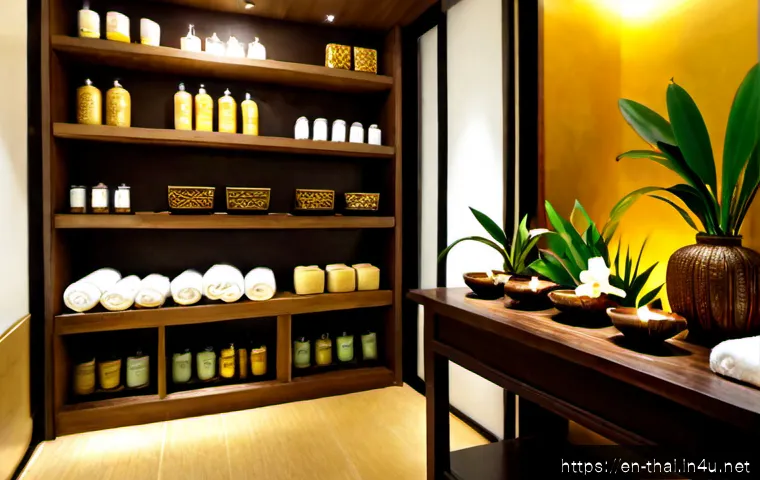
Wellness travel is not limited to a single type of property. A boutique hotel with a calm setting may fit one traveler, while another may prefer a villa, wellness resort, or serviced apartment with more space. The important question is whether the accommodation supports the pace you want.
Compare what is actually included in any wellness program. Spa access, treatments, meals, classes, transport, and room categories may be handled differently by each property. If privacy matters, ask about the setting and transfer access. If flexibility matters, compare the cancellation policy before committing to a longer stay.
Food-Led, Craft-Led, and Locally Guided Experiences
Cooking classes, guided food experiences, craft activities, and nature excursions can add structure without requiring a packed schedule. These experiences may be a good fit for travelers who want local context but do not want to organize every detail alone.
Before booking, review the group size, meeting point, duration, transport, meals, equipment, language support, and cancellation terms. “Included” can mean different things across operators. A tour that appears convenient may still require you to arrange a hotel pickup or pay separately for a transfer.
Rail, Ferry, and Low-Friction Domestic Transport Choices
Rail travel can connect Bangkok with several major destinations and may appeal to travelers who prefer a less airport-centered journey. However, train route speed, class, station location, and onward transport should all be checked before booking. A rail ticket is only one part of the trip if your hotel is far from the station.
Ferries are important for many island itineraries, while domestic flights can be useful when time is limited. A private transfer can be worth comparing when it removes a difficult final connection, supports luggage needs, or reduces uncertainty after a late arrival. The cheapest route is not always the best value if it involves multiple separate bookings and tight timing.
Comparison Table: Value, Comfort, Planning Effort, and Main Cost Drivers
| Option | Value | Comfort | Planning Effort | What to Check |
|---|---|---|---|---|
| Multi-night city or neighborhood stay | Strong for travelers who enjoy independent exploring | Can be high with the right location | Moderate | Hotel location, transport access, cancellation terms |
| Wellness resort or villa | Strong when downtime is the main goal | Often centered on space, privacy, and services | Lower after booking | Program inclusions, meals, transfers, property setting |
| Rail plus onward transfer | Can suit travelers who enjoy the journey itself | Varies by route and class | Moderate to high | Station access, class, journey time, final transfer |
| Flight plus private transfer | May justify the cost when time is limited | Often convenient door to door | Lower if arranged as one clear plan | Pickup details, luggage rules, waiting time, cancellation |
Where Travelers Are Looking Beyond the Standard Route
Extending Bangkok Stays for Food, Design, and Riverfront Neighborhoods
Bangkok can be more than an arrival point. A longer stay gives travelers time to explore food, design-oriented areas, riverfront neighborhoods, and different parts of the city without rushing from one attraction to another. It can also create a useful buffer before a rail journey, domestic flight, or island transfer.
For a Bangkok hotel, compare the neighborhood against your actual plans. A property may be stylish, but a location that creates repeated long journeys can affect comfort. Check nearby transport options and how easily you can reach your departure point on the next leg.
Northern Nature and Cultural Itineraries with Flexible Pacing
Northern areas can suit travelers who want mountain scenery, cultural activities, food, and guided nature experiences. Flexible pacing is helpful here because guided excursions, local transport, and weather can shape the day. Rather than scheduling every hour, allow time for a relaxed morning, a food-focused afternoon, or a day without a major transfer.
When booking nature activities, do not assume that a description answers every practical question. Confirm transport, walking expectations, group size, meals, equipment, and cancellation conditions. If responsible tourism or animal welfare is important to you, review the operator’s actual practices rather than relying only on labels.
Choosing Islands and Coastal Areas by Season, Atmosphere, and Transfer Time
Thailand’s coasts should not be treated as one weather zone. The Gulf coast and Andaman coast can have different peak travel conditions and demand patterns. This affects hotel availability, ferry planning, and the overall type of beach break you may want.
Start with your travel season, then compare the atmosphere you prefer: a quiet resort setting, a social beach area, a villa stay, or a base for island trips. Finally, calculate the transfer chain from airport or rail station to pier, ferry, and hotel. An island hotel can look close on a map while still requiring several steps to reach.
Smaller-Town Stays: When They Add Value and When They Complicate Logistics
Smaller towns can add a calmer pace, local food, and a more grounded stay between major destinations. They can be especially appealing for travelers who do not need nightlife or a large choice of organized tours every day. Guesthouses and smaller boutique hotels may also feel more personal than a large resort.
The practical downside is logistics. Transport may be less direct, and the range of services may be more limited. A smaller-town stay makes sense when you are comfortable with a quieter base and have checked how you will arrive, depart, and get around locally.
Booking Decisions That Affect Cost, Comfort, and Flexibility
Boutique Hotel, Villa, Resort, or Serviced Apartment: What to Compare
A boutique hotel may suit travelers who want character and a central base. A villa may fit travelers prioritizing privacy or shared space. A resort can work well for a beach or wellness-focused stay, while a serviced apartment may be practical for longer city stays.
Compare room size, bedding setup, location, access, meal options, laundry needs, hotel facilities, and cancellation rules. Also check whether the property is easy to reach with standard transport or whether a private transfer is more realistic.

When a Private Transfer Is Worth More Than the Cheapest Route
A private transfer may add value when the alternative includes several changes, uncertain pickup points, bulky luggage, or a late arrival. It can also simplify the trip between an airport, ferry pier, rail station, and accommodation. This does not mean it is always necessary; travelers with flexible schedules may prefer shared or public options.
Before booking, confirm pickup location, destination coverage, vehicle capacity, luggage allowance, waiting policy, and cancellation terms. A clear private-transfer booking can be easier to compare than a series of separate local connections.
Comparing Tours by Group Size, Inclusions, Timing, and Cancellation Terms
Island trips, cooking classes, and guided nature excursions often look similar at first glance. The useful comparison is not only the headline activity. Check whether transport, entrance arrangements, food, equipment, guide service, and hotel pickup are included.
Timing matters as well. An early start may be worthwhile for one traveler and exhausting for another. Look at the meeting point, return time, group size, and what happens if plans change. Check what transfers and tours include before deciding which option offers the better value.
Travel Insurance, eSIM Data, and Payment Planning Essentials
Travel insurance, an eSIM, and a payment plan are small booking decisions that can affect day-to-day comfort. Travel insurance terms differ, so review the policy wording for coverage, exclusions, eligibility, and any relevant activity conditions. Do not assume all policies treat every tour, delay, or itinerary change the same way.
An eSIM can help with maps, hotel communication, transfer coordination, and schedule checks. For payments, remember that the local currency is Thai baht (THB). Costs can vary by season, destination, and lead time, so leave room in your plan for changes rather than treating an early estimate as fixed.
Avoid These Common Thailand Planning Mistakes
Treating Every Coast as if It Has the Same Weather Pattern
Do not choose an island solely because it appears on a popular itinerary. Compare the Gulf and Andaman sides according to your travel dates, then verify current weather information and local conditions close to departure.
Booking Too Many One-Night Stops
One-night stays can make a trip feel productive on paper but tiring in practice. Each move brings checkout, luggage, transport, check-in, and orientation time. Keep short stays only when the destination itself is a clear priority.
Ignoring Ferry, Airport, and Hotel Transfer Timing
A domestic flight or train arrival does not guarantee a smooth final connection. Check ferry schedules, station access, hotel transfer options, and realistic time between steps. Avoid building an itinerary around an overly tight connection.
Assuming “Eco-Friendly” or “Ethical” Claims Without Checking Practices
Responsible tourism claims should be reviewed, not assumed. Look for clear details about practices, activity format, local involvement, animal welfare where relevant, and what your booking actually supports.
Forgetting Temple Etiquette and Local Cultural Expectations
Temple visits may involve expectations around dress, footwear, and respectful behavior. Pack and plan accordingly, especially if temples are part of a city day or guided cultural itinerary. A little preparation helps avoid awkward surprises at the entrance.
Selection Criteria and Comparison Summary
Best Fit for First-Time Visitors Seeking Convenience
A first trip can work well with a small number of bases, a centrally located Thailand hotel, and pre-checked transfers for the longest travel days. Add guided tours where they reduce uncertainty, but leave open time for food and neighborhood exploration.
Best Fit for Travelers Prioritizing Wellness and Downtime
Choose one accommodation that supports rest instead of splitting the trip across many properties. Compare boutique hotels, villas, and wellness resorts based on privacy, program inclusions, meal options, and transfer simplicity.
Best Fit for Food, Culture, and Local-Guided Experiences
Give Bangkok or a northern cultural base enough time to explore without rushing. Book only the experiences that add useful context, and compare group size, meeting location, and included transport before paying for a tour.
Best Fit for Budget-Conscious Travelers Who Still Value Flexibility
Guesthouses, hostels, and serviced apartments can be useful choices depending on location and trip length. Prioritize clear cancellation terms and reduce unnecessary transport moves. A lower room rate can lose value if it creates expensive or difficult daily connections.
Final Booking Checklist: Location, Transport, Cancellation, Inclusions, and Seasonal Fit
Check these points before confirming: Does the location match your daily plans? Is the final transfer to the hotel clear? Are cancellation terms acceptable? What exactly is included in your tour, wellness package, or private transfer? Does the chosen coast fit the expected seasonal conditions for your dates? Compare hotel cancellation terms and review transfer and tour details on the relevant booking page before you commit.
In Closing
Thailand’s newer travel preferences are less about chasing every destination and more about making each stop work well. A thoughtful mix of city, nature, coast, and local experiences can feel richer when transport days are limited. Build your itinerary around the pace you can genuinely enjoy, then choose accommodation and tours that support it. The most useful booking is not automatically the cheapest or most luxurious one; it is the one with the clearest fit.
Useful Things to Know
1. Thailand uses Thai baht (THB), and pricing can change with destination, season, and booking lead time.
2. Rail travel may require separate planning for station access and onward transport.
3. Ferry-based island trips need realistic timing between airport, pier, boat, and hotel.
4. Temple visits may require suitable dress, footwear awareness, and respectful behavior.
Important Notes
Current entry requirements, transport schedules, weather conditions, local restrictions, safety notices, and exact prices should be checked through current official or provider information before booking. Travel trends can vary by season and destination. Responsible tourism, sustainability, accessibility, and animal welfare practices also require direct verification with the specific operator or accommodation provider.
Frequently Asked Questions
Q1. Is slow travel in Thailand more expensive than visiting several destinations quickly?
A1. Not necessarily. A slower trip may reduce the number of flights, ferries, transfers, and one-night hotel stays, but total cost depends on accommodation type, season, destination, and booking lead time. Compare the full transport chain and cancellation flexibility, not only the nightly room rate.
Q2. Which Thailand accommodation type is best for a wellness-focused trip?
A2. The best fit depends on your priorities. A wellness resort may suit travelers looking for structured treatments or programs, while a boutique hotel or villa may be better for privacy and a flexible schedule. Check the setting, included services, meals, transfers, and cancellation terms before booking.
Q3. Are trains and ferries a good alternative to domestic flights in Thailand?
A3. They can be, especially for travelers who prefer a slower journey or want to avoid additional airport time. However, check route speed, train class, station location, ferry schedules, and onward transport to your hotel. For limited time or difficult final connections, a domestic flight or private transfer may offer better overall convenience.