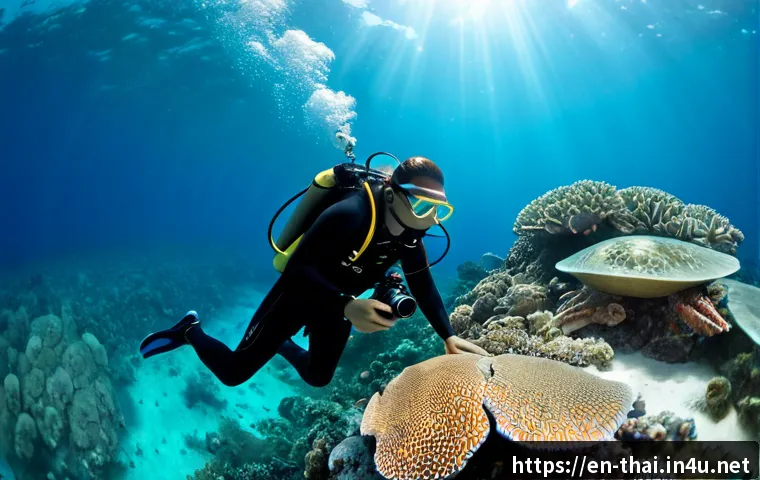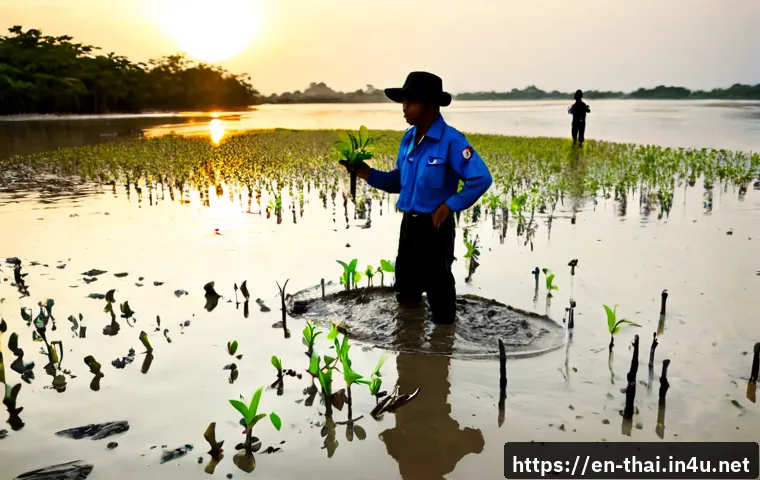
Thailand’s conservation efforts are best supported when visitors follow park rules, avoid wildlife-contact attractions, and choose operators that are transparent about local benefits and environmental practices.
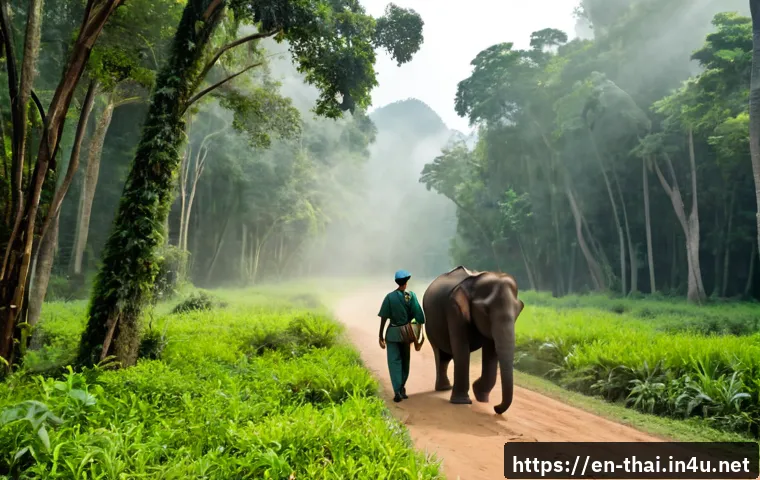
Paying for a qualified local nature guide can add value when it improves safety, reduces disturbance, and helps travelers understand site-specific rules.
Thailand protects forests, wildlife, wetlands, and coastal ecosystems through protected areas, conservation frameworks, community forestry, and visitor controls.
National parks can be a practical starting point, while community-based experiences may connect tourism spending more directly with local livelihoods.
For marine and wildlife trips, responsible choices matter more than eco-friendly marketing language. Always confirm current access rules, closures, permits, and operator standards before booking.
At a Glance
- Choose protected-area visits and low-impact activities that follow local rules, seasonal closures, and wildlife-distance requirements.
- Paying for a local guide can be worthwhile when the guide provides clear safety, conservation, and small-group practices.
- Verify before booking: tour claims, animal-welfare standards, permits, and accommodation policies can vary widely.
| Travel option | Potential conservation value | What to check before choosing |
|---|---|---|
| Self-guided national park visit | Can support protected-area access while giving visitors direct exposure to park rules and habitats. | Current entrance requirements, trail access, weather, closures, transport, and permitted activities. |
| Small-group nature guide | May improve safety, interpretation, wildlife viewing etiquette, and compliance with local restrictions. | Group size, guide credentials where relevant, wildlife-distance rules, route, and waste policy. |
| Community-based tourism | May link visitor spending with local livelihoods and forest stewardship. | Who operates the experience, how local residents participate, and whether activities respect natural limits. |
| Wildlife attraction or animal-contact activity | Conservation value is uncertain and should not be assumed from labels such as “sanctuary” or “eco.” | Animal contact, feeding, handling, performance activities, transparent welfare practices, and visitor controls. |
How Thailand Protects Forests, Wildlife, Wetlands, and Coasts
Thailand’s conservation approach includes protected areas, wildlife protection, wetland conservation, community forestry, and management of sensitive coastal destinations. The country’s Department of National Parks, Wildlife and Plant Conservation manages many national parks, wildlife sanctuaries, and other protected areas. For travelers, the practical lesson is simple: a nature visit is not only about where you go, but also about whether you follow the rules designed to reduce pressure on that place.
The role of national parks, wildlife sanctuaries, and marine protected areas
National parks are among the most visible parts of Thailand’s conservation system. Khao Yai National Park, established in 1962, is widely recognized as Thailand’s first national park. The Dong Phayayen–Khao Yai Forest Complex is a UNESCO World Heritage site, while the Kaeng Krachan Forest Complex joined the UNESCO World Heritage List in 2021.
Protected areas can cover forest, watershed, wildlife, coast, and island environments. In marine settings, management can include seasonal closures, protected zones, and visitor-management rules. These measures may feel inconvenient when they change an itinerary, but they are often the reason a sensitive area remains visitable at all.
Why enforcement, local livelihoods, and visitor behavior all matter
Conservation outcomes differ by location. Funding, enforcement capacity, local participation, and visitor behavior all affect what happens on the ground. Community forestry is important in some Thai conservation efforts because it connects forest stewardship with local livelihoods rather than treating conservation as separate from everyday economic needs.
Thailand is also a party to CITES, the international agreement addressing trade in endangered wild fauna and flora, and it has wetlands designated under the Ramsar Convention. These frameworks matter, but visitor choices still matter at the local level. Do not buy wildlife products, do not assume a photo opportunity is ethical, and do not treat protected habitats as open-access recreation spaces.
Which Conservation Travel Options Create the Most Value?
The highest-value choice is usually the one that fits the site’s conservation limits while delivering a useful local service. A low-cost trip is not automatically low impact, and a premium eco-tour is not automatically responsible. Look for clear operating practices rather than broad promises.
Comparing park entry, guided nature walks, community tourism, and marine excursions
A self-guided park visit can be a good fit for travelers who are comfortable reading rules, checking conditions, and staying on approved routes. A guided nature walk may be a better choice where terrain, wildlife etiquette, or local regulations need explanation. Community tourism can be meaningful when local people have a visible role in hosting, guiding, transport, or food services.
Marine excursions require extra care. Ask whether the route respects protected zones and closures, whether guests are briefed on reef-safe behavior, and whether the operator limits crowding around wildlife or coral. A tour that promises guaranteed animal encounters should be approached cautiously; wildlife does not follow a timetable.
When paying more for a qualified guide or responsible operator is worthwhile
Paying more can make sense when the added cost covers a small group, knowledgeable interpretation, appropriate safety planning, local employment, and realistic wildlife-viewing rules. It can also be worthwhile when an operator clearly explains what happens if weather, access rules, or a seasonal closure changes the plan.
By contrast, a higher price alone proves very little. Ask direct questions before payment. How many people will be in the group? Is feeding prohibited? What is the waste policy? Are routes changed to respect closures? Who leads the trip, and what local knowledge do they provide?
Cost factors to compare in Thai baht before booking
Compare the full cost in Thai baht (THB), not only the advertised tour price. Consider park entry, permits if required, guide services, transport, equipment, meals, accommodation, and cancellation terms. For a nature-focused stay, also compare whether transport is shared, whether refill water is available, and whether the property provides practical guidance on local rules.
Do not rely on old price lists. Entrance fees, permit conditions, activity restrictions, and seasonal access can change by site. Check official park information and the provider’s current terms before committing to a booking.
Conservation Efforts Visitors Can See on the Ground
Forest and watershed protection
Forest protection is often visible through trail boundaries, restricted zones, ranger instructions, and limits on where visitors can walk or drive. These controls can protect vegetation, water sources, and wildlife habitat. Staying on designated paths is a simple action, but it helps avoid erosion, disturbance, and informal trail expansion.
Wildlife monitoring and human–wildlife conflict reduction
Wildlife conservation involves more than spotting animals. It can include monitoring, habitat protection, and efforts to reduce conflict between people and wildlife. Visitors should support these goals by keeping distance, avoiding flash or noise, and never feeding animals. Food-conditioned wildlife can create risks for both animals and people.
Coral reefs, seagrass, beaches, and seasonal marine protections
Coastal and island ecosystems can be especially vulnerable to heavy visitor use. Seasonal marine protections, restricted zones, and visitor-management rules may apply in sensitive areas. For snorkeling or diving, follow the briefing, keep fins and equipment away from coral, and avoid touching marine life. A responsible boat trip should treat a closed area as off limits, not as a problem to work around.
Avoidable Mistakes When Visiting Nature Areas in Thailand
Wildlife-contact attractions and misleading “sanctuary” claims
Words such as “ethical,” “rescue,” “sanctuary,” and “eco” are not proof of good practice. Be cautious if an experience centers on touching, bathing, riding, holding, or feeding animals. Ask what contact is allowed, why it is allowed, and whether the activity is designed around animal needs rather than visitor entertainment.

Feeding animals, drones, litter, noise, and off-trail access
Feeding wildlife, flying drones without permission, leaving litter, making excessive noise, or leaving marked trails can disrupt habitats. These are not minor etiquette issues. They can undermine the visitor-management rules that conservation areas depend on. Carry out waste, keep voices low, and follow instructions from park staff and guides.
Checking closures, weather risks, permits, and park rules
Never assume a route, beach, trail, or dive site is open because it appeared in an older travel guide or social post. Closures, weather risks, permits, and activity restrictions must be checked close to departure. This is particularly important for islands, marine trips, and remote nature areas where conditions can change quickly.
Travel Choices by Situation: Families, Independent Visitors, and Diving Trips
Low-impact options for first-time visitors
For first-time visitors, a straightforward national park visit, a short guided nature walk, or a community-led local activity may be easier to assess than a heavily marketed wildlife attraction. Choose activities with clear rules, manageable travel logistics, and no pressure to interact with animals. Families may prefer shorter routes and operators that explain safety and behavior expectations before the activity begins.
When a small-group guide is a better choice than a large tour
A small-group guide can be a better fit when you need help understanding wildlife-distance rules, trail conditions, local transport, or marine safety. Smaller groups may also make it easier to move quietly and follow instructions. Still, confirm the actual group limit rather than trusting a general “small group” label.
What to ask dive, snorkel, and island-tour operators
Ask whether the itinerary changes for seasonal closures or weather, how the operator prevents contact with coral and marine life, and whether guests receive a clear environmental briefing. Also ask about waste handling, group size, safety procedures, and whether the crew follows protected-zone rules. For travel insurance, review whether the policy matches the activities you plan to do and read its exclusions carefully.
Choosing a Responsible Thailand Nature Experience: Comparison Summary
Booking checklist for tours, stays, and transport
Before booking, check these points: current permits or access rules; realistic group size; wildlife-distance and no-feeding policies; waste and refill-water practices; local employment or community participation; and safety planning for weather or changed conditions. For eco-lodges and sustainable accommodation, ask how they handle waste, water use, guest transport, and wildlife interactions rather than relying on green branding alone.
Signs that visitor spending may benefit local conservation
Positive signs include clear compliance with park rules, transparent local guiding or hosting, honest explanations of restrictions, and activities that do not depend on animal contact. An operator does not need to promise perfect outcomes. It should be able to explain what it does, what it avoids, and what visitors are expected to do.
Red flags that justify choosing another provider
Choose another provider if it dismisses seasonal closures, promotes feeding or handling wildlife, cannot explain basic safety practices, encourages off-trail access, or makes vague conservation claims without describing actual visitor rules. When comparing responsible tour operators, eco-lodges, transport, and travel insurance, review the detailed conditions on the relevant booking or policy page before you pay.
Conclusion
Thailand offers meaningful ways to experience forests, wetlands, wildlife, and coastal habitats without treating conservation as a marketing theme. Protected-area rules, community participation, and careful visitor management all have a role. The most responsible travel choice is usually the one that accepts limits: no guaranteed sightings, no animal contact, no access during closures, and no shortcuts around local rules. A thoughtful booking decision can make your trip safer, calmer, and more aligned with the places you came to see.
Useful Things to Know
1. Khao Yai National Park is widely recognized as Thailand’s first national park, established in 1962.
2. The Dong Phayayen–Khao Yai Forest Complex and Kaeng Krachan Forest Complex are UNESCO World Heritage sites.
3. Thailand uses tools such as protected areas, community forestry, CITES participation, Ramsar wetland designations, and marine visitor controls.
4. Current entry conditions and seasonal restrictions should always be checked directly before travel.
Important Notes
Conservation results are not identical across Thailand. They can depend on site conditions, funding, enforcement capacity, and community participation. Individual tour operators, hotels, and wildlife venues may make claims that require independent verification. Park fees, permits, closures, and permitted activities can change, so confirm the latest official guidance and provider terms before making travel plans.
Frequently Asked Questions
Q1. Are Thailand’s national parks a good way to support conservation?
A1. They can be a practical choice because national parks are part of Thailand’s protected-area system. Your visit is more responsible when you follow current rules, stay in approved areas, respect closures, and avoid disturbing wildlife. Check the latest access and activity conditions for the specific park.
Q2. How can I choose an ethical elephant or wildlife experience in Thailand?
A2. Do not judge by the word “sanctuary” alone. Look for a clear no-contact approach, no feeding or performance-based activities, realistic wildlife-distance rules, and transparent explanations of animal care and visitor limits. If a provider cannot answer basic questions about animal contact and welfare practices, choose another experience.
Q3. Is it worth paying more for a guided eco-tour in Thailand?
A3. It may be worth it when the higher cost supports a smaller group, useful local knowledge, appropriate safety planning, clear environmental rules, and responsible access to the area. Compare the complete cost in Thai baht, including transport, permits, equipment, and cancellation terms, rather than choosing based on headline price alone.