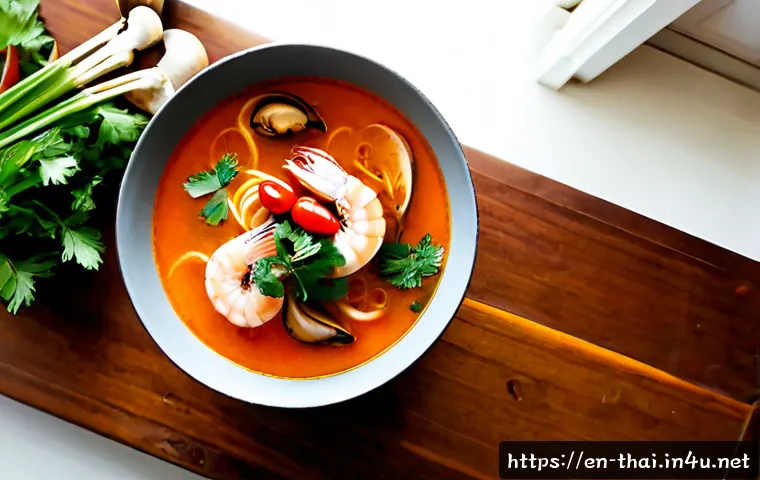
Tom Yum Goong is easiest to make well when you treat it as a balance of aromatic, sour, salty, spicy, and savory flavors rather than simply a spicy shrimp soup.
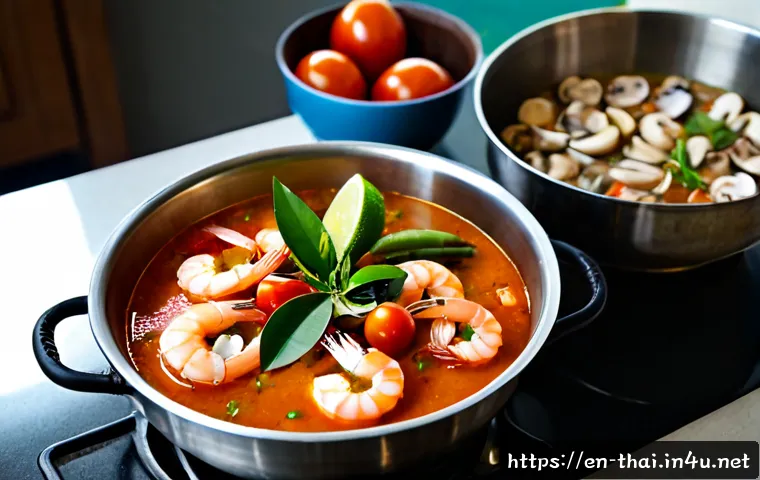
Fresh lemongrass, galangal, makrut lime leaves, shrimp, fish sauce, chiles, and lime juice create the most recognizable profile, while a few shortcuts can still make a satisfying weeknight bowl.
The main buying decision is whether you want the clearest, most aromatic result or a more convenient version built around accessible ingredients or a Thai meal kit.
Shrimp should be added near the end because it cooks quickly and can turn tough with prolonged simmering. Choose a clear or creamy style before shopping, since the creamy version may call for evaporated milk or a Thai chili paste mixture.
Specialty Thai grocery delivery can be useful when you want fresh aromatics without making an extra trip.
At a Glance
- Essential flavor base: lemongrass, galangal, makrut lime leaves, shrimp, fish sauce, chiles, and lime juice.
- Cooking approach: infuse the broth first, then add mushrooms and shrimp near the end.
- Best shortcut: use frozen aromatics or a Thai meal kit, then finish with fresh lime juice if available.
| Shopping Choice | What It Changes | Best For |
|---|---|---|
| Fresh aromatics | Provides the brightest fragrance and the most distinct layers in the broth. | Home cooks seeking a more traditional Thai-style result. |
| Frozen aromatics | Offers convenience while keeping more of the characteristic flavor than a vague all-purpose substitute. | Weeknight cooking and smaller kitchens. |
| Fresh or frozen shrimp | Both can work; the key texture decision is avoiding prolonged simmering. | Any cook who can add shrimp toward the end. |
| Store-bought stock | Creates a convenient soup base, but its saltiness can affect how much fish sauce is needed later. | Fast meals with careful final tasting. |
| Thai meal kit | Can simplify sourcing, though included ingredients and seasoning intensity vary by product. | First-time cooks comparing convenience with ingredient control. |
The Fast Answer: How to Build a Balanced Hot-and-Sour Shrimp Soup
A good Tom Yum Goong starts with a fragrant broth, then gets its character from a final balance of lime juice, fish sauce, chiles, and shrimp. There is no need to chase one universal definition of authenticity: regional, household, and restaurant styles vary. What matters most is giving each flavor layer a clear role and tasting before making final adjustments.
Essential Flavor Layers: Aromatic, Sour, Salty, Spicy, and Savory
The aromatic layer comes from lemongrass, galangal, and makrut lime leaves. These ingredients perfume the broth rather than disappear into it. Thai chiles provide heat, lime juice adds bright acidity, and fish sauce contributes saltiness with savory depth. Mushrooms are a frequent addition and help turn the broth into a more substantial bowl.
Think of the soup as a series of checks. Is the broth fragrant before you season it? Is it sour without being harsh? Is it salty without tasting dominated by fish sauce? Is the chile heat comfortable for the people eating it? This tasting approach is more dependable than adding everything at once.
A Simple Cooking Sequence for Tender Shrimp and Clear Broth
Begin by heating your stock or broth with the aromatics so they can release their fragrance. Add mushrooms after the broth smells distinctly herbal and citrusy. Season gradually with fish sauce and chiles, then add shrimp only near the end. Finish with lime juice after the heat is off or reduced, rather than boiling it for a long time.
This order protects the soup’s clearest flavors. It also prevents the most common texture problem: shrimp that stays in simmering broth long enough to become tough.
Top Summary: What to Buy, What to Prep, and What to Add Last
Buy first: shrimp, lemongrass, galangal, makrut lime leaves, mushrooms, fish sauce, limes, and chiles. Prep first: the aromatics and mushrooms, so the broth can be built calmly. Add last: shrimp and lime juice. If specialty ingredients are difficult to locate, compare frozen aromatic packs, Thai grocery delivery options, and meal-kit ingredient lists before choosing a shortcut.
Ingredients That Matter Most—and Which Substitutions Work
The most useful shopping strategy is to protect the ingredients that define Tom Yum Goong’s aroma, then simplify where convenience matters more. Not every substitute gives the same result, but a practical version can still be enjoyable when you understand what changes.
Lemongrass, Galangal, and Lime Leaves: Fresh, Frozen, Dried, or Paste
Fresh aromatics are worth seeking out when this soup is the main event. Lemongrass, galangal, and makrut lime leaves each bring a different fragrant note, so using them together gives the broth more dimension. Frozen versions can be a sensible alternative when fresh ingredients are unavailable or when you do not cook Thai food often enough to use a larger package quickly.
Dried products and prepared pastes may be convenient, but their flavor and strength can vary. Read the package details, especially for ingredient bundles or soup bases, because the contents may not match what you expected. A paste can help with convenience, but it does not automatically replace the fresh aroma of whole ingredients.
Choosing Shrimp: Fresh Versus Frozen, Shell-On Versus Peeled
Both fresh and frozen shrimp can suit this soup. The better choice depends on what looks well handled, what fits your schedule, and how much prep you want. Frozen shrimp can be especially practical because it allows you to cook only the amount you need. Fresh shrimp may appeal when it is readily available and you plan to use it promptly.
Shell-on and peeled shrimp are also a preference decision. Shell-on shrimp can involve more work at the table, while peeled shrimp is easier to eat in a soup bowl. Whichever type you buy, the key is simple: do not leave it simmering for too long.
Clear Broth or Creamy Broth: Taste, Effort, and Ingredient Cost Considerations
A clear Tom Yum highlights the sharp, aromatic contrast of lime, chiles, fish sauce, and herbs. It is the better choice when you want the fragrance of the broth to stay front and center. A creamy version may include evaporated milk or a Thai chili paste mixture, depending on the style. That can create a rounder, richer bowl, but it adds another product to compare and may change the brightness of the finished soup.
Choose clear broth if you want fewer moving parts and a lighter-feeling finish. Choose creamy broth if you prefer a fuller texture and do not mind checking the ingredients in evaporated milk or chili paste. Product prices, package sizes, and availability vary by retailer, so compare the actual bundle contents rather than assuming one route is always better value.
Step-by-Step Method for a Fragrant Weeknight Bowl
This method keeps the process straightforward: build fragrance first, layer in seasoning, and protect the shrimp and lime juice until the end. Use a soup pot large enough to stir without splashing, but there is no need for specialized cookware if your current pot heats evenly.
Infusing the Broth Without Making It Bitter
Add lemongrass, galangal, and makrut lime leaves to the broth and let their flavor infuse before you add the more delicate finishing ingredients. Keep the goal in mind: fragrant and clean, not aggressively boiled. If the aromatics are pushed too hard for too long, the broth can lose some of its fresh appeal.
A pot with a secure handle and enough room for broth, mushrooms, and shrimp can make the process easier. When comparing soup pots, prioritize a practical size, stable handling, and a shape that lets you stir and taste comfortably.
Adding Mushrooms, Shrimp, Fish Sauce, and Chile at the Right Time
Add mushrooms once the aromatic broth is underway. Then use fish sauce and chiles gradually. Fish sauce is powerful, and stock or meal-kit seasoning may already contain salt, so avoid committing to a heavy amount early. Taste the broth after each adjustment.
Add the shrimp close to serving time. When shrimp cook quickly, they stay more tender than shrimp left to simmer while you continue adjusting the broth. If you are making multiple bowls with different spice preferences, keep some chile separate so each person can control the heat.
Finishing With Lime Juice and Herbs
Finish with lime juice at the end. This preserves the bright sour note that defines the soup. Taste again after adding it, because acidity can change how salty and spicy the broth seems. Herbs can be used as a final fresh element if you have them, but the central flavor structure still comes from the aromatic broth, fish sauce, chiles, and lime.
Common Mistakes That Change the Flavor or Texture
Tom Yum Goong does not require complicated technique, but timing matters. Most disappointing bowls come from a few small decisions: overcooking shrimp, adding lime too early, or trying to correct every flavor with more fish sauce.
Why Overboiling Shrimp Creates a Rubbery Texture
Shrimp cook quickly. If they remain in simmering soup too long, they can become tough and rubbery. The easiest safeguard is to prepare the broth, mushrooms, and seasonings first, then add shrimp only when the soup is nearly ready to serve.

How to Correct Broth That Is Too Sour, Salty, Spicy, or Flat
If the soup is too sour, avoid immediately adding more fish sauce; first consider whether the broth needs more savory depth or a softer balance. If it is too salty, pause before adding any more fish sauce and review whether the stock, meal kit, or chili paste already contributed seasoning. If it is too spicy, do not add more chiles, and consider serving the soup with a less spicy portion of broth if possible.
If the flavor seems flat, identify the missing category instead of adding everything. It may need more aromatic character, a small amount of lime juice, a little fish sauce, or a controlled touch of chile. Taste after each change so one correction does not create another problem.
Food-Safety Considerations for Shrimp Storage and Cooking
Follow the storage and preparation guidance provided with the shrimp you purchase. Keep seafood handling separate from ready-to-eat ingredients where appropriate, and use the product’s package instructions for storage and cooking information. Frozen shrimp, fresh shrimp, prepared stock, and meal kits can all have different handling requirements, so check the label rather than relying on a general rule.
Adapt the Soup for Your Kitchen and Dietary Needs
A flexible approach can make Tom Yum-style soup realistic on a busy evening. Still, substitutions can change the flavor, and dietary suitability depends on the specific stock, fish sauce, chili paste, seafood, and other products selected.
Weeknight Shortcut Version Using Accessible Grocery-Store Ingredients
For a faster approach, use a convenient stock, mushrooms, shrimp, lime, and chile, then look for frozen aromatics or a prepared Thai soup kit. This route is useful when a specialty market is not nearby. Check the kit’s ingredient list before buying, especially if you are comparing it with individual aromatics, because the balance and included seasonings differ by product.
A shortcut works best when you still reserve lime juice for the finish and avoid overcooking the shrimp. Those two steps preserve much of the soup’s character even when sourcing is simplified.
Creamy Restaurant-Style Variation and Its Trade-Offs
A creamy variation can use evaporated milk or a Thai chili paste mixture, depending on the style you want. The appeal is a richer, smoother broth. The trade-off is that the sharper aromatic contrast may become less prominent, and you may need to compare more labels when shopping for prepared chili pastes or dairy products.
For a clear decision, ask one question before you buy: do you want a bright, clean hot-and-sour broth, or a richer bowl with a softer texture? Neither choice is automatically more authentic because styles vary.
Vegetarian-Inspired Alternatives Without Claiming an Identical Flavor
You can build a vegetarian-inspired hot-and-sour mushroom soup by focusing on aromatic ingredients, mushrooms, chiles, lime, and a suitable savory seasoning. However, it should not be presented as identical to shrimp-based Tom Yum Goong. Fish sauce and shrimp contribute distinctive savory qualities, and product labels should be checked carefully for dietary compatibility.
Selection Criteria and Comparison Summary Before You Shop
Before buying, use these checks: freshness and availability of aromatics, shrimp format and required prep, salt level in stock or meal kits, clear versus creamy preference, and the capacity of your soup pot. A specialty Thai grocery trip or delivery order is most worthwhile when you want fresh lemongrass, galangal, and makrut lime leaves to be the heart of the dish. For a lower-effort meal, frozen aromatics or a clearly labeled ingredient bundle may be the more practical choice.
If you are comparing Thai grocery delivery, soup pots, or ingredient bundles, check the product page for the included ingredients, package details, handling guidance, and any dietary information before placing an order.
When Specialty Thai Ingredients Are Worth the Extra Trip or Delivery Fee
Specialty sourcing is most useful when you want the soup’s aromatic layer to taste distinct rather than generalized. It can also make sense when you plan to cook other Thai dishes and can use the ingredients again. If this is a one-time weeknight dinner, frozen products or a meal kit may offer a better balance of convenience and waste reduction.
A Practical Buying Checklist for Pantry Staples, Seafood, and Cookware
Look for lemongrass, galangal, makrut lime leaves, shrimp, mushrooms, fish sauce, chiles, limes, and your chosen broth. For a creamy variation, add evaporated milk or a suitable Thai chili paste mixture. Choose cookware that gives you room to stir and taste safely; an expensive pot is not required for a fragrant broth.
Best Choice by Budget, Available Time, and Desired Authenticity Level
Choose individual fresh aromatics when flavor detail is your priority. Choose frozen aromatics when convenience and reduced prep matter. Choose a meal kit when you want a guided ingredient route, while remembering that contents vary. Choose a simple soup pot you already own when it is stable, practical, and large enough for the batch you intend to make.
Closing Thoughts
Tom Yum Goong rewards careful tasting more than complicated cooking. Start with fragrant aromatics, season in stages, and protect the shrimp from extended simmering. Decide on clear or creamy broth before shopping so your ingredient list stays focused. Even a shortcut version benefits from adding lime juice at the end and adjusting fish sauce gradually.
Useful Things to Know
1. Lime juice is best treated as a finishing ingredient rather than something to boil for a long time.
2. Fish sauce adds both saltiness and savory depth, so use it in stages.
3. Mushrooms are a frequent addition and work well with both clear and creamy versions.
4. Freshness, pack size, and availability of Thai ingredients differ by location and retailer.
Important Notes
Tom Yum Goong styles vary by region, household, and restaurant, so there is no single fixed standard for every bowl. Ingredient availability and product contents should be verified locally. Dietary suitability depends on the specific stock, fish sauce, chili paste, seafood, and other packaged ingredients you select. Always follow package guidance for shrimp storage and preparation.
Frequently Asked Questions
Q1. What are the most important ingredients to buy for an authentic-tasting Tom Yum Goong?
A1. Prioritize lemongrass, galangal, makrut lime leaves, shrimp, fish sauce, chiles, and lime juice. These ingredients create the key aromatic, sour, salty, spicy, and savory layers. Mushrooms are also a common addition.
Q2. Is it worth buying galangal and makrut lime leaves, or can I use common substitutions?
A2. They are worth sourcing when you want the broth to have a more distinct Thai-style aroma. Frozen versions can be a practical option when fresh products are not available. Dried products and pastes can be convenient, but their flavor and ingredient balance vary, so check the package before relying on them.
Q3. Should I choose fresh or frozen shrimp for this soup?
A3. Either can work. Choose based on availability, storage needs, and how much preparation you want. The most important cooking point is adding shrimp near the end, because prolonged simmering can make it tough.