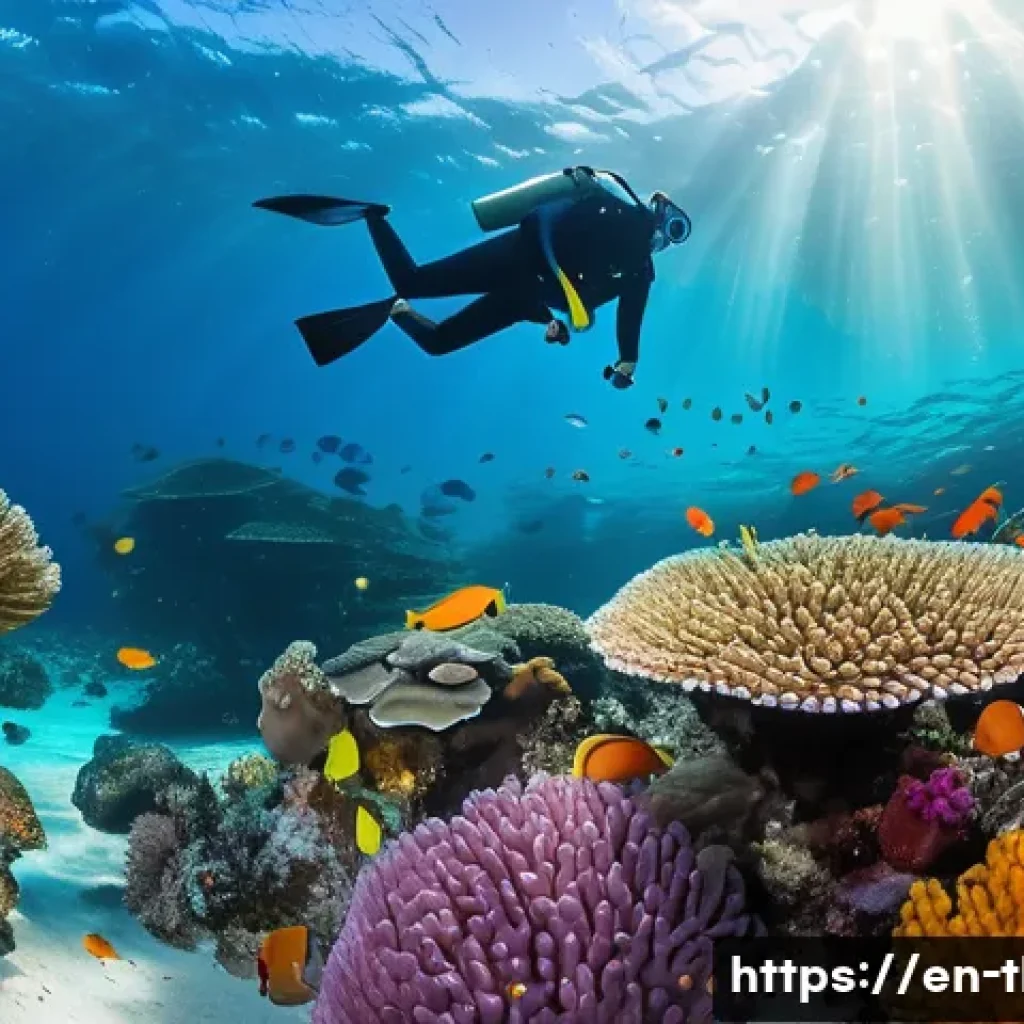
Imagine plunging into crystal-clear waters surrounded by vibrant coral reefs and exotic marine life—all while learning to dive in one of the world’s most stunning tropical paradises.
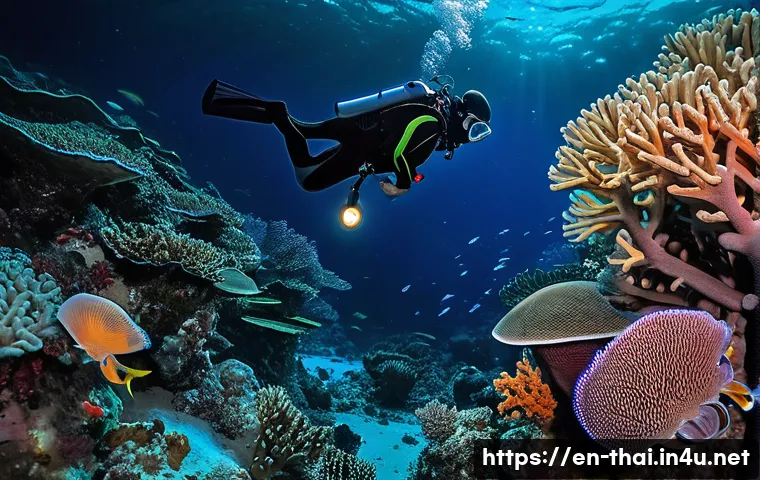
Thailand offers an unbeatable combination of warm seas, affordable courses, and experienced instructors that make it a top choice for beginners and seasoned divers alike.
Whether you’re looking to get your Open Water certification or just want to explore underwater wonders, the diverse dive spots and welcoming atmosphere will make your experience unforgettable.
Plus, with the latest safety standards and eco-friendly diving practices gaining momentum, now’s the perfect time to start. Ready to take the plunge? Let’s dive into the details below!
Choosing the Ideal Dive Location in Thailand
Phuket: The Gateway to Diving Adventures
Phuket is often the first stop for many divers eager to explore Thailand’s underwater beauty. What I found most appealing about Phuket is its accessibility combined with a wide range of dive sites suitable for all skill levels.
From shallow reefs perfect for beginners to deeper, more challenging spots for advanced divers, Phuket caters to everyone. The vibrant coral gardens and abundant marine life, including colorful tropical fish and occasional reef sharks, make each dive truly memorable.
Plus, the town itself offers plenty of amenities and a lively nightlife, which means you can relax and socialize after a day in the water. The dive schools here are well-established, with instructors who prioritize safety and personalized attention, making it a great place to get certified or simply brush up on your skills.
Koh Tao: The Budget-Friendly Diver’s Paradise
If you’re looking for affordability without compromising quality, Koh Tao is a standout choice. I’ve personally taken my Open Water course here, and the experience was fantastic.
The island’s smaller size creates a cozy, friendly vibe that’s perfect for meeting fellow divers. The water is crystal-clear, and the coral reefs around Koh Tao are teeming with life, including turtles and vibrant anemones.
Many dive centers offer packages that include accommodation and meals, which really helps keep costs down. The instructors are passionate and approachable, often sharing insider tips on the best local dive spots.
It’s also worth noting that Koh Tao has been proactive in promoting eco-friendly diving, so you can feel good about your underwater adventures contributing to conservation efforts.
Similan Islands: For the Experienced and Adventurous
The Similan Islands are a bit more remote, but they offer some of the most breathtaking dive sites in Thailand. When I joined a liveaboard trip here, I was blown away by the diversity of marine life—from massive manta rays to schools of barracuda swirling through crystal-clear waters.
The visibility is often outstanding, making it easier to spot the incredible underwater scenery. However, because of stronger currents and deeper waters, this area is better suited for divers with some experience.
The Similans are a protected national park, which means the natural environment is well-preserved, and the dive operators adhere strictly to sustainable practices.
It’s the perfect place to take your diving to the next level and witness Thailand’s underwater wonders in their purest form.
Understanding Thailand’s Dive Certification Process
Open Water Certification: What to Expect
Starting your dive certification in Thailand is straightforward and beginner-friendly. From my experience, the Open Water course typically spans 3 to 4 days, combining theory lessons, confined water training, and open water dives.
The instructors are very patient and make the learning process enjoyable, often sharing personal anecdotes that make complex concepts easier to grasp.
Most dive schools provide all necessary equipment, which means you don’t have to worry about bringing your own gear. The warm tropical waters allow for comfortable training sessions, and the calm sea conditions around popular dive spots help build confidence quickly.
After completing your course, you’ll receive an internationally recognized certification that opens doors to dive worldwide.
Advanced and Specialty Courses
Once you have your Open Water certification, Thailand offers numerous ways to enhance your diving skills. I opted for an Advanced Open Water course during a second visit, and it was eye-opening.
This course introduces you to deeper dives, underwater navigation, and night diving, broadening your experience and comfort underwater. Specialty courses such as wreck diving, underwater photography, and rescue diving are also widely available.
Many dive centers have expert instructors with years of experience, ensuring that training is both safe and engaging. These courses not only improve your technical skills but also deepen your appreciation for marine ecosystems.
Safety Standards and Regulations in Thailand
Thailand’s dive industry places a strong emphasis on safety, which I’ve personally observed during every course and dive trip. Most dive schools follow international safety protocols, including equipment checks, emergency preparedness, and dive planning.
Instructors are certified by leading organizations such as PADI or SSI, and they continually update their skills. Additionally, many operators have adopted eco-conscious practices like limiting group sizes and educating divers on responsible behavior to protect coral reefs and marine life.
This focus on safety and sustainability creates a reassuring environment where divers can fully enjoy their underwater adventures without worry.
Essential Gear and Equipment Tips for Diving in Thailand
What to Bring and What to Rent
When preparing for a diving trip in Thailand, it’s important to balance convenience with comfort. From my trips, I recommend bringing personal items like a mask and snorkel if you have them, as fit and comfort are crucial underwater.
However, renting gear such as wetsuits, fins, and tanks on-site is often more practical, especially since tropical waters typically don’t require thick wetsuits.
Dive centers usually maintain their equipment meticulously, so you can trust the quality. Packing a dive computer or underwater camera can enhance your experience, but these are optional based on your preferences and budget.
Remember to bring reef-safe sunscreen to protect both your skin and the marine environment.
Dealing with Tropical Conditions
Thailand’s warm and humid climate affects gear choices and dive planning. I’ve found that lightweight, quick-drying clothing works best for surface intervals.
Staying hydrated is crucial since heat and sun exposure can be intense. Also, saltwater can accelerate gear wear, so rinsing equipment with fresh water immediately after diving helps prolong its life.
Many divers I’ve met recommend carrying a small repair kit for masks or regulators, just in case. Being prepared for sudden weather changes, especially during the monsoon season, is also wise.
Overall, packing smartly ensures your dive trip runs smoothly and comfortably.
Comparing Equipment Rental Prices
| Equipment | Rental Cost (per day) | Notes |
|---|---|---|
| Mask & Snorkel | $5 – $8 | Bring your own for better fit |
| Fins | $6 – $10 | Varies by size and type |
| Wetsuit (3mm) | $8 – $12 | Usually sufficient for Thai waters |
| Dive Computer | $15 – $20 | Recommended for advanced divers |
| BCD & Regulator Set | $20 – $30 | Usually included in course fees |
Marine Life You’re Likely to Encounter
Colorful Reef Fish and Coral Gardens
One of the highlights of diving in Thailand is the chance to swim among vibrant coral reefs teeming with life. From my dives, I’ve encountered an array of reef fish like clownfish, angelfish, and parrotfish darting between corals.
The coral gardens here are incredibly diverse, with hard and soft corals creating a kaleidoscope of colors and shapes. These underwater landscapes offer countless photo opportunities and moments of awe.
Observing the delicate balance of this ecosystem firsthand really deepened my respect for marine conservation efforts underway in the region.
Encounters with Larger Marine Creatures
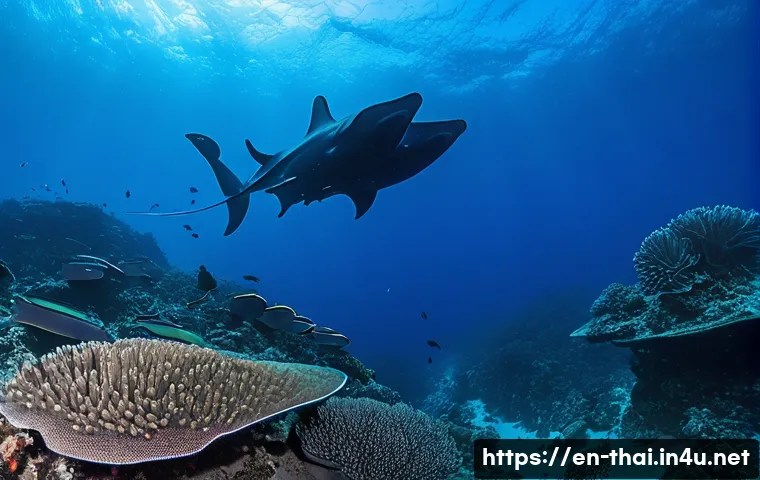
Beyond the reefs, Thailand’s waters are home to some impressive larger species. On several occasions, I’ve seen graceful sea turtles gliding by, curious reef sharks patrolling the edges of dive sites, and even manta rays soaring majestically in the currents.
These encounters are often the highlight of a dive, creating memories that last a lifetime. Dive operators typically inform divers about the best times and places to spot these creatures, emphasizing respectful observation to avoid disturbing their natural behavior.
This mindful approach makes each encounter feel special and sustainable.
Night Diving: A Different World Beneath the Surface
Trying night diving in Thailand was a game-changer for me. The underwater environment transforms completely once the sun sets, revealing nocturnal species and behaviors hidden during daylight.
Using a dive light, I spotted creatures like bioluminescent plankton, sleeping parrotfish, and elusive octopuses camouflaging themselves. The quiet and eerie atmosphere underwater at night creates a thrilling sense of exploration.
Many dive schools offer guided night dives, ensuring safety while providing fascinating insights into the marine ecosystem’s nighttime dynamics.
Local Dive Schools and Instructor Expertise
Finding the Right Dive School for You
Choosing a dive school in Thailand can feel overwhelming given the sheer number of options, but my advice is to focus on reviews, instructor credentials, and course structure.
I’ve always prioritized schools with certified instructors who have years of experience and a reputation for safety and personalized teaching. Visiting the school beforehand, if possible, helps you gauge the equipment quality and the general vibe.
Many schools also offer trial dives or introductory sessions, which are great ways to test the waters before committing. Remember, the right instructor can make all the difference in your learning experience and confidence underwater.
Instructor Qualifications and Teaching Styles
Thailand attracts some of the world’s best dive instructors, and from my interactions, their teaching styles vary from highly structured to more relaxed and conversational.
Some instructors use storytelling and humor to make lessons more engaging, while others focus on technical precision and thorough explanations. Both approaches can be effective depending on your learning preferences.
Most instructors emphasize hands-on practice and gradual progression to build comfort and skills safely. Additionally, many instructors are multilingual, which can be a huge help if English isn’t your first language.
Building Community and Making Friends
One unexpected benefit of learning to dive in Thailand is the vibrant community you become part of. Dive schools often foster a friendly, supportive atmosphere where students and instructors bond quickly.
I’ve met people from all over the world during my courses, and many of these connections have turned into lifelong friendships. Group dives, boat trips, and social events organized by dive centers make it easy to connect with like-minded adventurers.
This sense of community not only enhances the learning experience but also enriches your overall trip, making it more fun and rewarding.
Eco-Friendly Diving Practices in Thailand
The Rise of Sustainable Diving Initiatives
Thailand’s dive industry has increasingly embraced sustainability, something I’ve witnessed firsthand during recent visits. Many dive operators now actively participate in coral reef restoration projects, underwater cleanups, and educational campaigns to promote marine conservation.
These initiatives help protect the fragile ecosystems that attract divers from around the globe. Participating in a dive school that supports these efforts means your diving experience contributes positively to the environment, which adds a meaningful dimension to your underwater adventures.
How Divers Can Minimize Environmental Impact
As a diver, you play a crucial role in preserving the underwater world. From my experience, simple actions like maintaining buoyancy control to avoid touching corals, not chasing or harassing marine life, and using reef-safe sunscreen can make a big difference.
Many dive instructors emphasize these practices during training, encouraging responsible behavior. Additionally, choosing operators that limit dive group sizes and follow sustainable guidelines helps reduce pressure on popular sites.
By adopting these habits, you help ensure that Thailand’s dive spots remain vibrant and healthy for future generations.
Supporting Local Conservation Projects
Several dive centers in Thailand partner with local NGOs and community programs focused on marine protection. When I joined one such project, I helped plant coral fragments and participated in data collection on reef health.
These hands-on experiences deepen your connection to the ocean and provide a unique way to give back during your trip. Even if you’re not a volunteer, simply choosing eco-conscious operators supports these efforts financially.
It’s inspiring to see how tourism and conservation can work hand-in-hand to protect Thailand’s underwater treasures.
Conclusion
Exploring Thailand’s dive locations offers an unforgettable blend of vibrant marine life, stunning underwater landscapes, and welcoming communities. Whether you’re a beginner or an experienced diver, the country’s diverse options ensure a perfect fit for every adventurer. Embracing sustainable diving practices enhances both your experience and the preservation of these delicate ecosystems. With proper preparation and the right guidance, your diving journey in Thailand will be both safe and inspiring.
Useful Information to Keep in Mind
1. Always check the certification and experience level of your dive instructor to ensure a safe and enjoyable learning environment.
2. Renting gear on-site is convenient, but bringing personal items like masks or snorkels can improve comfort and fit.
3. Prioritize eco-friendly dive operators who actively participate in marine conservation efforts.
4. Be mindful of local weather patterns, especially during monsoon season, to plan dives safely and avoid cancellations.
5. Night diving offers a unique perspective on marine life, so consider adding it to your itinerary for a truly immersive experience.
Key Takeaways
Choosing the right dive location in Thailand depends on your experience level and interests, with Phuket, Koh Tao, and the Similan Islands each offering distinct advantages. Certification courses are well-structured and widely available, emphasizing safety and environmental awareness. Preparing appropriate gear, understanding local conditions, and supporting sustainable diving contribute to a fulfilling and responsible diving adventure. Finally, engaging with the local dive community enriches your trip, creating connections that last beyond the water.
Frequently Asked Questions (FAQ) 📖
Q: What is the best time of year to go diving in Thailand for beginners?
A: From my experience, the ideal time to dive in Thailand is between November and April. During these months, the seas are calm, visibility is excellent, and the weather is generally sunny and dry—perfect conditions for beginners to feel comfortable underwater.
I remember my first dive trip in February; the water was so clear, and the marine life was vibrant, making it easier to focus on learning without worrying about rough waves or poor visibility.
Q: How safe is scuba diving in Thailand, especially for someone new?
A: Safety is a top priority in Thailand’s diving community. Most dive centers follow strict international safety standards, and instructors are highly trained and patient with beginners.
When I took my Open Water course there, I was impressed by how thorough the safety briefings were and how instructors stayed close by during every dive.
Plus, modern equipment is well-maintained, and many operators emphasize eco-friendly practices, which adds an extra layer of care for both divers and the environment.
Q: Are the diving courses in Thailand affordable compared to other destinations?
A: Absolutely! One of the reasons I chose Thailand was the affordability of dive courses without compromising quality. Open Water certification packages often include equipment rental, accommodation, and even some meals, making it a great value.
Compared to similar courses in places like Australia or the Caribbean, Thailand offers competitive pricing, which means you can get certified and still have budget left for exploring the islands or enjoying local cuisine.